- A Policy Shift to Reform Public Healthcare
- Why Bihar Has Banned Private Practice
- Part of ‘Saat Nischay-3’ Development Vision
- Implementation and Guidelines Yet to Be Finalised
- Compensation Through Non-Practising Allowance (NPA)
- Earlier Indications from Chief Minister Nitish Kumar
- Potential Impact on Healthcare System
- Challenges and Considerations
- Conclusion: A Bold Step Toward Healthcare Reform
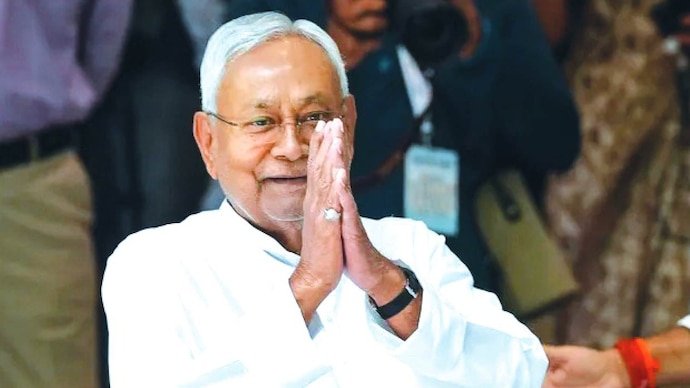
The Bihar government has announced a significant healthcare reform by banning private practice for doctors employed in government hospitals. The decision, led by Chief Minister Nitish Kumar, aims to improve the quality, accessibility, and accountability of public healthcare services across the state. The move is part of a broader strategy to ensure that government doctors dedicate their full time and expertise to patients in public hospitals.
A Policy Shift to Reform Public Healthcare
In a major policy shift, the Bihar government on Saturday declared that doctors working in government hospitals will no longer be allowed to engage in private practice alongside their official duties. The decision is intended to address long-standing concerns about divided attention, reduced availability of doctors in public facilities, and inconsistencies in patient care.
Announced under the state’s flagship development programme “Saat Nischay-3” for the 2025–2030 period, the reform reflects the government’s focus on strengthening healthcare delivery. By restricting private practice, authorities aim to ensure that doctors remain fully committed to their responsibilities within the Public health system.
Why Bihar Has Banned Private Practice
The decision stems from ongoing challenges faced by the public healthcare sector, where patients often struggle with limited access to doctors, long waiting times, and inconsistent service quality.
One of the key issues has been the dual practice model, where government doctors also run private clinics. This often results in reduced availability in public hospitals and raises concerns about fairness and prioritization of patients.
By implementing a complete ban, the Bihar government seeks to:
- Improve doctor availability in government hospitals
- Enhance quality of care for patients relying on public facilities
- Ensure accountability among medical professionals
- Reduce conflict of interest between public duty and private earnings
The move signals a clear intent to prioritize public health over private practice.
Part of ‘Saat Nischay-3’ Development Vision
The ban has been introduced under the “accessible health, secure life” component of the state’s ambitious “Saat Nischay-3” programme. This initiative outlines Bihar’s development roadmap for the next five years, with healthcare being a central focus.
According to the Health Department’s official notification, the policy is designed to strengthen the overall healthcare Infrastructure while ensuring that government resources are utilized effectively for public benefit.
“Under the resolution ‘accessible health, secure life’, the state has decided to prohibit private practice by government doctors.”
This approach reflects a broader governance strategy aimed at improving service delivery in essential sectors.
Implementation and Guidelines Yet to Be Finalised
While the announcement has been made, detailed guidelines for implementing and enforcing the ban are expected to be released soon. These guidelines will likely define monitoring mechanisms, compliance requirements, and penalties for violations.
Officials have indicated that the transition will be structured to avoid disruption in healthcare services while ensuring smooth adoption of the new policy.
Compensation Through Non-Practising Allowance (NPA)
Recognizing that many government doctors supplement their income through private practice, the state has proposed a compensation mechanism in the form of a Non-Practising Allowance (NPA).
This allowance is intended to offset the financial impact of the ban and encourage doctors to fully commit to their roles in public hospitals.
However, the final structure and approval of the NPA will depend on further administrative decisions and budgetary considerations.
| Policy Component | Details |
|---|---|
| Ban on Private Practice | Applies to all government doctors and faculty members |
| Objective | Improve public healthcare quality and doctor availability |
| Programme | Saat Nischay-3 (2025–2030) |
| Compensation | Non-Practising Allowance (NPA) under consideration |
| Guidelines | To be issued separately by Health Department |
Earlier Indications from Chief Minister Nitish Kumar
The policy did not come as a surprise to many observers. Chief Minister Nitish Kumar had earlier hinted at such a move during his “Samriddhi Yatra” in West Champaran district.
At the time, he emphasized the need for reforms aimed at strengthening healthcare infrastructure and ensuring better service delivery. The latest announcement appears to be a direct follow-up on those commitments.
Potential Impact on Healthcare System
If implemented effectively, the ban could bring significant improvements to Bihar’s public healthcare system. Patients may experience better access to doctors, reduced waiting times, and more consistent medical attention.
However, the success of the policy will depend on several factors, including:
- Effective enforcement of the ban
- Adequate compensation for doctors
- Improvement in hospital infrastructure
- Retention of skilled medical professionals
Balancing these elements will be crucial to achieving the intended outcomes.
Challenges and Considerations
While the policy aims to improve public healthcare, it may also face challenges. Some doctors may express concerns over income loss, especially in the absence of a clearly defined compensation structure.
Additionally, retaining experienced professionals in government service could become a challenge if financial incentives are not competitive.
The government will need to carefully manage these concerns to ensure smooth implementation and long-term success.
Conclusion: A Bold Step Toward Healthcare Reform
The Bihar government’s decision to ban private practice by government doctors marks a bold and potentially transformative step in public healthcare reform. By prioritizing full-time commitment and accountability, the policy aims to address critical gaps in service delivery.
While challenges remain, particularly around implementation and compensation, the move reflects a strong intent to improve healthcare access for millions of citizens. If executed effectively, it could serve as a model for other states seeking to strengthen their public health systems.
The coming months will be crucial in determining whether this policy translates into meaningful improvements on the ground or remains a well-intentioned reform facing practical hurdles.
For breaking news and live news updates, like us on Facebook or follow us on Twitter and Instagram. Read more on Latest India on thefoxdaily.com.






COMMENTS 0