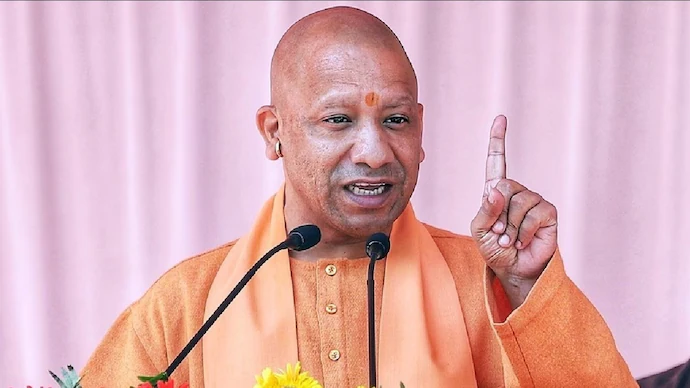
Uttar Pradesh Chief Minister Yogi Adityanath has proposed a new cultural initiative, One District, One Art, to preserve traditional art forms, support local artists and create sustainable livelihood opportunities across the state. Modelled on the government’s existing One District, One Product (ODOP) and One District, One Cuisine programmes, the proposal aims to identify the distinctive artistic traditions of every district and provide performers with regular platforms to showcase their talent.
Adityanath made the proposal on Friday while addressing a programme in Lucknow marking the 63rd foundation day of the Uttar Pradesh Sangeet Natak Akademi. He urged cultural academies and the Culture Department to work together to identify traditional music, theatre, folk performances and other art forms that represent different regions of Uttar Pradesh.
The proposed programme is intended to go beyond cultural preservation. The chief minister said traditional arts should become economically sustainable so that artists can earn a livelihood while passing their skills and knowledge to future generations.
What Is the One District, One Art Initiative?
One District, One Art is a proposed Uttar Pradesh government initiative that would focus on identifying and promoting art forms associated with individual districts. The approach would follow the model of ODOP, which highlights products with distinctive regional identities and connects them with wider markets.
Under the proposed framework, cultural academies would jointly identify the traditional art forms associated with each district. These could include folk music, classical traditions, theatre, dance, traditional instruments and regional performance styles.
Once identified, the art forms could receive greater institutional support and opportunities for public performances. The proposal also seeks to make it easier for local artists to reach audiences beyond their immediate communities.
Addressing the gathering, Adityanath asked cultural institutions to consider taking the One District, One Art programme forward on a priority basis, drawing a parallel with the state’s existing district-focused development initiatives.
However, the proposal is still at the announcement stage. Details such as the selection process for district-specific art forms, funding arrangements, artist registration and implementation timelines have not yet been outlined in the announcement.
How ODOP and One District, One Cuisine Inspired the Proposal
The chief minister referred to Uttar Pradesh’s One District, One Product programme as an example of how a district-based approach can help local industries gain recognition and expand their economic reach.
ODOP focuses on products associated with particular districts, including handicrafts, textiles, food products and other traditional industries. The programme aims to support artisans, improve market access and strengthen the identity of locally manufactured goods.
Adityanath said the initiative had helped Uttar Pradesh’s exports cross Rs 2 lakh crore and created employment opportunities for lakhs of young people, artisans and handicraft workers. He suggested that a similar strategy could help traditional art forms develop a stronger economic foundation.
He also highlighted the potential of One District, One Cuisine, which seeks to promote distinctive regional food traditions. Comparing the potential of food-related businesses with the scale of large global companies, he argued that local culinary traditions could support significant economic activity if developed effectively.
The proposed One District, One Art programme would apply this district-specific approach to culture. Instead of focusing on a physical product or cuisine, it would identify artistic traditions that carry the history and identity of different communities.
Uttar Pradesh’s Traditional Art Forms to Get Greater Recognition
Uttar Pradesh has a diverse cultural heritage, with different regions known for distinctive folk performances, musical traditions and classical music styles. Adityanath referred to several of these traditions while explaining why a district-focused cultural programme could be valuable.
Among the folk traditions he highlighted were Raslila and kirtan in the Braj region, Ramlila in Awadh, and Birha, Kajri and Sohar in Purvanchal. He also mentioned Alha and Rai, which are associated with the Bundelkhand region.
These traditions represent different forms of cultural expression. Some are connected with religious storytelling and devotional practices, while others reflect regional histories, community celebrations, agricultural life and oral storytelling.
Raslila, for example, draws on stories associated with Lord Krishna and the Braj region. Ramlila brings episodes from the Ramayana to audiences through theatrical performances, while folk traditions such as Birha and Kajri have long been part of the musical culture of eastern Uttar Pradesh.
Alha is known for its narrative singing tradition, while Rai is associated with the folk performance culture of Bundelkhand. Their continued practice depends on performers, local audiences and opportunities to pass traditional knowledge between generations.
By identifying such traditions district by district, the proposed initiative could help cultural institutions document regional art forms and give performers greater visibility.
Classical Music Gharanas Also Part of Uttar Pradesh’s Cultural Identity
Adityanath also highlighted the contribution of Uttar Pradesh’s classical music traditions and gharanas to India’s wider musical heritage. He referred to the musical styles associated with Lucknow, Banaras, Agra, Kairana, Etawah and Rampur-Sahaswan.
These gharanas represent distinctive approaches to classical music, shaped over generations by teachers, performers and musical communities. Their traditions have contributed to the development and transmission of Hindustani classical music.
Recognising these traditions under a wider cultural programme could help connect established classical institutions with emerging performers. It could also encourage greater public awareness of the musical histories associated with different parts of the state.
The chief minister emphasised that traditional Indian music has a role beyond entertainment. He said it can provide a medium for people seeking mental peace and a deeper connection with spiritual practice.
His remarks placed classical and traditional music within the broader cultural objectives of the proposed initiative, which seeks to protect artistic knowledge while making it relevant to contemporary audiences.
Weekly Public Performances Proposed to Support Local Artists
One of the practical suggestions made by Adityanath was to encourage artists to gather at suitable public locations and perform regularly. He proposed that performances should take place at least once a week, if not every day.
Regular performances could provide artists with opportunities to reach audiences outside festivals and special cultural events. They could also help younger performers develop confidence, gain public recognition and connect with established practitioners.
The chief minister asked the Culture Department to support such arrangements and identify locations with adequate space. He stressed that performances should be organised without creating traffic problems or disrupting public movement.
This approach could make cultural performances a more visible part of everyday public life. Parks, open spaces and suitable public venues could potentially serve as locations for performances, subject to the government’s final arrangements and local requirements.
For traditional artists, regular opportunities to perform can be important because many regional art forms depend on live audiences and direct interaction between performers and communities. A consistent programme could also help create demand for performances and encourage younger people to learn traditional skills.
Why Traditional Art Forms Need Economic Support
Adityanath warned that several folk art forms, traditional musical instruments and cultural practices had remained neglected despite the passage of decades since Independence. He said many had gradually lost their identity because they lacked encouragement and suitable platforms.
The decline of a traditional art form can involve more than the disappearance of a particular performance style. It may also mean the loss of specialised instruments, regional vocabulary, storytelling methods and knowledge passed down through families and teachers.
When fewer young people learn these traditions, the number of practitioners can shrink. Artists may also find it difficult to earn a stable income from performances, particularly when opportunities are limited to occasional festivals or community events.
The proposed One District, One Art initiative seeks to address this challenge by linking cultural preservation with livelihood generation. Giving artists regular platforms could help them build audiences, while greater recognition may create opportunities for cultural events, training programmes and other forms of economic activity.
However, the long-term success of such a programme would depend on more than identifying an art form for each district. Artists would need reliable performance opportunities, fair payment, access to training and support for the transmission of traditional knowledge.
Technology and Artificial Intelligence to Help Young Artists Reach Global Audiences
Adityanath encouraged young performers to use technology, digital media and artificial intelligence to experiment with their work and introduce their talent to audiences around the world.
Digital platforms have created new ways for musicians, dancers and theatre performers to distribute their work. Recordings of regional performances can reach audiences who may not have access to live cultural events. Social media can also help emerging artists build a following and connect with organisers, institutions and potential collaborators.
Artificial intelligence and digital production tools could offer additional possibilities for recording, editing, promoting and presenting performances. However, their use would need to respect the cultural context and traditional knowledge behind the art forms.
The chief minister cautioned young performers against losing touch with their cultural roots while adopting modern technology. He urged them to remember their regional folk music, the teachings of their gurus and the traditions associated with their communities.
His message reflected an approach in which technology is treated as a tool for expanding the reach of traditional arts rather than replacing their original forms.
Government Support for Senior and Emerging Artists
During the programme, Adityanath said the state government was working to honour senior artists, protect folk traditions and provide opportunities to emerging performers.
Recognising senior artists can help acknowledge their contribution to preserving cultural knowledge. Many traditional art forms depend on experienced performers who carry specialised skills, musical techniques and stories that may not be documented in formal records.
Creating opportunities for younger performers is equally important. Training, mentoring and public performance platforms can help ensure that traditional practices are not limited to a small number of ageing practitioners.
The chief minister also appreciated a presentation by young performers who used endangered traditional musical instruments at the event. The performance highlighted the importance of keeping traditional instruments and their associated musical techniques in active use.
The programme was attended by Uttar Pradesh Sangeet Natak Akademi Chairman Jayant Khot, state government adviser Avanish Awasthi and Additional Chief Secretary for Tourism and Culture Amrit Abhijat, among others.
Challenges in Implementing One District, One Art
Although the proposal aims to give traditional artists greater recognition, its implementation will involve several practical challenges. Identifying a single representative art form for every district may require consultation with local artists, cultural organisations, historians and communities.
Many traditions are shared across district boundaries, while some districts have several important artistic practices. A selection process would therefore need to recognise cultural diversity rather than restrict support to only one tradition where multiple art forms have historical significance.
Funding will also be important. Regular performances require suitable venues, sound arrangements, artist payments, promotion and administrative coordination. Without consistent financial support, public performance programmes may struggle to continue beyond their initial launch.
Another challenge is ensuring that the benefits reach traditional performers themselves. Recognition of an art form does not automatically improve an artist’s income. Transparent selection procedures, fair remuneration and direct engagement with practitioners would be important for making the initiative economically meaningful.
Documentation and training could also play a role. Recording traditional performances, supporting apprenticeships and creating opportunities for senior artists to teach younger generations may help preserve knowledge that is at risk of disappearing.
How One District, One Art Could Benefit Uttar Pradesh
If implemented with sustained support, One District, One Art could create benefits for cultural preservation, tourism and local employment. A stronger identity for district-specific traditions may encourage cultural organisations to organise festivals, workshops and performances that attract visitors.
Artists could benefit from additional opportunities to perform, teach and collaborate. Traditional instrument makers, costume designers, stage workers and other people involved in cultural production may also find opportunities as performance activity expands.
The programme could further help schools, colleges and cultural institutions introduce students to regional art forms. Greater exposure at an early age may encourage more young people to learn traditional music, dance and theatre.
However, these outcomes would depend on the final design of the initiative and the resources allocated to it. The proposal has not yet established specific employment targets, funding commitments or implementation deadlines.
One District, One Art: Key Highlights
- New proposal: Uttar Pradesh Chief Minister Yogi Adityanath has proposed One District, One Art to promote traditional art forms across the state.
- Model: The initiative would follow the district-focused approach of One District, One Product and One District, One Cuisine.
- Art forms: The proposal covers traditional music, theatre, folk performances, classical music and regional cultural practices.
- Regular platforms: Artists could be encouraged to perform at suitable public locations at least once a week.
- Livelihood opportunities: The programme aims to make traditional arts sustainable sources of income and cultural identity.
- Technology: Young artists have been encouraged to use digital media and artificial intelligence while preserving their cultural roots.
Conclusion
Yogi Adityanath’s proposed One District, One Art initiative seeks to bring Uttar Pradesh’s traditional cultural heritage into a wider public and economic framework. By identifying district-specific art forms, supporting regular performances and encouraging young artists to use modern technology, the government aims to preserve traditions while creating opportunities for performers.
The proposal builds on the district-based approach used in ODOP and One District, One Cuisine, but its success will depend on how effectively cultural institutions work with local communities and artists. Clear funding arrangements, fair opportunities, training and sustained public engagement will be essential if traditional art forms are to remain active and provide livelihoods for future generations.
For breaking news and live news updates, like us on Facebook or follow us on Twitter and Instagram. Read more on Latest India on thefoxdaily.com.






COMMENTS 0