In a politically significant move, the punjab government will present its fifth Budget on March 8 — a date that coincides with International Women’s Day this year. The unusual scheduling of a Vidhan Sabha session on a Sunday has triggered widespread speculation that a major announcement concerning women’s welfare could headline the financial roadmap.
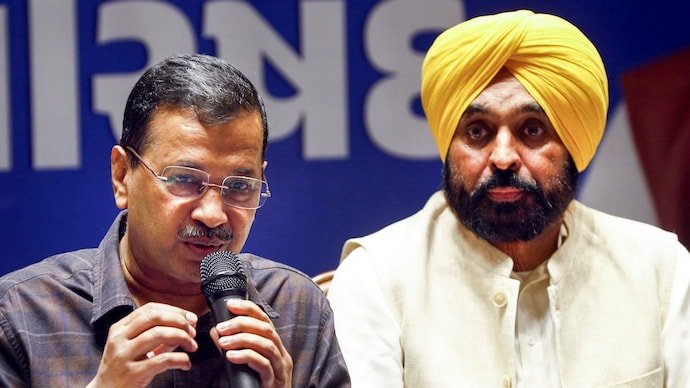
Punjab Chief Minister Bhagwant Mann confirmed that the Budget will be tabled before the state Legislative Assembly on March 8. He made the announcement while visiting Gujarat alongside AAP National Convenor Arvind Kejriwal. The timing has intensified discussions around the long-pending promise of providing Rs 1,000 per month to every woman in Punjab above the age of 18.
Given the symbolic importance of International Women’s Day, political observers believe the government may use the occasion to address one of its most high-profile electoral commitments.
A “Pro-People” Budget, Says Chief Minister
Addressing the media, Mann reiterated that the upcoming Budget would remain citizen-centric and welfare-driven.
“The Punjab Government will continue its tradition of presenting a pro-people Budget that prioritizes the welfare of every section of society. Our only objective is to safeguard the interests of the common citizen, and we are working tirelessly in that direction. The people of Punjab will once again benefit greatly from this Budget,” he stated.
However, while the Chief Minister emphasized inclusive growth, he stopped short of confirming whether the Rs 1,000 monthly assistance scheme would be formally rolled out.
Background: The Rs 1,000 Per Month Promise
The commitment was first announced in November 2021 during the ‘Mission Punjab’ rally in Moga, ahead of the 2022 Assembly Elections. At the time, Arvind Kejriwal pledged that if the Aam Aadmi Party formed the government, every woman in Punjab aged 18 and above would receive Rs 1,000 per month directly in her bank account.
The promise played a significant role in shaping the party’s outreach strategy, particularly among women voters. Now, more than four years later, as the AAP government prepares to present its final full Budget before the 2027 Assembly Elections, questions persist over the implementation timeline and fiscal structure of the scheme.
Political analysts note that fulfilling the pledge on International Women’s Day could carry both symbolic and electoral weight.
Financial Viability and Fiscal Constraints
While the proposal remains politically attractive, its financial implications are substantial. Punjab’s projected debt currently stands at approximately Rs 5 lakh crore, raising concerns about the sustainability of large-scale welfare disbursements.
The ruling AAP has frequently alleged that the BJP-led Central government has withheld certain funds, affecting the state’s fiscal flexibility. Meanwhile, the Centre has sought greater clarity on how previous allocations have been utilized.
According to a senior government official who spoke on condition of anonymity, the annual cost of implementing the Rs 1,000 scheme could range between Rs 6,000 crore and Rs 10,000 crore, depending on eligibility criteria and coverage levels. If the scheme is optional or restricted to specific income groups, the expenditure may remain on the lower end. However, universal coverage for all eligible women could significantly raise the financial burden.
Sources suggest that the Finance Department is evaluating a staggered or monthly disbursement model instead of releasing lump-sum payments, in order to avoid additional interest strain on the state exchequer.
Political Stakes Ahead of 2027 Elections
The decision to schedule the Budget on International Women’s Day has heightened political anticipation. Whether the government announces a full rollout, a phased implementation, or a modified version of the Rs 1,000 assistance scheme could shape public perception ahead of the 2027 Assembly polls.
For the ruling party, fulfilling the promise would reinforce its pro-welfare credentials. For the Opposition, any delay or scaled-back version may become a focal point of criticism in the run-up to elections.
As Punjab awaits the March 8 Budget presentation, the spotlight remains firmly on whether symbolism will translate into policy action — and whether the long-awaited Rs 1,000 pledge will move from political promise to fiscal reality.
The upcoming Budget is therefore not just a financial statement, but a defining moment in Punjab’s political and economic narrative.
For breaking news and live news updates, like us on Facebook or follow us on Twitter and Instagram. Read more on Latest India on thefoxdaily.com.




COMMENTS 0