- The Sathankulam Custodial Death Case: What Happened?
- Revathi’s Turning Point: From Witness to Whistleblower
- Inside the Police Station: Revathi’s Account of Brutality
- Facing Threats and Intimidation
- Legal Proceedings and Conviction
- Protection and Support for Revathi
- Broader Impact: A Case That Shook the System
- Conclusion: Courage That Changed the Course of Justice
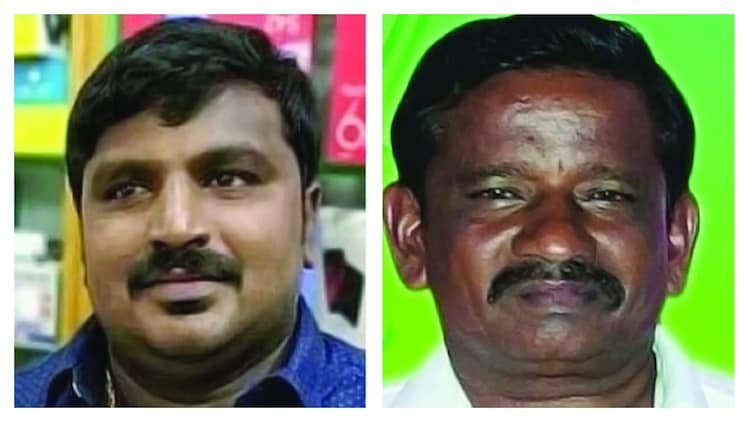
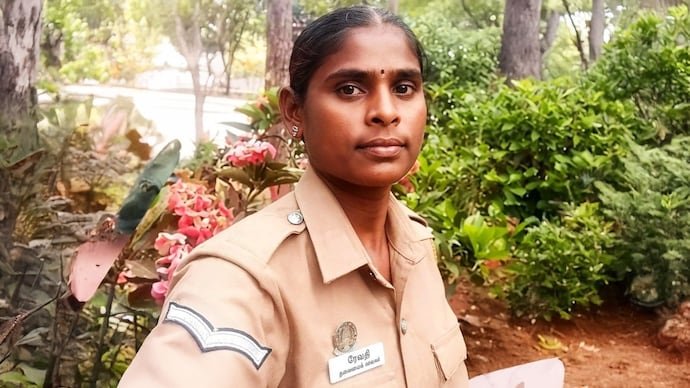
In a landmark judgment five years after the shocking custodial deaths of a father and son in Tamil Nadu, nine police personnel have been convicted and awarded the death penalty. At the heart of this case lies the extraordinary courage of Head Constable Revathi, whose testimony proved crucial in securing justice. The incident, which took place in June 2020 at the Sathankulam police station in Thoothukudi district, involved the brutal torture of P Jayaraj and his son J Bennix, detained for allegedly violating COVID-19 restrictions. Revathi’s decision to speak out—despite threats, fear, and institutional pressure—played a pivotal role in exposing the truth.
The Sathankulam Custodial Death Case: What Happened?
The case dates back to June 2020, during the nationwide Covid-19 lockdown. Jayaraj and Bennix, who ran a mobile phone shop, were taken into custody for keeping their store open beyond permitted hours.
What followed was a night of alleged brutality inside the police station—an incident that would later trigger outrage across India.
Sequence of Events
- Detention: Father and son taken into custody for Covid norm violation
- Custody: Held overnight at Sathankulam police station
- Alleged torture: Severe physical assault by police personnel
- Judicial remand: Both sent to custody despite visible injuries
- Deaths: Both died within days, sparking nationwide protests
The incident quickly became a symbol of custodial violence in India, drawing comparisons to global cases of Police Brutality and raising serious questions about accountability within law enforcement.
Revathi’s Turning Point: From Witness to Whistleblower
At the time of the incident, Head Constable Revathi was on duty at the police station. As a relatively junior officer, she found herself in a deeply challenging position—caught between institutional loyalty and moral responsibility.
In a system where it is rare for officers to testify against colleagues, her decision to turn approver marked a turning point in the case.
“SIR, I will tell you everything, every detail, the truth that is being hidden. But I am the mother of two young girls. Can you guarantee the safety of my children and my job?”
This statement, made before Judicial Magistrate MS Bharathidasan, captured both her courage and her fear—a human moment in an otherwise grim narrative.
Why Her Testimony Was Crucial
- Eyewitness account: Provided a detailed, first-hand narrative
- Identification: Named officers seen in CCTV Footage
- Timeline clarity: Reconstructed events minute by minute
- Corroboration: Supported medical and forensic findings
Without such direct testimony, establishing accountability in custodial cases is often extremely difficult.
Inside the Police Station: Revathi’s Account of Brutality
Revathi’s testimony painted a disturbing picture of what transpired that night. She described hearing screams and pleas for mercy as she arrived at the station.
“I arrived at the station around 8.50 pm… the sound of someone screaming and weeping could be heard, crying out, ‘Amma, it hurts! Let me go!’”
According to her account, the victims were subjected to relentless physical assault. She described how officers used whatever objects were available to beat them and inflicted severe injuries.
The testimony also highlighted moments that underscored the inhumanity of the situation—pauses in violence not for restraint, but for casual breaks, even as the victims suffered.
Key Details from Her Testimony
- Victims were beaten repeatedly and sustained severe injuries
- They were stripped and restrained during the assault
- Officers allegedly used excessive force without provocation
- Victims were in visible distress and semi-conscious at times
At one point, unable to bear witnessing the brutality, Revathi left the room. Yet she returned to document and later recount what she had seen—an act that would ultimately help deliver justice.
Facing Threats and Intimidation
Revathi’s decision to speak out came at a significant personal cost. She faced threats, intimidation, and pressure from within the police force.
During the judicial inquiry, the Environment was so hostile that additional Security had to be deployed to ensure proceedings could continue.
Challenges She Faced
- Peer pressure: Colleagues urging silence
- Threats: Concerns for her safety and family
- Hostile environment: Disruptions during inquiry
- Fear of retaliation: Risk to career and livelihood
The magistrate’s report noted that police personnel gathered outside the station, attempting to intimidate witnesses and even court staff.
Initially hesitant to sign her statement due to safety concerns, Revathi eventually did so after receiving assurances of protection.
Legal Proceedings and Conviction
Revathi’s testimony became a cornerstone of the prosecution’s case. Combined with forensic evidence, CCTV footage, and medical reports, it helped establish a clear chain of events.
The court ultimately found nine police personnel guilty, awarding them the death penalty—a rare and severe punishment in custodial death cases.
Key Factors Leading to Conviction
| Factor | Role in Case |
|---|---|
| Eyewitness testimony | Provided direct evidence of events |
| CCTV footage | Confirmed presence of accused |
| Medical reports | Documented injuries consistent with torture |
| Judicial inquiry | Ensured independent investigation |
The verdict has been widely seen as a significant step toward accountability in cases of custodial violence.
Protection and Support for Revathi
Recognizing the risks she faced, authorities provided protection to Revathi and her family. Following directions from the Madras High Court, security personnel were assigned to ensure her safety.
In a notable moment, judges from the High Court directly spoke to her during a hearing, offering reassurance and support.
Despite this, Revathi remained cautious about public exposure, expressing concerns about potential harassment from senior officials.
Broader Impact: A Case That Shook the System
The Sathankulam custodial death case had far-reaching implications beyond the courtroom. It sparked nationwide outrage, renewed calls for police reforms, and brought attention to systemic issues within law enforcement.
Key Outcomes
- Public awareness: Increased scrutiny of custodial practices
- Judicial action: Strong message on accountability
- Institutional reflection: Calls for police reforms
The case also highlighted the critical role of whistleblowers in ensuring justice—especially in environments where silence is often the norm.
Conclusion: Courage That Changed the Course of Justice
The conviction of nine police personnel in the Sathankulam custodial death case marks a significant moment in India’s legal and social landscape. While the verdict delivers a measure of justice for the victims, it also underscores the importance of individual courage in the pursuit of truth.
Head Constable Revathi’s testimony stands as a powerful reminder that even within rigid systems, one voice can make a difference. Her decision to speak out—despite fear and pressure not only exposed wrongdoing but also helped set a precedent for accountability.
Looking ahead, the case may serve as a catalyst for deeper reforms in policing and judicial processes. More importantly, it reinforces a simple yet profound idea: justice often begins with the courage to tell the truth.
For breaking news and live news updates, like us on Facebook or follow us on Twitter and Instagram. Read more on Latest India on thefoxdaily.com.






COMMENTS 0