Clippers punishment has become one of the biggest sports-business stories after the NBA concluded its investigation into business dealings involving Kawhi Leonard, the Los Angeles Clippers and Aspiration. The league imposed severe penalties that include the loss of five future first-round picks, a major fine and suspension for owner Steve Ballmer, disciplinary action against senior executives and a fine for Leonard.
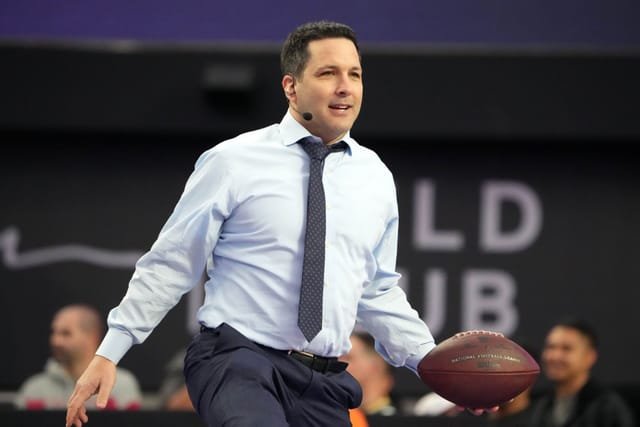
The scale of the punishment immediately attracted attention beyond basketball. NFL insider Adam Schefter pointed out that no NFL team has ever been stripped of more than one first-round draft pick as part of a league disciplinary measure.
That comparison puts the Clippers’ punishment into perspective. Losing five first-round selections is not simply a short-term financial penalty. Draft picks represent future roster-building opportunities, and surrendering five consecutive selections can affect an organization’s ability to develop young talent, make trades and maintain flexibility for years.
The NBA’s decision therefore creates a much bigger question than what happens to the Clippers today: how will such a substantial loss of draft capital affect the franchise’s competitive future?
What Happened to the Clippers?
The NBA announced the conclusion of its investigation on Wednesday after examining business transactions connected to Leonard and the Clippers. A major part of the investigation centered on alleged “no-show” endorsement arrangements involving Aspiration and other companies.
The league’s disciplinary measures were extensive.
- The Clippers were stripped of five first-round picks covering the 2029 through 2033 drafts.
- The franchise was placed under a five-year compliance and monitoring program.
- Steve Ballmer was fined $30 million and suspended from league and team activities for 12 months.
- Lawrence Frank was suspended without pay for six months.
- Gillian Zucker was suspended without pay for 12 months.
- Kawhi Leonard was fined $700,000.
- Dennis Robertson, Leonard’s uncle and manager, was banned from conducting business with NBA teams and their affiliates for five years.
The combination of penalties shows that the NBA treated the matter as more than an isolated transaction. The league’s response targeted ownership, basketball operations, business operations, the player involved and the player’s representative.
Why Losing Five First-Round Picks Is Such a Massive Penalty
First-round draft selections are among the most valuable long-term assets in professional sports.
Unlike cash, draft picks cannot simply be replaced by writing another check. They provide teams with opportunities to select young players on controlled contracts, discover future stars and build depth around established veterans.
The Clippers’ punishment removes five such opportunities.
More importantly, the selections are consecutive: 2029, 2030, 2031, 2032 and 2033. That means the consequences can extend across multiple roster cycles.
A team can recover from losing one draft pick. Losing five changes the way an organization must operate.
The Clippers may have to rely more heavily on free agency, trades, player development and scouting outside the first round. They will also have fewer premium assets available if they want to trade for another established star.
Adam Schefter’s NFL Comparison Explains the Scale
Adam Schefter provided an unusual comparison from the NFL world following the NBA announcement.
His observation was that no NFL team had ever been stripped of more than one first-round draft pick in a disciplinary measure from the league.
That does not mean the NBA and NFL disciplinary systems are identical. They operate under different rules, competitive structures and collective bargaining frameworks. However, the comparison demonstrates why the Clippers’ punishment immediately stood out across American professional sports.
The key issue is not simply the number five. It is the long-term value represented by five first-round selections.
NFL History Shows How Rare First-Round Pick Penalties Are
There have been only a small number of occasions when NFL teams have lost first-round picks as league discipline.
The New England Patriots account for two prominent examples. The franchise lost a first-round selection following the 2008 Spygate punishment and another following the Deflategate controversy in 2016. The latter case also involved the loss of a fourth-round pick in the following draft.
The Miami Dolphins were the most recent NFL team to receive a first-round draft-pick penalty. In 2023, Miami was disciplined over impermissible communications involving Tom Brady and his agent Don Yee, as well as former New Orleans Saints head coach Sean Payton.
The Dolphins also lost a future third-round pick as part of that punishment.
Against that historical background, five first-round selections in one NBA disciplinary decision looks particularly extraordinary.
The Real Cost May Be Bigger Than Five Draft Picks
The headline figure is easy to understand: five first-round picks.
The more complicated issue is the opportunity cost.
A first-round selection can become a productive starter, a star player or a valuable trade asset. Even when a pick does not become a superstar, it can provide affordable depth that allows a team to spend money elsewhere.
By losing five picks, the Clippers lose multiple opportunities to benefit from the NBA’s draft system.
That could affect three major areas.
Roster Development
The Clippers will have fewer chances to add young players through the first round. This can make roster development more dependent on scouting later in the draft, undrafted players and external acquisitions.
Trade Flexibility
Draft selections are frequently used as trade currency. A team with multiple first-round picks can package them to pursue established talent.
The Clippers will have significantly less flexibility in that area because five future selections have been removed from their control.
Long-Term Planning
The punishment extends into the early 2030s. That makes it difficult to view the penalty as something the current roster can simply absorb.
Future front offices will have to operate with the consequences of decisions made years earlier.
Steve Ballmer’s $30 Million Fine Adds Another Dimension
The punishment against Clippers owner Steve Ballmer is also significant.
Ballmer was fined $30 million and suspended from all league and team activities for one year. The suspension means the consequences are not limited to the organization’s draft capital or finances.
Ownership is ultimately responsible for maintaining a compliant organization, making a suspension of the owner an especially serious disciplinary measure.
The financial penalty is also substantial. However, compared with the loss of five first-round picks, the draft penalty may prove more consequential to the franchise’s competitive future.
Executives Also Face Suspensions
The NBA’s decision also targeted two senior Clippers executives.
Lawrence Frank, president of basketball operations, received a six-month suspension without pay, while Gillian Zucker, president of business operations, received a 12-month suspension without pay.
The difference in suspension lengths reflects the league’s individual assessment of their roles in the matter.
For the Clippers, the timing creates another challenge because organizational stability is particularly important after a major league investigation.
Kawhi Leonard’s Fine and Dennis Robertson’s Ban
Kawhi Leonard was fined $700,000, while his uncle and manager Dennis Robertson was banned from conducting business or engaging with NBA teams and their affiliates for five years.
The distinction is important because the NBA did not impose identical penalties on every person connected to the investigation.
The league’s response therefore appears to have been structured around each individual’s involvement and responsibilities rather than treating everyone in the same way.
Why the Compliance Program Matters
Another important part of the Clippers punishment is the five-year compliance and monitoring program.
This could prove just as important operationally as the draft penalties because it places the franchise under increased scrutiny.
For an organization, compliance is not merely paperwork. It can require stronger internal controls, clearer reporting procedures and greater oversight of business relationships and transactions.
The program also sends a message to other teams that league rules governing player-related business arrangements are not simply guidelines.
The Broader Impact on NBA Teams
The Clippers case could influence how NBA organizations approach endorsement arrangements, player representatives and outside business relationships.
Teams may become more cautious about arrangements involving players and companies that have financial relationships with the organization or its ownership group.
That could lead to more internal reviews before deals are finalized. Organizations may also strengthen compliance departments and require additional documentation around unusual commercial arrangements.
In that sense, the punishment could have an impact beyond Los Angeles.
Comparison: Clippers Penalty vs Notable NFL Draft Punishments
| Team | League | Draft Penalty | Key Context |
|---|---|---|---|
| Los Angeles Clippers | NBA | Five first-round picks | 2029–2033 selections following the NBA investigation |
| New England Patriots | NFL | One first-round pick | Spygate punishment in 2008 |
| New England Patriots | NFL | One first-round pick plus fourth-round pick | Deflategate punishment in 2016 |
| Miami Dolphins | NFL | One first-round pick plus third-round pick | 2023 disciplinary action |
The comparison makes one point particularly clear: the Clippers’ five-pick penalty is an unusually large removal of future draft capital when compared with notable NFL disciplinary cases.
The Clippers Now Face a Different Kind of Team-Building Challenge
The Clippers have historically operated with an aggressive approach to acquiring established talent. But losing five future first-round selections changes the value of that strategy.
Without those picks, the franchise has less insurance against an aging roster or an unsuccessful veteran-heavy strategy.
Young players selected in the first round can provide affordable talent while established stars consume significant portions of a salary structure. Removing those selections potentially makes roster construction more expensive and complicated.
The organization may therefore need to place greater emphasis on scouting, development and finding value in later rounds and other talent markets.
A Long-Term Risk: What Happens If the Current Window Closes?
This is arguably the biggest competitive concern created by the punishment.
A championship-oriented team can accept significant future costs if it wins immediately. But if the current competitive window closes before the franchise can replace its core, the absence of first-round picks becomes much more painful.
Normally, rebuilding teams can use high draft selections to acquire young talent and restart their roster. The Clippers will have fewer opportunities to do that during the years covered by the punishment.
That means the franchise may have to be particularly careful with future roster decisions.
Prediction: The Clippers’ Front Office Will Need to Become Even More Asset-Conscious
The most likely long-term consequence is a greater emphasis on protecting whatever assets remain available.
Every future trade, contract and roster decision could carry additional importance because the team cannot rely on five first-round selections as future building blocks.
The Clippers can still compete through smart drafting with remaining selections, free-agent signings, player development and trades. But the margin for error is smaller.
In simple terms, the punishment does not make future success impossible. It makes inefficient team-building much more expensive.
Adam Schefter’s Cowboys Comments Offer a Different NFL Story
While Schefter’s reaction to the Clippers punishment attracted attention, the NFL insider also discussed the Dallas Cowboys’ 2026 offseason.
Schefter described the Cowboys’ summer as peaceful and productive while expressing confidence that Dallas could make noise during the season.
The Cowboys had added players including edge rusher Rashan Gary and veteran pass rusher Von Miller, while also retaining important pieces such as running back Javonte Williams, defensive tackle Quinnen Williams and kicker Brandon Aubrey. Wide receiver George Pickens was also on the franchise tag.
Dallas is scheduled to open its season against the New York Giants on September 13.
The contrast is interesting: while the Clippers face a major long-term organizational penalty, the Cowboys entered the NFL season with their offseason described as relatively stable.
Why This Story Matters Beyond Basketball
The Clippers investigation is ultimately a story about the increasing importance of governance in professional sports.
Modern sports organizations are enormous businesses involving players, owners, sponsors, agents, executives and commercial partners. The relationships between those groups can create complicated financial structures, making transparent rules and effective oversight increasingly important.
The NBA’s response demonstrates that disciplinary consequences can reach far beyond a fine. Draft capital, executive positions, ownership privileges and business relationships can all be affected.
For other franchises, the lesson is straightforward: compliance systems are not merely administrative departments. They can protect an organization’s most valuable competitive assets.
Conclusion: The Clippers Punishment Could Shape the Franchise for Years
The Clippers punishment represents an extraordinary moment in professional sports discipline. The loss of five first-round picks from 2029 through 2033, combined with Steve Ballmer’s $30 million fine and suspension, executive suspensions, Leonard’s fine and Dennis Robertson’s five-year ban, creates consequences that could extend well beyond the immediate controversy.
Adam Schefter’s NFL comparison highlights just how unusual the draft-pick penalty is. NFL teams have previously lost first-round selections as discipline, but no NFL team has been stripped of more than one first-round pick in a single disciplinary measure.
For the Clippers, the biggest challenge now is not simply absorbing the punishment. It is building a successful roster without the five future first-round assets that could otherwise have helped shape the franchise’s next era.
The organization can still compete, but the road ahead has become considerably less forgiving. Every draft choice, trade, contract and development decision will carry greater weight—and that may ultimately become the lasting legacy of the NBA’s decision.
For breaking news and live news updates, like us on Facebook or follow us on Twitter and Instagram. Read more on Latest NFL on thefoxdaily.com.



COMMENTS 0