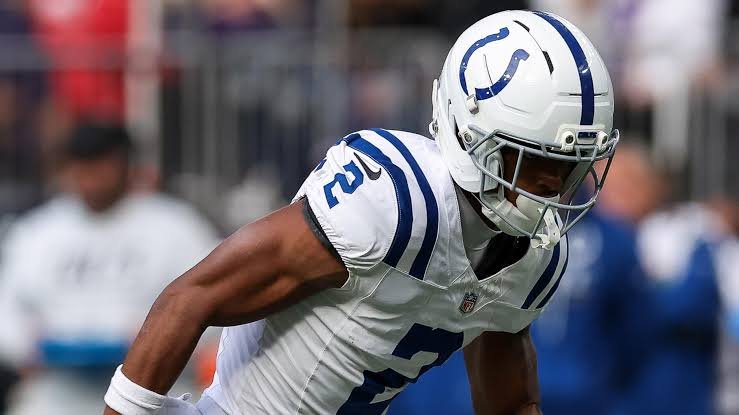
The Indianapolis Colts are facing growing uncertainty as the NFL trade deadline approaches, with wide receiver Josh Downs reportedly requesting a trade and star running back Jonathan Taylor attracting interest from other teams. The developments follow Indianapolis’ decision to trade two established players, guard Quenton Nelson and defensive tackle DeForest Buckner, on October 27, 2026.
A source told ESPN’s Jeremy Fowler that Downs, a fourth-year receiver entering the final season of his rookie contract, had requested a trade. Downs did not directly confirm the reported request when speaking to reporters on Wednesday, but said he was open to whatever came next.
Meanwhile, Taylor’s situation remains unresolved. Colts head coach Shane Steichen told reporters Wednesday that the running back had not requested a trade. Steichen also emphasized that Taylor remained part of the team despite speculation about his future and reported interest from multiple franchises.
The contrasting situations highlight the uncertainty surrounding Indianapolis. Downs is reportedly seeking an opportunity elsewhere, while Taylor has not formally asked to leave. With the Colts holding a 2-5 record in the supplied report and the November 10 trade deadline approaching, the team’s next decisions could shape both its remaining season and its longer-term roster plans.
Josh Downs Trade Request Adds to the Colts’ Uncertainty
Downs’ reported trade request comes during a difficult stretch for an Indianapolis offense dealing with personnel changes and inconsistent production. The 25-year-old receiver has played an increasingly important role as the team has dealt with the absence of fellow wideout Alec Pierce and uneven quarterback play from Daniel Jones.
Through the seven games covered in the report, Downs had recorded 26 receptions for 307 yards without a touchdown. His catch rate stood at 56.5%, a career low, reflecting a season in which converting opportunities into completed passes had become more challenging.
Those numbers provide context for the trade speculation, although they do not establish why Downs reportedly wants to leave. The receiver has not publicly explained his reasons for requesting a move in the supplied material, so it would be premature to attribute the reported decision to his statistics, contract situation or dissatisfaction with the organization.
Defensive attention has made the receiving role more difficult
One factor affecting Downs’ production is the attention he has received from opposing defenses. With Pierce unavailable, Indianapolis has had fewer established receiving threats to distribute defensive coverage. As a result, Downs has frequently encountered a second defender in his area, according to the report.
Additional coverage can make it harder for a receiver to find open space, particularly on routes that require precise timing between the receiver and quarterback. When a defense can concentrate on a limited number of targets, it can reduce the opportunities available to the offense without necessarily eliminating any single player’s ability to contribute.
That context matters when evaluating Downs’ season. His reception total and catch rate indicate that production has been limited, but those statistics alone cannot explain every missed connection or establish how much responsibility belongs to the receiver, quarterback or surrounding offense.
For Indianapolis, the broader concern is how to maintain a functioning passing game while important players are unavailable or potentially on their way out. Losing another receiver would create an additional roster question at a time when the team has already traded major contributors at other positions.
Downs keeps his public comments focused on the present
When asked about his status following the trades of Nelson and Buckner, Downs avoided making a definitive public statement about his future. He said he was open to whatever came his way and would deal with the situation as it developed.
He also stressed that he was still with the Colts and preparing for the upcoming game against the Jacksonville Jaguars. His comments suggested that, regardless of the trade speculation, his immediate responsibility remained preparation for the next contest.
There is an important distinction between a reported trade request and a completed transaction. A player can express a desire to leave without a trade being agreed upon, and a team is not obligated to accept an offer simply because a player reportedly wants a change.
Any potential move involving Downs would therefore depend on the Colts’ decisions, interest from other teams and the terms of a possible deal. The supplied report does not identify a confirmed trade partner or disclose a proposed return for the receiver.
Jonathan Taylor Has Not Requested a Trade, Says Shane Steichen
While Downs’ reported request has become a major talking point, Taylor’s situation is different. Several teams have reportedly expressed interest in the Indianapolis running back, but Steichen said Wednesday that Taylor had not requested a trade.
Asked directly whether Taylor had asked to be traded, Steichen answered, “no.” The coach also described the speculation surrounding the running back as hypothetical and emphasized that Taylor remained on the Colts’ roster.
That statement addresses one specific question: whether Taylor had formally requested a trade, according to his head coach. It does not settle whether Indianapolis might consider moving him before the deadline or whether another team could make an offer attractive enough to change the organization’s position.
Steichen’s comments also demonstrate why trade rumors should not be treated as confirmed transactions. Reported interest from other teams is not the same as an official offer, and a player’s presence on the roster does not guarantee that the player will remain there through the deadline.
Why other teams could be interested in Taylor
Taylor is a prominent offensive player whose role extends beyond the basic rushing statistics associated with his position. A productive running back can give an offense another way to move the ball, help sustain drives and reduce its dependence on passing plays in particular situations.
For a team pursuing a postseason run, adding an established running back could address an immediate roster need. For Indianapolis, however, the decision would involve weighing any potential trade return against the value of retaining a central offensive contributor.
Those competing considerations help explain why interest in Taylor could become an important issue before November 10. Other teams may see an opportunity to strengthen their backfields, while the Colts must decide whether a trade would support their own objectives.
Nevertheless, the available information does not establish that Indianapolis has decided to trade Taylor. Nor does the report identify a finalized offer or a confirmed destination. Until the team announces a move, his future remains uncertain rather than settled.
Quenton Nelson and DeForest Buckner Trades Signal a Major Roster Shift
The uncertainty surrounding Downs and Taylor follows two significant Indianapolis transactions on October 27. The Colts traded Nelson to the Seattle Seahawks and Buckner to the San Francisco 49ers, receiving future draft selections in return.
According to the Colts’ official transaction announcements, Indianapolis received a third-round selection in the 2027 NFL Draft and a fifth-round selection in 2028 for Nelson. The Buckner trade brought a fourth-round selection in the 2027 draft from San Francisco.
These transactions are significant because Nelson and Buckner were established contributors at two important positions. Nelson anchored the offensive line, while Buckner was a key presence on the defensive front. Moving both players in the same day changes the personnel available to the coaching staff on offense and defense.
The trades also give Indianapolis additional draft capital. Future selections can be used to draft younger players, included in subsequent trades or retained as part of a longer-term roster-building strategy. However, draft picks are opportunities rather than guarantees: their eventual value depends on how the team uses them and how the selected players develop.
What the Colts received in the two deals
| Player traded | New team | Return to Indianapolis |
|---|---|---|
| Quenton Nelson | Seattle Seahawks | 2027 third-round pick and 2028 fifth-round pick |
| DeForest Buckner | San Francisco 49ers | 2027 fourth-round pick |
The immediate effect is a change in the Colts’ available personnel, while the draft selections provide potential resources for future seasons. Those are separate benefits, and neither automatically resolves the challenges created by losing established starters.
On offense, Nelson’s departure creates a question about how Indianapolis will maintain its offensive line. The official announcement identified 2026 fourth-round selection Jalen Farmer as a player who could receive an opportunity to step into the left guard role. Whether he takes on that responsibility and how effectively the line adjusts will become important developments to watch.
On defense, Buckner’s departure removes an experienced defensive tackle from the roster. Indianapolis will need its remaining defensive linemen to handle the responsibilities associated with his absence, potentially requiring adjustments to playing time and assignments.
Colts’ Losing Record and Front-Office Change Add to the Pressure
The roster moves cannot be viewed in isolation from the Colts’ wider situation. Indianapolis was 2-5 in the supplied report, and the organization had fired longtime general manager Chris Ballard approximately one week before the trades.
A change in general management can create uncertainty about how a franchise intends to build its roster, particularly when major transactions follow shortly afterward. The combination of a losing record, a leadership change and the departure of established players raises questions about the team’s immediate priorities.
It would be too strong to conclude from the trades alone that every remaining veteran is available. However, the decisions have made the trade deadline more consequential because Indianapolis now has to balance its remaining competitive goals against the potential value of future assets.
Steichen acknowledged the difficulty of losing established players and urged his team to remain focused. He said that losing players such as Nelson and Buckner hurts, while also recognizing that roster changes are part of professional football.
Asked whether Nelson and Buckner had personally requested trades, Steichen declined to disclose that information, saying he would keep it private. That response leaves their individual motivations unclear and provides no basis for assuming that their situations were identical to Downs’ reported request.
Why the NFL Trade Deadline Matters for Indianapolis
The November 10 deadline creates a clear decision point for the Colts. Before that date, the organization can evaluate potential offers and determine whether further trades would serve its objectives. Once the deadline passes, the options available for making in-season trades change under the league’s rules.
For a team in Indianapolis’ position, the challenge is not simply deciding whether to trade a player. It is determining what the team would gain, what it would lose and whether the return would justify the immediate impact on the roster.
The case for acquiring future draft picks
Draft selections can provide a team with opportunities to add young talent while controlling how it allocates roster resources. A franchise that expects to make substantial changes may value those opportunities, particularly when it can receive compensation for a player instead of risking losing that player later without a comparable return.
That logic may help explain the appeal of the Nelson and Buckner transactions, although the specific internal reasoning behind each decision should not be assumed beyond what Indianapolis has publicly confirmed.
Draft capital also offers flexibility. A team can use its selections to fill positional needs or package them in a future deal. The limitation is that picks do not guarantee immediate production, and younger players may need time to adapt to the NFL.
The cost of moving more established players
Further trades could create additional opportunities to collect draft assets, but they would also affect the Colts’ ability to compete with their current roster. Removing experienced players can increase the workload for younger teammates and require coaches to adjust schemes, personnel combinations and expectations.
For fans, the distinction between short-term results and longer-term roster building is particularly important. A move that creates future opportunities can still make the immediate season more difficult, while retaining a productive player may help the team compete without necessarily resolving its broader roster challenges.
Indianapolis must determine which balance makes sense. The available facts show that the organization has already made two significant trades, but they do not establish how many additional moves, if any, the Colts intend to complete.
What Happens Next for Josh Downs and Jonathan Taylor?
The next developments will depend on decisions by the Colts and the level of interest from other franchises. Downs’ reported trade request puts his future under scrutiny, but a request alone does not guarantee a deal before the deadline.
His contract situation is another relevant consideration. With Downs entering the final year of his rookie contract, a potential acquiring team would need to assess both his immediate contribution and its plans for retaining him beyond the current season. The supplied report does not establish what contract terms, if any, would be discussed as part of a trade.
Taylor’s case presents a different set of questions. Steichen has said that the running back has not requested a trade, but the reported interest from multiple teams means his name remains part of the deadline conversation. The Colts could retain him, or the situation could change if the organization receives an offer it considers worthwhile.
Neither outcome should be treated as inevitable. A player’s importance to his current team, the value another team places on him and the compensation available can all influence trade discussions. In Taylor’s case, the coach’s statement establishes that no trade request had been made as of Wednesday, not that a trade was impossible.
The upcoming game against Jacksonville also gives Indianapolis an immediate football priority. Downs said he was involved in the game plan and focused on preparing to play. Steichen’s call for the team to remain focused reflects the practical challenge of managing trade speculation while continuing the regular-season schedule.
Colts Trade Situation: Key Facts to Watch
- Josh Downs: A source told ESPN’s Jeremy Fowler that the receiver requested a trade. Downs said he was open to whatever came next but did not publicly confirm the reported request in the supplied account.
- Jonathan Taylor: Head coach Shane Steichen said Taylor had not requested a trade, although multiple teams had reportedly expressed interest.
- Quenton Nelson: Indianapolis traded the guard to Seattle for a 2027 third-round pick and a 2028 fifth-round pick.
- DeForest Buckner: Indianapolis traded the defensive tackle to San Francisco for a 2027 fourth-round pick.
- Trade deadline: November 10 is the next major date for determining whether the Colts make further in-season trades.
The central question for Indianapolis is whether its recent moves represent the beginning of a broader roster transition or a more limited effort to reshape specific positions. The answer will become clearer through the team’s decisions before the deadline, rather than through speculation alone.
For now, Downs’ reported request and Taylor’s uncertain future illustrate two different situations unfolding within the same organization. The Colts have already moved two prominent veterans and gained future draft selections, but additional decisions could determine how much the roster changes before the trade window closes.
Until further transactions are confirmed, Downs remains a player whose reported desire to leave has not resulted in an announced trade, while Taylor remains on the roster without having requested one, according to Steichen. Both situations will be worth watching as Indianapolis navigates the remainder of the season and considers its next steps.
For breaking news and live news updates, like us on Facebook or follow us on Twitter and Instagram. Read more on Latest NFL on thefoxdaily.com.





COMMENTS 0