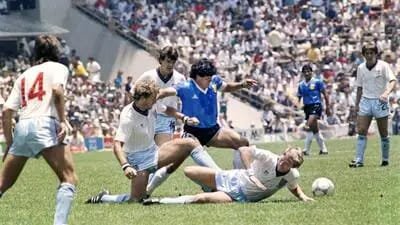
Few sporting rivalries can match the intensity, history, and emotional weight of England versus argentina on the World Cup stage. While football has many famous clashes, no international rivalry combines politics, history, controversy, brilliance, heartbreak, and redemption quite like this one.
Whenever England and Argentina meet in a World Cup, the match becomes more than a contest between two football teams. It transforms into a cultural event shaped by decades of history, unforgettable incidents, and legendary performances.
As the nations prepare for another potential chapter at FIFA World Cup 2026, the rivalry remains one of the most fascinating stories in international football. Across five World Cup meetings, fans have witnessed controversial refereeing decisions, extraordinary individual brilliance, painful eliminations, and moments that continue to define football generations later.
The numbers alone cannot explain the significance of this rivalry. Instead, its legacy is built on stories that continue to resonate decades after the final whistle.
Why England vs Argentina Is Different From Every Other Rivalry
Football rivalries are often born from geography, club competition, or sporting success. England versus Argentina is unique because its roots extend far beyond football.
Historical tensions between the two nations created an emotional backdrop that intensified every World Cup encounter. By the time they began meeting regularly on football’s biggest stage, each match carried significance that extended beyond sport.
What makes the rivalry remarkable is how consistently it has produced iconic moments.
Unlike many famous rivalries that occasionally fail to deliver memorable matches, England and Argentina seem destined to create football history whenever they collide.
| World Cup | Stage | Result | Defining Moment |
|---|---|---|---|
| 1962 | Group Stage | England 3-1 Argentina | First World Cup meeting |
| 1966 | Quarter-final | England 1-0 Argentina | Antonio Rattín controversy |
| 1986 | Quarter-final | Argentina 2-1 England | Hand of God and Goal of the Century |
| 1998 | Round of 16 | 2-2 (Argentina won on penalties) | David Beckham red card |
| 2002 | Group Stage | England 1-0 Argentina | Beckham’s redemption penalty |
1962: The Rivalry Begins Quietly
The first World Cup meeting between England and Argentina arrived in Chile during the 1962 tournament.
At the time, nobody could have predicted what the fixture would eventually become.
England secured a convincing victory, advancing to the knockout stages while Argentina exited the competition. The match itself was significant but lacked the drama and controversy that would later define the rivalry.
Looking back, however, it marked the beginning of a football relationship that would grow into one of the sport’s most captivating storylines.
1966: The Match That Changed Football History
If 1962 introduced the rivalry, 1966 transformed it forever.
The quarter-final clash at Wembley became one of the most controversial matches of its era.
Argentina captain Antonio Rattín was sent off under circumstances that remain debated decades later. Communication issues between player and referee created confusion, frustration, and a lengthy delay that intensified tensions between both teams.
The incident had consequences beyond the tournament itself.
Many football historians believe the controversy accelerated discussions that eventually led to the introduction of yellow and red cards, forever changing how the sport manages discipline.
England progressed and ultimately won the World Cup, but the match left lasting bitterness and elevated the rivalry to an entirely new level.
1986: The Greatest and Most Controversial Match in Rivalry History
No discussion of England versus Argentina can begin anywhere other than Mexico City in 1986.
The quarter-final produced two goals that perfectly captured football’s ability to generate both outrage and wonder within minutes.
The Hand of God
The first goal remains one of the most controversial moments in sports history.
Diego Maradona illegally used his hand to guide the ball past England goalkeeper Peter Shilton. The officials failed to spot the infringement, and the goal stood.
The incident became known worldwide as the “Hand of God.”
Decades later, it remains one of football’s most debated moments.
The Goal of the Century
Just four minutes after scoring one of football’s most infamous goals, Maradona produced arguably its greatest.
Starting deep inside his own half, he dribbled past multiple England players before finishing brilliantly.
The contrast was extraordinary.
One goal represented controversy. The other represented genius.
Together, they created perhaps the most famous individual performance in World Cup History.
Why Maradona’s 1986 Performance Still Defines the Rivalry
Many legendary footballers have produced great World Cup displays, but few have dominated a rivalry the way Maradona did in 1986.
His influence extended beyond statistics.
He became the central figure in a match that combined political context, sporting drama, and individual brilliance.
Even today, conversations about England versus Argentina inevitably return to those unforgettable minutes in Mexico.
The performance elevated Maradona from superstar to football immortal.
1998: Chaos, Beckham, and a Teenage Sensation
Twelve years later, the rivalry delivered another classic.
The Round of 16 clash at France 1998 contained almost everything football fans could ask for.
- Early goals.
- A spectacular Michael Owen solo strike.
- Tactical drama.
- A controversial red card.
- A penalty shootout.
At just 18 years old, Michael Owen announced himself to the world with one of England’s greatest World Cup goals.
His remarkable run and finish remains a highlight reel staple decades later.
However, the match is remembered equally for David Beckham’s dismissal.
After a confrontation with Diego Simeone, Beckham was sent off, forcing England to play with ten men for much of the contest.
Argentina eventually prevailed on penalties, while Beckham became the target of intense criticism back home.
The Beckham Redemption Story
Few football careers contain a redemption arc as compelling as David Beckham’s.
For four years, the 1998 red card followed him everywhere.
Many supporters unfairly blamed him for England’s elimination, making him one of the most scrutinized athletes in the country.
Rather than allowing the criticism to define him, Beckham responded through performances.
His journey reached its most satisfying chapter in 2002.
2002: Beckham Gets His Revenge
The 2002 World Cup meeting lacked the chaos of previous encounters but carried enormous emotional significance.
England captain David Beckham finally had an opportunity to rewrite his story against Argentina.
He took it.
After Michael Owen won a penalty, Beckham stepped forward and calmly converted from the spot.
The goal secured a famous England victory and provided personal redemption for a player who had spent years carrying the burden of 1998.
Unlike many sporting revenge stories, this one genuinely changed public perception.
Beckham transformed from scapegoat to national hero.
What Makes This Rivalry So Special?
Many famous football rivalries are built around repeated meetings.
England and Argentina have met only five times at the World Cup, yet each encounter feels historic.
Several factors explain why:
- Extraordinary individual performances.
- Major controversies.
- Political and historical context.
- High-stakes knockout matches.
- Memorable narratives that transcend football.
Every meeting seems to produce at least one moment that enters football folklore.
Comparing the Rivalry’s Greatest Moments
| Moment | Year | Impact |
|---|---|---|
| Rattín Red Card | 1966 | Influenced football disciplinary reforms |
| Hand of God | 1986 | Most controversial goal in World Cup history |
| Goal of the Century | 1986 | Often considered the greatest World Cup goal ever |
| Beckham Red Card | 1998 | Changed public perception of England’s captain |
| Beckham Penalty | 2002 | Completed one of football’s greatest redemption stories |
The Rivalry’s Influence on Modern Football
The impact of England versus Argentina extends beyond results.
Several moments from this rivalry influenced football’s evolution.
The controversies surrounding officiating contributed to discussions about improving refereeing standards. The emotional narratives demonstrated football’s power to create cultural moments that transcend sport.
Meanwhile, performances from Maradona, Owen, and Beckham inspired future generations of players around the world.
Could World Cup 2026 Deliver Another Historic Chapter?
Football fans are once again dreaming about another England versus Argentina showdown.
The modern version of the rivalry features a new generation of stars, but the emotional weight remains unchanged.
Argentina continue to be led by Lionel Messi’s influence, while England possess one of the deepest squads in international football.
If the nations meet again, history suggests that ordinary football will not be enough.
This rivalry rarely produces ordinary moments.
Conclusion
The England versus Argentina World Cup rivalry stands alone in football history. Across five meetings, it has delivered controversy, brilliance, heartbreak, redemption, and moments that continue to shape the sport’s collective memory.
From Antonio Rattín’s controversial dismissal and Diego Maradona’s unforgettable masterclass to Michael Owen’s emergence and David Beckham’s redemption, every chapter has added another layer to an already remarkable story.
More than six decades after their first World Cup encounter, the rivalry remains one of football’s most compelling narratives. Whenever England and Argentina share a World Cup stage, history has shown that something unforgettable is likely to happen—and that is exactly why the world continues to watch.
For breaking news and live news updates, like us on Facebook or follow us on Twitter and Instagram. Read more on Latest Sports on thefoxdaily.com.

COMMENTS 0