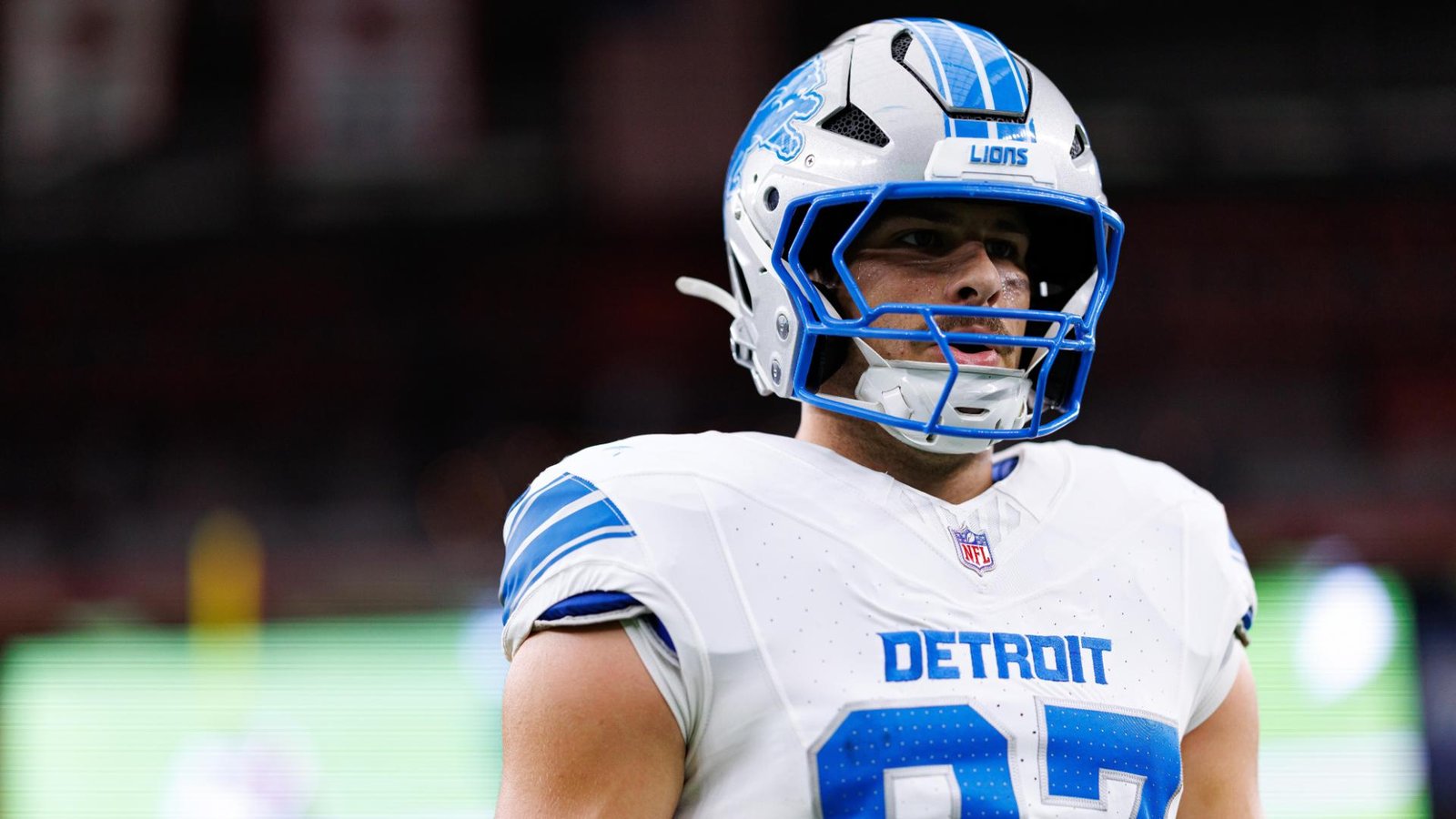
The tight end position has been one of the most difficult spots to manage in Fantasy Football during the 2026 NFL season. Injuries, inconsistent performances and disappointing starts from several expected contributors have made it challenging for fantasy managers to find dependable weekly production. As Week 11 approaches, those difficulties are becoming even more significant because six NFL teams are scheduled to be on bye.
The situation is particularly complicated with Brock Bowers dealing with another injury concern. Managers who have relied on him must consider alternative options, while those searching for replacements may find limited choices on the waiver wire. Established tight ends such as George Kittle and Isaiah Likely remain valuable options, but they are unlikely to be available as free agents in most fantasy leagues.
With the season entering another important stage, selecting the right tight end could make a difference in weekly fantasy results. ESPN’s Week 11 tight end rankings provide guidance by combining evaluations from eight analysts and considering player ability, offensive responsibilities and upcoming matchups.
Why the Tight End Position Has Been Difficult in 2026
Fantasy managers have faced several challenges at tight end throughout the season. Unlike positions where multiple players regularly deliver consistent production, the tight end market has been difficult to predict. Injuries and inconsistent performances have made it harder to identify players who can provide dependable points every week.
Brock Bowers’ early-season injury created an immediate problem for managers who expected him to be a reliable contributor. His situation has remained a concern, with another injury issue emerging ahead of Week 11. Any uncertainty surrounding his availability makes it important for fantasy managers to monitor the latest updates before finalising their lineups.
Colston Loveland has also experienced a disappointing start to the season compared with the expectations surrounding him. Meanwhile, Dalton Kincaid’s inconsistent performances have made it difficult for managers to rely on him as a regular source of fantasy production.
These situations demonstrate why the tight end position has required additional attention. Managers cannot simply select a familiar name and expect consistent results. Instead, they must evaluate player availability, offensive involvement and the quality of each week’s matchup.
Week 11 Bye-Mageddon Creates More Tight End Problems
Week 11 brings another difficult situation for fantasy managers because six NFL teams will not play. This schedule, often described as a bye-week challenge, removes several players from the available fantasy pool and increases pressure on managers who need replacements.
The teams on bye during Week 11 are the Cleveland Browns, Atlanta Falcons, Green Bay Packers, New England Patriots, Los Angeles Rams and Seattle Seahawks.
- Cleveland Browns: Browns players will be unavailable for Week 11 fantasy lineups.
- Atlanta Falcons: Managers cannot use their Falcons players during the bye week.
- Green Bay Packers: Packers players will be unavailable until the team returns from its break.
- New England Patriots: Patriots players will also be absent from this week’s fantasy schedule.
- Los Angeles Rams: Rams players cannot contribute fantasy points during Week 11.
- Seattle Seahawks: Seahawks players will be unavailable because of their scheduled bye.
Although the absence of these teams affects every fantasy position, it adds another layer of difficulty for managers already struggling to find reliable tight ends. With fewer players available, competition for suitable waiver-wire replacements can become more intense.
George Kittle and Isaiah Likely Remain Important Tight End Options
George Kittle and Isaiah Likely are identified as two tight ends fantasy managers can count on. Their inclusion highlights the importance of having established options at a position where consistent production has been difficult to find.
However, managers who do not already have either player may struggle to acquire them. Both are unlikely to be available on the waiver wire in most leagues, meaning fantasy managers should focus on the alternatives who can realistically be added to their rosters.
This distinction is particularly important during Week 11. Knowing which players are valuable is only part of the process; managers also need to identify realistic replacements based on their league’s available options.
For those without an established starter, the weekly rankings can help narrow down the choices. Evaluating players according to their projected roles and matchups may provide a better opportunity to find useful production from the tight end position.
How ESPN’s Week 11 Tight End Rankings Are Compiled
ESPN’s weekly tight end fantasy football rankings are based on an aggregate of evaluations from eight analysts. The contributors assess players individually, with their rankings combined to create an overall list for the upcoming NFL week.
The eight analysts are Matt Bowen, Mike Clay, Tristan H. Cockcroft, Daniel Dopp, Eric Karabell, Liz Loza, Eric Moody and Field Yates. Their combined assessments provide fantasy managers with a broader perspective when comparing tight ends for Week 11.
The rankings consider several factors, including a player’s individual skills, his role within the team’s offensive system and the quality of the upcoming matchup. These elements help determine how each player should be evaluated for the specific week.
The rankings are published every Tuesday and updated throughout the week as new information and analysis become available. This approach allows the evaluations to reflect relevant developments, including injury updates and changes that could affect a player’s expected contribution.
What Fantasy Managers Should Consider Before Choosing a Tight End
With injuries and inconsistent performances affecting the position, fantasy managers should avoid making decisions based only on a player’s reputation. A practical approach involves examining availability, offensive involvement and matchup conditions before selecting a starter.
Monitor Brock Bowers’ Injury Situation
Bowers’ latest injury concern is one of the important developments for Week 11. Managers who have him on their rosters should follow updates throughout the week and avoid assuming that he will be available without confirmation.
Having a backup option is particularly important when a starting tight end is dealing with an injury. Waiting until the final moment can leave managers with fewer alternatives, especially during a week when several teams are not playing.
Evaluate Consistency Rather Than Reputation
The early-season struggles of Colston Loveland and the inconsistency of Dalton Kincaid show why fantasy managers need to evaluate recent performances carefully. A player’s name or preseason expectations do not automatically guarantee weekly fantasy production.
Managers should consider how consistently a tight end contributes to his team’s offence. A player with a dependable role may offer a more useful option than someone whose involvement changes significantly from one game to another.
Check Offensive Role and Matchup Quality
A tight end’s role within the offence can influence his fantasy value. Managers should consider how involved a player is in the team’s offensive plans and whether the upcoming opponent presents a favourable opportunity.
ESPN’s rankings take these factors into account, making them a useful starting point for comparing available players. However, managers should also review the latest news before making their final selections.
Explore Realistic Waiver-Wire Alternatives
Managers without Kittle, Likely or another established starter should focus on players who are actually available in their leagues. Waiver-wire decisions become especially important during bye-heavy weeks because several teams are unavailable at the same time.
Fantasy managers should compare the available alternatives rather than chasing a familiar name without considering his expected role. The goal is to find a tight end who can provide useful production for the upcoming matchup.
Other Fantasy Football Rankings and Resources for 2026
ESPN also provides several additional fantasy football resources that can help managers make decisions beyond the tight end position. These rankings and statistical tools cover weekly matchups, long-term player value and different fantasy league formats.
- Weekly PPR rankings: Rankings are available for quarterbacks, running backs, wide receivers, tight ends, kickers and team defences.
- IDP rankings: Individual defensive player rankings support managers competing in leagues that include defensive positions.
- Flex and superflex rankings: Eric Karabell’s rankings provide guidance for alternative lineup formats.
- Rest-of-season rankings: These evaluations help managers compare players based on their expected value over the remaining schedule.
- Strength-of-schedule ratings: Mike Clay’s analysis offers information about the difficulty of upcoming matchups.
- Dynasty rankings: Long-term player evaluations are designed for managers competing in dynasty formats.
- Consistency ratings: These statistics help identify players who deliver more dependable fantasy performances.
- Expected touchdowns and fantasy points: Additional projections help managers compare potential production across the league.
Using these resources together can help fantasy managers make more informed roster decisions. Weekly rankings are useful for immediate lineup choices, while rest-of-season and dynasty evaluations provide a broader perspective on player value.
Why Week 11 Rankings Could Change
Fantasy football rankings are updated throughout the week because player availability and team circumstances can change. An injury update, a change in expected playing time or additional matchup analysis may influence how analysts evaluate a tight end.
This is especially relevant for Week 11 because Bowers is dealing with another injury concern and six teams are on bye. Managers should therefore avoid treating the initial Tuesday rankings as final and should check for updates before kickoff.
It is also important to remember that rankings are expert projections rather than guarantees. Even highly ranked players can produce disappointing performances, while lower-ranked alternatives may exceed expectations. Fantasy football involves uncertainty, and rankings are intended to help managers assess their options rather than promise a particular result.
Week 11 Tight End Rankings: What Managers Need to Know
The tight end position remains one of the biggest challenges for fantasy football managers entering Week 11 of the 2026 NFL season. Brock Bowers’ injury concern, Colston Loveland’s lacklustre start and Dalton Kincaid’s inconsistency have made it difficult to identify dependable weekly starters.
George Kittle and Isaiah Likely are highlighted as reliable options, but managers who do not already roster them may need to search for alternatives. The six-team bye schedule makes those decisions even more important, as several familiar players will be unavailable.
ESPN’s aggregate rankings, compiled by eight analysts, offer guidance based on player skills, offensive roles and weekly matchups. Since the rankings are updated as new information becomes available, fantasy managers should monitor the latest version before making their final lineup decisions.
The supplied Week 11 tight end ranking table does not contain individual player entries. As a result, specific player positions cannot be listed without additional ranking data. Managers should consult the updated ESPN rankings for the complete player-by-player order and use the accompanying analysis to identify the most suitable option for their fantasy roster.
For breaking news and live news updates, like us on Facebook or follow us on Twitter and Instagram. Read more on Latest Football on thefoxdaily.com.






COMMENTS 0