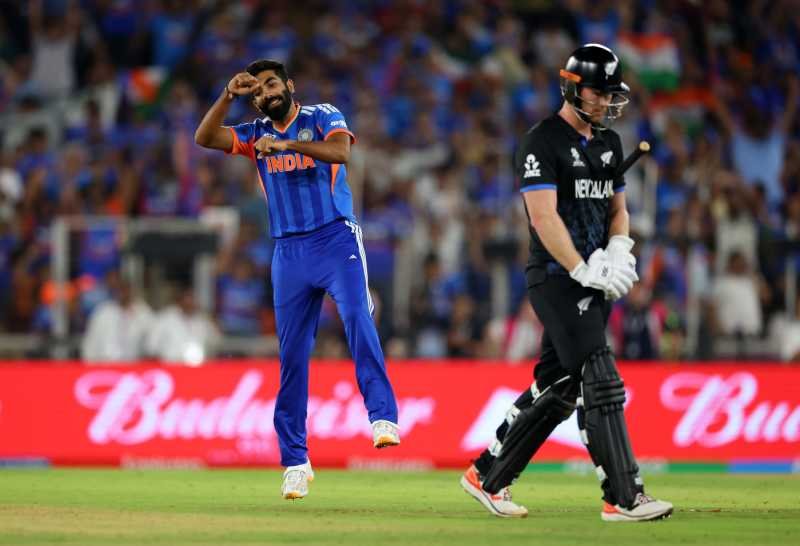
India A vs New Zealand A schedule 2026 has been announced, with three four-day matches set to provide an important red-ball preparation window ahead of India’s senior Test assignment in New Zealand.
The India A side will face New Zealand A across three four-day fixtures between October 24 and November 10. The matches will be played at two venues in the Canterbury region, with Bert Sutcliffe Oval in Lincoln hosting the first and third games and Christchurch’s Hagley Oval staging the middle fixture.
The timing of the series makes it particularly significant. While India’s senior team will be involved in the white-ball portion of the New Zealand tour, India A players will get the opportunity to spend valuable time in the longer format and adapt to New Zealand conditions.
The first four-day match is scheduled from October 24 to 27 at Bert Sutcliffe Oval. The second will take place at Hagley Oval from October 31 to November 3, before the final match returns to Bert Sutcliffe Oval from November 7 to 10.
India A vs New Zealand A 2026 schedule: Full match details
The three-match programme has been designed around the wider India tour of New Zealand. It gives domestic and emerging Indian players a competitive environment in which they can demonstrate their ability with the red ball.
| Match | Dates | Venue | Format |
|---|---|---|---|
| 1st Four-Day Match | October 24–27, 2026 | Bert Sutcliffe Oval, Lincoln | Four-day |
| 2nd Four-Day Match | October 31–November 3, 2026 | Hagley Oval, Christchurch | Four-day |
| 3rd Four-Day Match | November 7–10, 2026 | Bert Sutcliffe Oval, Lincoln | Four-day |
Why the India A series matters before the senior Test matches
The biggest value of the India A tour is not simply the number of matches. It is the timing and the conditions in which those matches will be played.
New Zealand presents a distinctive challenge for visiting red-ball teams. Seam movement, overhead conditions and the importance of disciplined batting can test players who are accustomed to playing most of their Cricket in the subcontinent.
For India’s emerging players, four-day cricket in New Zealand can therefore function as a practical examination. A batter who scores runs after surviving movement outside the off stump provides selectors with more meaningful evidence than performances in familiar home conditions.
The same applies to bowlers. Fast bowlers can learn how to exploit movement and bounce, while spinners can work on controlling the game when conditions do not immediately offer them significant assistance.
Hagley Oval gives India A an important Test-condition experience
One of the most interesting elements of the schedule is the inclusion of Hagley Oval in Christchurch.
The second India A fixture will be played at the venue from October 31 to November 3. Hagley Oval will later become part of the senior Test series, hosting the second Test between India and New Zealand from November 27 to December 1.
That creates an obvious advantage from a preparation perspective. Players who participate in the India A match at Hagley Oval will have an opportunity to experience the venue before the senior Test takes place there.
Understanding how quickly the surface changes, how much assistance the new ball provides and how batting becomes easier or harder as the match progresses can be valuable information for players and support staff.
It also means that the India A fixture is more than a standalone developmental game. It becomes part of a wider preparation programme surrounding the senior team’s Test campaign.
Three four-day matches offer more than a short warm-up
A single practice match can provide limited information because players may only get one meaningful opportunity with either bat or ball. Three four-day matches create a much stronger sample.
Across the series, a batter could face different bowling combinations and experience multiple stages of a match. Bowlers, meanwhile, can demonstrate whether they can maintain discipline over extended spells rather than relying on short bursts.
That distinction matters in first-class cricket. Test selection requires players who can contribute consistently over several sessions, not merely produce one impressive performance.
The four-day format also gives captains the opportunity to test tactical skills. Field placements, bowling changes, batting declarations and the management of long innings all become relevant.
India A players could use the series as a selection audition
India A tours have traditionally provided a pathway between domestic cricket and international cricket. The New Zealand series could again become an important platform for players pushing for higher honours.
Domestic performances remain the foundation of selection, but overseas A tours provide another layer of evidence. Performing in unfamiliar conditions can strengthen a player’s case when selectors are considering future international options.
For batters, the priority will be to show patience and technical adaptability. New Zealand conditions can reward players who leave the ball well and punish loose strokes early in an innings.
For fast bowlers, the opportunity is equally valuable. Bowling with the Dukes-style red ball in conditions conducive to seam movement can provide experience that is difficult to replicate in many domestic environments.
All-rounders could also be particularly important. A player capable of contributing meaningful runs while providing several useful overs offers selectors flexibility when building a Test squad.
India’s wider New Zealand tour makes the A series even more significant
The India A schedule has been arranged alongside an extensive senior tour. India’s main New Zealand assignment is scheduled to run from October 22 through December 1, covering T20Is, ODIs and Tests.
The senior side will begin with the white-ball programme before moving towards the Test series. The ODI portion is scheduled for November, while the Test matches will come later in the tour.
This creates an unusual but useful overlap. While senior players are competing in limited-overs cricket, India A players will be preparing specifically for the red-ball demands of New Zealand.
That separation can help Indian cricket maintain a larger pool of players ready for Test cricket. Instead of waiting until the Test squad is assembled to assess fringe players, the A team can provide competitive evidence weeks earlier.
From Lincoln to Christchurch: a useful progression for India A
The venue distribution gives the series a practical rhythm.
The opening game at Bert Sutcliffe Oval will allow players to settle into the tour environment. The move to Hagley Oval then exposes them to another important Christchurch venue before the series returns to Lincoln for the final match.
That final fixture could become particularly interesting because it gives players one last opportunity to finish the tour strongly. Consistency across all three games may prove more valuable than one spectacular individual performance.
For selectors, three matches can reveal which players adapt quickly and which ones struggle when conditions change. That is precisely the information that A-team cricket is designed to produce.
Comparison: India A series vs senior Test preparation
| India A Four-Day Series | Senior Test Series |
|---|---|
| Development and selection opportunity | International Test competition |
| Three four-day matches | Two Tests |
| Emerging and fringe players | India’s senior international squad |
| Focus on adaptation and assessment | Focus on results and series outcome |
| Played during the wider white-ball tour | Comes after the limited-overs programme |
The bigger strategic benefit for Indian cricket
The most important aspect of this arrangement may be squad depth.
International cricket calendars are increasingly demanding, and injuries, workload management and scheduling conflicts can quickly affect a Test squad. A strong India A structure gives selectors a group of players who already have overseas experience.
That experience becomes particularly useful when a senior player is unavailable at short notice. Instead of selecting someone who has never played in those conditions, India could have alternatives who have already spent several weeks adapting to the environment.
The series can therefore be viewed as an investment in India’s Test bench strength rather than simply a three-match developmental assignment.
New Zealand conditions could test India’s batting depth
Indian batting has traditionally been built around strong technique and the ability to handle spin. New Zealand offers a different examination.
The early part of an innings can be especially demanding when the ball moves in the air or off the surface. Batters need to resist the temptation to chase deliveries outside their scoring zones.
India A’s four-day games provide exactly the type of environment in which these skills can be developed.
A player who spends several innings learning when to attack, when to defend and when to leave could return to the senior setup with greater confidence and tactical awareness.
Fast bowlers have an equally important opportunity
New Zealand conditions can make seam bowling an attractive proposition, but exploiting them still requires accuracy.
Movement alone does not guarantee wickets. Bowlers must maintain a threatening line and length for long periods, build pressure and understand how the batter is responding.
The India A series gives young fast bowlers an opportunity to demonstrate exactly those qualities.
For selectors, sustained performance across four-day matches can be a stronger indicator of Test readiness than raw pace or isolated wicket-taking spells.
When and where can fans watch India A vs New Zealand A?
All three four-day matches are scheduled to take place in New Zealand, with the first and third games at Bert Sutcliffe Oval in Lincoln and the second at Hagley Oval in Christchurch.
The matches are scheduled between October 24 and November 10, 2026. Fans will be able to follow coverage through the channels and digital platforms designated by New Zealand Cricket, with live streaming listed through the NZC YouTube channel for the series.
What this series could mean for India’s Test bench
The India A tour should not be judged solely by the number of runs or wickets produced. Its real value will be visible in the players who show they can adapt to overseas first-class cricket.
That could include a technically sound batter making difficult runs, a fast bowler maintaining control across long spells, a spinner finding ways to contribute, or an all-rounder demonstrating that they can influence different phases of a match.
The strongest performers could strengthen their claims for future India selection, particularly if injuries or workload management create openings in the senior squad.
Prediction: three matches could reveal India’s next Test contenders
The most likely outcome is that the series will produce a clearer picture of India’s emerging Test options rather than immediately changing the senior squad.
Three four-day matches provide enough cricket for consistent performers to separate themselves from players who produce only one standout performance. A batter who scores heavily across multiple innings or a bowler who repeatedly delivers long, economical spells will naturally attract greater attention.
The Hagley Oval match could be particularly valuable because of its connection with the later senior Test. Players who perform well there may gain confidence from having already experienced the venue and its conditions.
India A vs New Zealand A schedule: Why this is more than a shadow tour
Calling the India A fixtures a “shadow tour” may make them sound secondary, but the strategic importance is much greater.
India’s senior team will be focused on international results across multiple formats, while the A team can concentrate almost entirely on long-form development. That creates an ideal environment for identifying players who may become future Test cricketers.
The October 24 start also gives the players plenty of time to adjust before the senior Test series begins later in November.
With three four-day matches across Lincoln and Christchurch, India A will receive a substantial overseas red-ball test of its own. The performances could influence selection decisions well beyond this particular tour.
Conclusion
The India A vs New Zealand A schedule 2026 gives India three valuable four-day matches from October 24 to November 10, creating an important bridge between domestic cricket and the international Test environment.
The first and third matches at Bert Sutcliffe Oval and the second at Hagley Oval will expose emerging players to different conditions while allowing them to build experience in New Zealand.
With the senior India team also touring New Zealand, the A series adds another layer to the country’s preparation strategy. It can help identify future Test contenders, improve overseas readiness and strengthen the depth available to the national selectors.
Ultimately, the players who adapt best to New Zealand’s conditions and show consistency across all three four-day matches could emerge as the biggest winners of this carefully timed red-ball opportunity.
For breaking news and live news updates, like us on Facebook or follow us on Twitter and Instagram. Read more on Latest Cricket on thefoxdaily.com.






COMMENTS 0