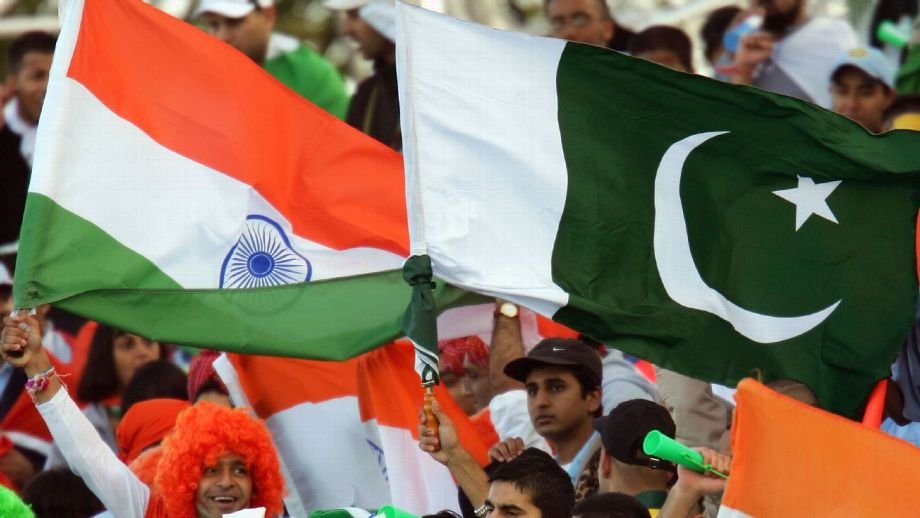
India secured its 10th SAFF Championship title after defeating Pakistan in the final, completing a remarkable campaign under head coach Naushad Moosa despite major squad disruptions and limited resources. What initially appeared to be a difficult tournament for a second-string Indian side ended with the Blue Tigers once again establishing their dominance in South Asian football.
Before the final, Moosa had made his position clear: this was not a B team, and the players had come to win. A day later, his team delivered on that promise. India overcame Pakistan to lift another regional title, showing resilience, tactical discipline and belief throughout the competition.
The triumph carried particular significance because India entered the tournament facing several challenges. Pakistan and Bangladesh had squads featuring players based in Europe, while India were managing commitments across two continents. The possibility of a new South Asian champion appeared realistic, especially after India had lost 1-0 to Bangladesh in Dhaka during the AFC Asian Cup qualifiers the previous year.
India were also playing friendlies against New Zealand, leaving the national setup divided between two assignments. However, Moosa’s young squad remained focused on the task in Bangladesh and eventually produced a championship-winning performance.
The Squad Confusion That Tested India
Moosa’s achievement becomes even more significant when the circumstances surrounding India’s squad are considered. The All India Football Federation (AIFF) faced criticism over its handling of the arrangements for the SAFF Championship and the New Zealand fixtures.
India initially announced a 28-player squad for the SAFF Championship. However, it later emerged that three players would be available for only one match because of an arrangement involving Mumbai City FC.
The situation became more complicated when Bijoy Varghese, Muhammad Suhail and Liston Colaco were removed from the SAFF squad so they could travel to New Zealand. Injuries to Ronney Kharbudon and Suresh Singh Wangjam further reduced the available options, leaving India with just 20 players for the tournament, including three goalkeepers.
The team was assembled under difficult circumstances. Some players missed the opening match against Pakistan because it took place outside the FIFA international window, while others departed after that game. India therefore never had a settled squad throughout the competition.
Managing such uncertainty required flexibility from the coaching staff. Rather than allowing the situation to become a distraction, Moosa focused on preparing the players available to him. His ability to adapt to changing circumstances became one of the defining features of India’s title-winning campaign.
India began by defeating an under-strength Pakistan side 3-2 in the opening match. They followed that result with a necessary 1-0 victory over the Maldives before beating Bhutan 2-1 in the semifinal to book their place in the final.
Moosa’s Second-Half Changes Turned the Final
The final against Pakistan presented a different challenge from India’s earlier matches. The first half was particularly difficult for the Blue Tigers, as Pakistan’s diaspora-heavy squad put sustained pressure on India’s defence.
Pakistan’s wide players, Haris Ali Zeb and Ali Akbar Khan, caused problems for India’s full-backs Sandip Mandi and Khaiminthang Lhungdim. India managed to withstand much of the pressure, but Alamgir Ghazi scored a superb goal in first-half stoppage time to give Pakistan the lead.
For the first time in the tournament, India had to recover from a deficit. The team also needed to overcome another attacking concern: they had not scored a second-half goal in the competition before the final.
Moosa responded immediately at half-time. Recognising that Manglenthang Kipgen had struggled in the opening period, he introduced the more physically imposing Macarton Nickson. The substitution quickly changed India’s approach.
Macarton’s ability to carry the ball forward helped India push higher up the pitch. That created more opportunities for Brison Fernandes and PV Vishnu to influence the game in the attacking third. India began to look more threatening instead of allowing Pakistan to dictate the tempo.
The match’s major turning point arrived in the 61st minute when Junaid Shah was sent off. However, India had already started building momentum before the dismissal. Vishnu had also missed two promising opportunities that could have brought an earlier equaliser.
Rather than abandoning their approach or rushing forward in search of a goal, India’s players continued to follow the game plan. Ricky Shabong and Abhishek Suryavanshi helped progress the ball towards Macarton, whose physical presence and ball-carrying ability were better suited to the demands of the contest.
Fresh Wide Players Helped India Take Control
Moosa made further adjustments in the wide areas after Suhail Ahmed Bhat scored India’s equaliser. With Pakistan down to 10 players, India were expected to enjoy more possession. The coach recognised that his wide players needed enough energy to take advantage of the extra space.
Irfan Yadwad and Abdul Rabeeh were introduced to bring fresh legs and attacking intent. Both players repeatedly ran at the Pakistan defence, giving India additional options as they searched for a winning goal.
The decisive moment eventually arrived through Sandip Mandi. His winning header benefited from a goalkeeping error by Yousuf Butt, making the finish somewhat fortunate. However, India’s sustained pressure and willingness to keep attacking had helped create the opportunity.
In football, luck often plays a role in decisive moments, but India’s victory was also the result of preparation and persistence. Moosa’s team had remained organised, adapted to the changing demands of the final and continued to trust its approach.
A Major Achievement for Naushad Moosa
The SAFF title represents an important achievement for Moosa, particularly after the disappointment of the previous year. India had lost late in their AFC U23 Asian Cup qualifier against Qatar despite producing some encouraging football. This time, the coach and his players were rewarded with the result their efforts deserved.
Throughout the tournament, Moosa showed confidence in his players and resisted the temptation to make unnecessary tactical changes. He trusted them to perform in familiar roles rather than forcing them into positions or responsibilities that did not suit their strengths.
His response to the difficult first half against Pakistan also demonstrated his ability to read a match and make timely adjustments. The introduction of Macarton Nickson, followed by changes in the wide areas, helped India gradually take control of the final.
India’s 10th SAFF Championship triumph was therefore about more than another trophy. It highlighted the potential of a young group of footballers who had to deal with an unsettled squad, limited options and challenging opposition.
Moosa had insisted before the final that his team was capable of winning the championship. The players backed their coach’s belief with performances on the pitch. India leave Dhaka as South Asian champions once again, with Moosa’s tactical decisions and leadership at the heart of a memorable title-winning campaign.
For breaking news and live news updates, like us on Facebook or follow us on Twitter and Instagram. Read more on Latest Football on thefoxdaily.com.






COMMENTS 0