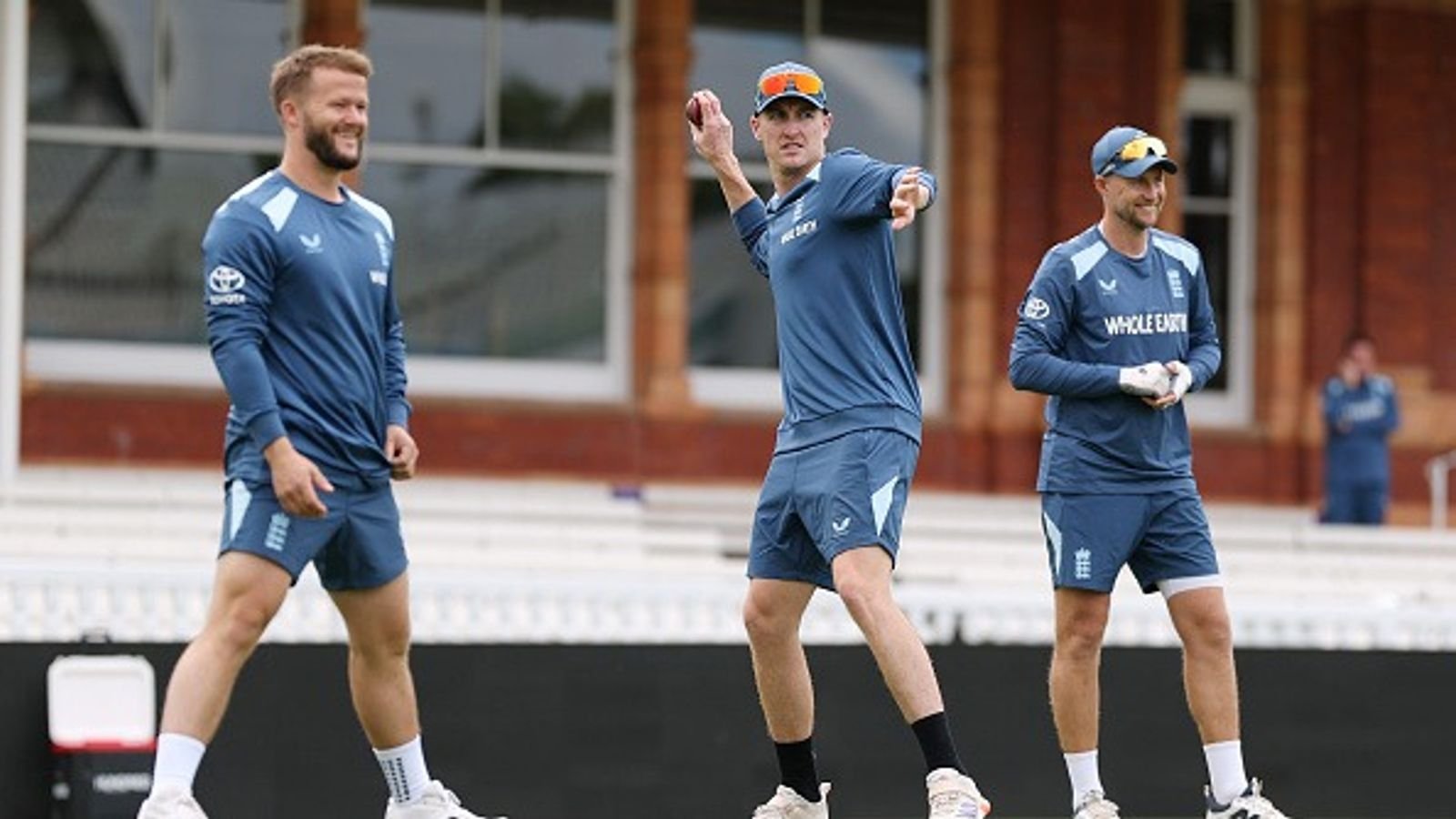
English cricket may be preparing for one of its most significant leadership decisions in recent years. Reports indicate that Joe Root is set to return as England’s Test captain, replacing Ben Stokes and taking charge of a team entering a period of uncertainty and transition.
The decision is notable not only because Root previously held the position for more than five years, but also because it reflects the England and Wales Cricket Board’s desire for stability at a time when the Test setup is undergoing major changes. With a new coaching structure expected, a challenging series against Pakistan on the horizon, and an Ashes battle looming next year, England’s leadership choice could have long-term consequences.
For many observers, the question is not whether Root can captain England again. The more important question is whether his return can help England navigate one of the most complex rebuilding phases in modern Test cricket.
Why Joe Root Has Emerged as England’s Preferred Choice
Leadership transitions in international cricket rarely happen under ideal circumstances. England’s current situation is no exception.
The departure of Ben Stokes has left the national team searching for a captain capable of delivering immediate credibility, experience, and consistency. While several younger players possess leadership potential, few command the respect and trust that Root has built over more than a decade in international cricket.
At 35, Root remains one of the world’s premier Test batters and one of England’s most influential figures. His experience across different conditions, opponents, and cricketing eras makes him a natural candidate to guide a team facing significant challenges.
Unlike a long-term developmental appointment, Root represents a solution that requires little adjustment. He understands the dressing room, knows the demands of captaincy, and has already navigated many of the pressures associated with leading England.
The Context Behind England’s Leadership Crisis
England’s decision cannot be viewed in isolation. It comes after a turbulent period for the national side.
Recent results exposed weaknesses in England’s Test structure, while leadership changes have created uncertainty about the team’s direction. The simultaneous search for a new Test coach has further complicated matters.
In such situations, cricket boards often prioritize continuity over experimentation.
Rather than handing the role to a younger player who would also be adapting to leadership responsibilities, England appears ready to rely on a captain who has already experienced the highs and lows of the position.
That approach may not be glamorous, but it is often effective during transitional periods.
Joe Root’s First Spell as England Test Captain
To understand why Root remains a compelling option, it is important to revisit his first tenure as captain.
Root led England during one of the most demanding periods in modern cricket history. His captaincy coincided with:
- Extensive international schedules.
- Bio-secure bubbles during the pandemic.
- Frequent squad disruptions.
- High-profile overseas tours.
- Intense public scrutiny.
While the end of his captaincy was marked by disappointing results, evaluating his tenure solely through that lens ignores the broader context.
Leading England is widely regarded as one of the most demanding jobs in world cricket. Root carried that responsibility while simultaneously remaining the team’s most dependable batter.
Joe Root’s Record as England Test Captain
Statistics alone do not tell the entire story, but they offer useful perspective.
| Category | Joe Root’s Previous Captaincy Record |
|---|---|
| Tests as Captain | 65 |
| Wins | 27 |
| Losses | 27 |
| Draws | 11 |
| Most Test Wins by an England Captain | Yes |
Perhaps the most significant statistic is that Root remains England’s most successful Test captain in terms of victories.
That achievement often gets overshadowed by the difficult final stages of his leadership tenure.
Why England Did Not Choose Harry Brook
One of the biggest talking points surrounding the captaincy discussion has been the decision not to immediately promote Harry Brook.
Brook is widely viewed as one of England’s future leaders and one of the most talented batters in world cricket. However, England appears reluctant to burden him with responsibilities across all formats.
As white-ball captain, Brook already faces significant challenges, including preparations for major ICC tournaments and the ongoing evolution of England’s limited-overs teams.
Adding Test captaincy could risk overloading one of the country’s most valuable players.
Instead, Root’s appointment would allow Brook to continue developing his leadership skills without carrying the full weight of England’s Test revival.
Why Experience Matters Before an Ashes Series
The timing of this decision is impossible to ignore.
England’s next Ashes campaign against Australia is approaching rapidly, and few contests in world sport generate comparable pressure.
Ashes series can define careers, shape legacies, and influence the direction of entire cricketing systems.
In such circumstances, experience becomes invaluable.
Root has already captained England in Ashes cricket. He understands the tactical demands, media attention, and emotional intensity associated with the rivalry.
That knowledge could prove critical as England attempts to reclaim momentum against one of its fiercest competitors.
The Bigger Challenge: Rebuilding England’s Test Identity
Captaincy is only one part of England’s broader challenge.
The team must also establish a clear identity for the next phase of its Test journey.
Recent years have seen significant shifts in philosophy, selection strategies, and playing styles. While aggressive cricket has delivered memorable moments, consistency remains elusive.
Root’s leadership style differs from some of the more aggressive approaches associated with modern Test cricket.
He is generally viewed as a calm, relationship-driven leader who prioritizes communication, trust, and dressing-room harmony.
That style could help create a more balanced environment during a period of transition.
The Relationship Between Captain and Coach
One factor that will significantly influence Root’s success is England’s coaching appointment.
The captain-coach relationship often determines the effectiveness of a cricket team’s leadership structure.
With England still searching for a permanent Test coach, the board faces another major decision.
A successful partnership could accelerate England’s progress.
A misaligned leadership group could create additional challenges.
This makes the upcoming coaching appointment almost as important as the captaincy itself.
What Joe Root Learned From His First Captaincy Stint
One advantage of appointing a former captain is the opportunity to benefit from lessons already learned.
Leadership experience often improves decision-making.
Root now returns with:
- Greater tactical understanding.
- Experience handling media pressure.
- A clearer perspective on workload management.
- Improved communication skills.
- Knowledge gained from observing other captains.
Many successful leaders perform better during their second opportunity because they understand the challenges more realistically.
Root’s potential second stint could follow a similar trajectory.
The Pakistan Series: Root’s First Major Test
If appointed, Root’s immediate focus will shift to the upcoming Test series against Pakistan.
Although much attention is already directed toward the Ashes, the Pakistan series represents a crucial early challenge.
Strong performances would immediately strengthen confidence in England’s new leadership structure.
Conversely, a difficult start could intensify scrutiny before the team has time to establish stability.
For that reason, the Pakistan series may be more significant than it initially appears.
How England’s Young Players Could Benefit
One overlooked aspect of Root’s return is the potential impact on younger players.
England’s squad increasingly includes emerging cricketers attempting to establish themselves at international level.
Having an experienced captain can accelerate development by providing:
- Consistent guidance.
- Reduced dressing-room uncertainty.
- Clear communication.
- A strong example of professionalism.
- Stability during difficult periods.
Root’s reputation as a respected teammate may prove particularly valuable in nurturing the next generation of England talent.
Can Joe Root Balance Batting and Captaincy?
Perhaps the biggest concern surrounding his return involves workload.
Root’s batting remains central to England’s success.
Throughout his career, he has carried enormous responsibility as the team’s leading run-scorer. Some critics argue that captaincy could once again affect his batting output.
However, Root’s current position differs from his previous tenure.
He returns with greater experience, a more mature squad, and a clearer understanding of how to manage the demands of leadership.
If England can build a strong support structure around him, balancing both roles may become significantly easier.
What Success Would Look Like for Root’s Second Spell
Success should not be measured solely through victories.
England’s broader objectives include:
- Creating leadership stability.
- Developing young players.
- Establishing a clear Test identity.
- Competing strongly against elite opposition.
- Building momentum toward future ICC competitions.
If Root helps achieve those goals while maintaining strong personal performances, his second captaincy stint could be viewed as a success regardless of individual series results.
Conclusion: Why Joe Root’s Return Could Be the Right Move at the Right Time
Joe Root’s expected return as England Test captain reflects more than nostalgia. It represents a calculated decision by the ECB to prioritize experience, stability, and proven leadership during a period of uncertainty.
While younger candidates may represent the future, England’s immediate challenge requires a captain capable of commanding respect from day one. Root offers exactly that.
His previous tenure provided invaluable lessons, his batting remains world-class, and his understanding of England’s cricketing landscape is unmatched among available options.
With a demanding Pakistan series ahead and the Ashes looming on the horizon, England appears to have concluded that the safest path forward is also the most logical one.
If officially confirmed, Root’s second spell as captain will not simply be a return to a familiar role. It will be an opportunity to reshape his leadership legacy and potentially guide England through one of the most important chapters in its modern Test history.
For breaking news and live news updates, like us on Facebook or follow us on Twitter and Instagram. Read more on Latest Sports on thefoxdaily.com.






COMMENTS 0