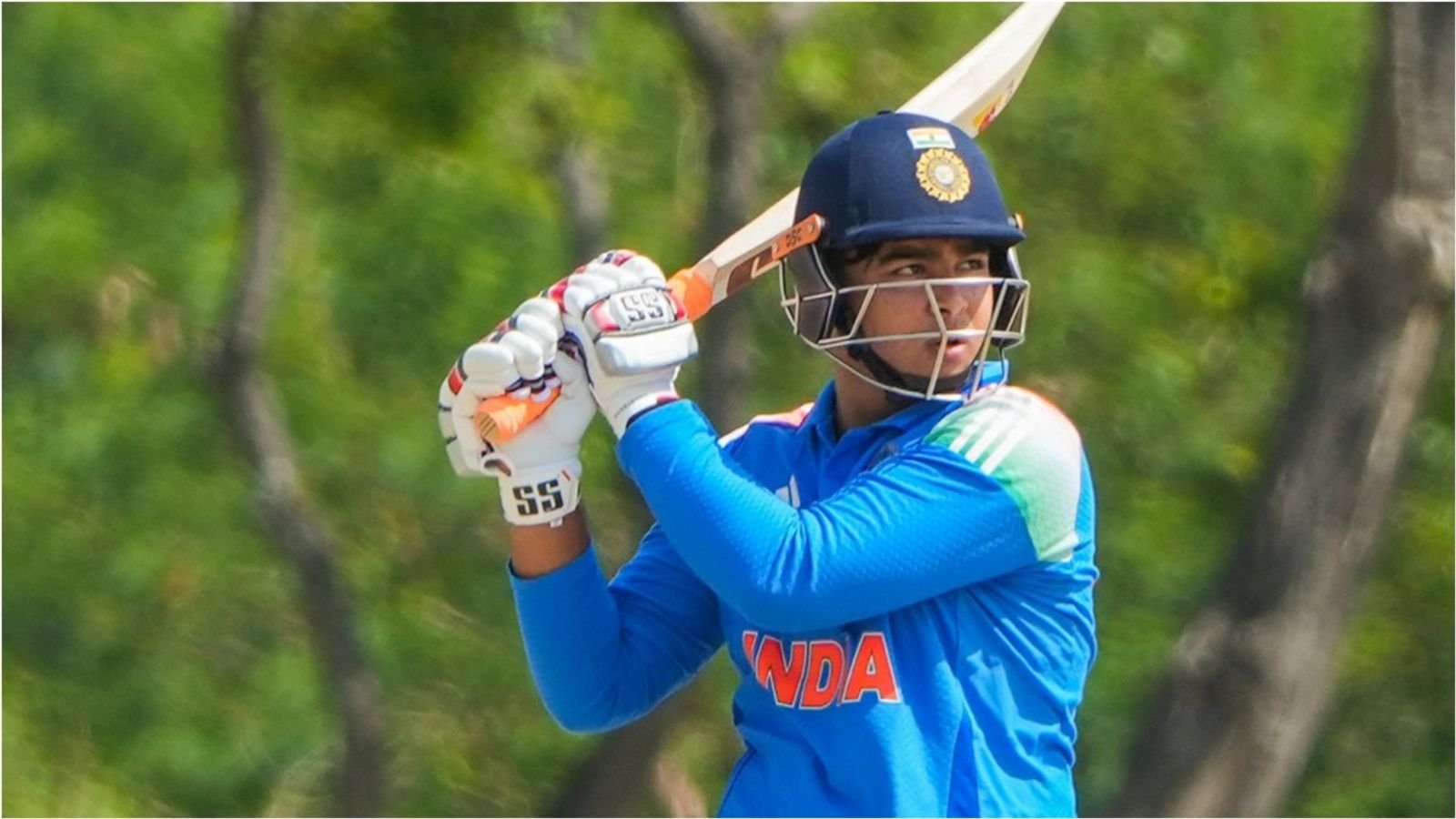
The spotlight on India’s emerging cricket stars has shifted from their performances on the field to questions surrounding discipline and sportsmanship after a tense India A versus Sri Lanka A encounter sparked controversy.
Teenage batting prodigy Vaibhav Sooryavanshi and India A captain Tilak Varma are reportedly facing financial penalties following separate incidents during the high-voltage Tri-Nation A Series clash in Dambulla.
According to reports, match referee Pradeep Jeyapragash has recommended a 50 percent match-fee fine for Sooryavanshi over his altercation with Sri Lanka A player Vishen Halambage, while Tilak could be penalised 30 percent of his match fee for protesting against the on-field umpires.
However, unlike senior international fixtures governed directly by the International Cricket Council (ICC), disciplinary matters involving A-team cricket fall under the jurisdiction of the respective national boards. The Board of Control for Cricket in India (BCCI) will make the final decision on whether to approve, modify, or reject the proposed sanctions.
What Happened During the India A vs Sri Lanka A Match?
The Tri-Nation A Series fixture between India A and Sri Lanka A turned dramatic as tensions boiled over during the closing stages of the contest.
While the exact trigger for the confrontation remains unclear, reports suggest that Sooryavanshi became involved in a physical altercation with Sri Lanka A cricketer Vishen Halambage after emotions spilled over following an intense finish.
The incident overshadowed what was otherwise a fiercely competitive contest featuring several players aiming to strengthen their cases for senior national team selection.
Separately, Tilak Varma expressed visible frustration over two umpiring decisions that significantly influenced the match proceedings.
- The first disagreement occurred when match officials informed both teams that a Super Over might not be possible because of deteriorating light conditions.
- The second incident involved a disputed no-ball call on the final delivery of Sri Lanka A’s Super Over innings.
Tilak was seen engaging in animated discussions with the umpires on both occasions, prompting the match referee to recommend disciplinary action.
Why the BCCI Holds the Final Authority
Unlike official ICC tournaments and bilateral international matches, A-team competitions operate under a different administrative framework.
Match referees and umpires can submit reports and recommend sanctions, but they do not have the authority to enforce penalties independently.
The responsibility lies with the participating cricket boards, which review the evidence, consider player explanations, and determine appropriate action.
In this case, the BCCI will assess the match referee’s recommendations before reaching a final verdict.
Notably, reports indicate that no formal disciplinary hearing has been conducted so far, and the proposed fines are based primarily on the observations and reports submitted by the on-field officials.
Potential Penalties Recommended
| Player | Incident | Recommended Penalty | Final Authority |
|---|---|---|---|
| Vaibhav Sooryavanshi | Altercation with Vishen Halambage | 50% of match fee | BCCI |
| Tilak Varma | Protests against umpiring decisions | 30% of match fee | BCCI |
Why Discipline Matters in Developmental Cricket
A-team cricket serves as the final stepping stone before international cricket. Performances undoubtedly matter, but selectors also closely monitor temperament, leadership qualities, and the ability to handle pressure.
For young players like Sooryavanshi, who is already regarded as one of India’s most promising prospects, maintaining composure during high-pressure situations is just as important as scoring runs or producing moments of brilliance in the field.
Similarly, captains at the A-team level are expected to demonstrate leadership skills that extend beyond tactical decision-making.
Handling contentious moments calmly, communicating effectively with officials, and setting the right example for teammates are qualities selectors value when identifying future senior team leaders.
The Growing Pressure on India’s Young Stars
The modern cricket ecosystem places unprecedented scrutiny on emerging players.
Every reaction, celebration, disagreement, or emotional outburst is captured on camera and dissected across television broadcasts and social media platforms.
For players such as Sooryavanshi and Tilak, managing expectations becomes increasingly challenging as their profiles continue to rise.
The intense competition for places in India’s senior side only adds to the pressure, especially in a talent-rich system where dozens of players are competing for limited opportunities.
Incidents like these often serve as valuable learning experiences, helping young cricketers understand the fine line between competitive intensity and crossing disciplinary boundaries.
Can This Impact Their Future Prospects?
At this stage, the recommended penalties are financial rather than suspension-related, meaning neither player is expected to face long-term consequences for selection.
However, repeated disciplinary issues can influence perceptions among selectors and team management.
Indian cricket has historically rewarded players who combine talent with professionalism and emotional control.
As both Sooryavanshi and Tilak continue their journeys toward regular senior team opportunities, how they respond to this situation may prove more significant than the fines themselves.
Learning from setbacks, accepting accountability, and demonstrating maturity are often defining traits of successful international careers.
What Happens Next?
The BCCI is expected to review the match referee’s report, along with any additional evidence and player explanations, before announcing its decision.
Until an official verdict is delivered, the proposed fines remain recommendations rather than confirmed sanctions.
For India A, the focus quickly shifts back to cricket as the team continues its Tri-Nation A Series campaign.
For Sooryavanshi and Tilak Varma, the coming days offer an opportunity to put the controversy behind them and let their performances once again take centre stage.
Conclusion
The India A versus Sri Lanka A clash highlighted both the intensity and importance of developmental cricket, where careers can be shaped by moments of brilliance as well as moments of frustration.
While Vaibhav Sooryavanshi and Tilak Varma could face financial penalties for their actions, the episode also serves as a reminder that temperament is a crucial part of success at the highest level.
As the BCCI considers its next move, Indian cricket fans will hope the incident becomes a valuable lesson for two of the country’s brightest young talents rather than a defining chapter in their careers.
For breaking news and live news updates, like us on Facebook or follow us on Twitter and Instagram. Read more on Latest Sports on thefoxdaily.com.






COMMENTS 0