Virgil van Dijk believes Liverpool must be willing to take calculated risks to make Andoni Iraola’s high-intensity playing style successful, insisting that the players are gradually becoming more confident in executing the manager’s tactical approach. The Liverpool captain has acknowledged that the system can create moments of uncertainty, but believes the rewards of winning possession high up the pitch make those risks worthwhile.
Iraola’s approach is beginning to take shape at Anfield following Liverpool’s transition from the slower, possession-based football associated with former manager Arne Slot. The introduction of a more aggressive high press has required players to step outside their comfort zones, make quicker decisions and accept greater responsibility during matches.
Liverpool have responded positively in recent weeks, recording five consecutive victories across competitions. Their latest success came against Chelsea in the Carabao Cup, where they secured progression following a penalty shootout on Wednesday. However, Van Dijk knows that the upcoming meeting with Arsenal will provide a much stronger test of how effectively the team can apply its developing identity.
Van Dijk Explains Why Liverpool Must Take Risks
Van Dijk believes Liverpool cannot approach their pressing game with hesitation, particularly when attempting to win the ball in the opposition half. The defender explained that committing players forward can create dangerous situations, but winning possession in advanced areas can generate momentum and energise the crowd.
Under Iraola, Liverpool defenders are increasingly expected to move away from traditional defensive positions to support the pressing structure. Van Dijk has regularly stepped 15 to 20 yards into opposition territory to close down opponents, while right-back Ronald Araujo has moved inside from his usual position to prevent opposition players from exploiting central spaces.
These movements can leave space behind Liverpool’s defensive line, creating opportunities for opponents to attack quickly if the press is bypassed. Van Dijk admitted that the approach has occasionally produced moments of chaos, but believes the team must accept those situations as part of the process.
Speaking about the tactical demands, the Liverpool captain explained that opponents are increasingly attempting to manipulate the team’s pressing movements by drawing defenders into uncomfortable positions.
“I think against every team it’s a challenge because when teams know that we want to win the ball high they try to drag you into difficult spaces and you have to read the game.”
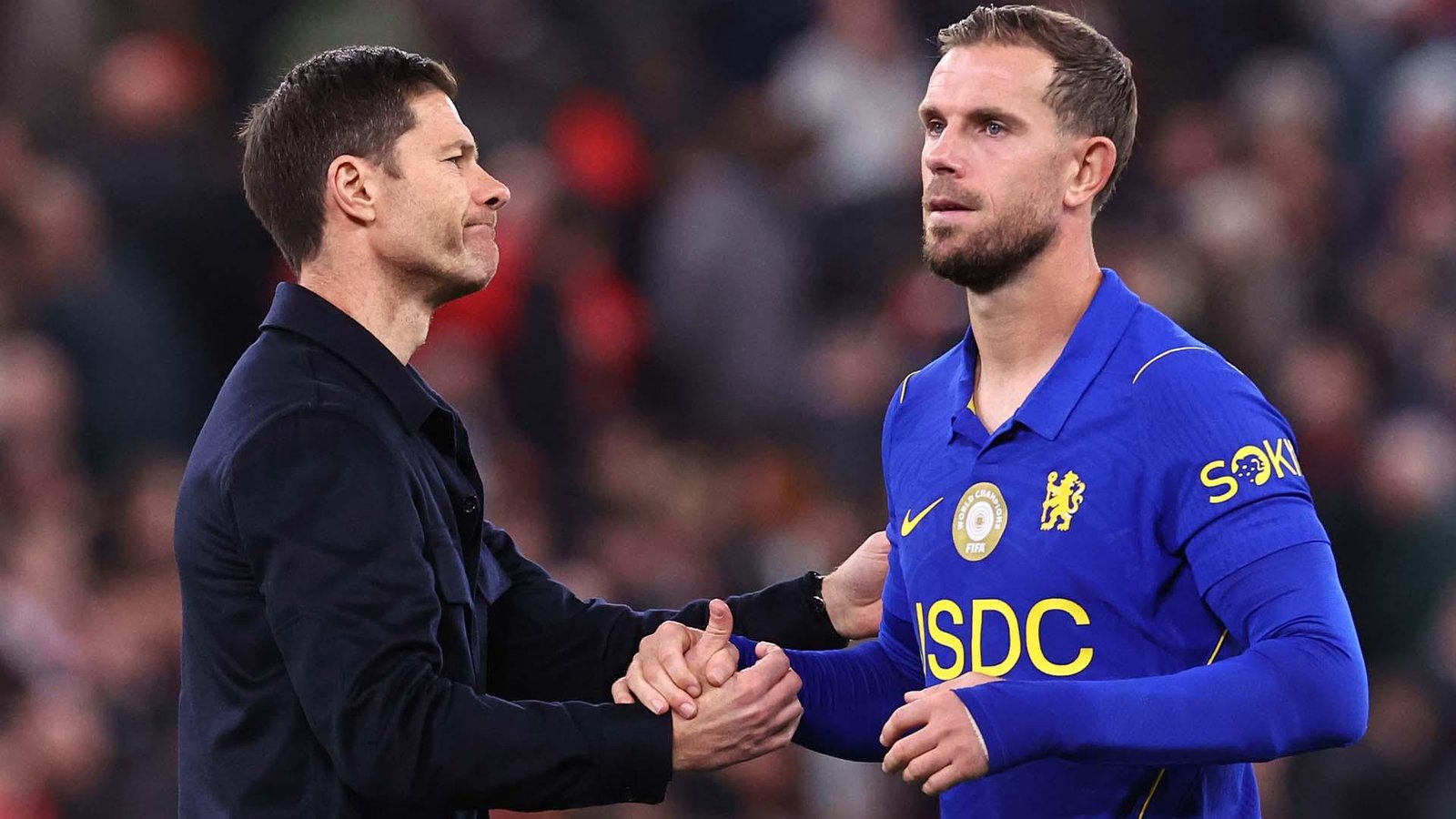
Van Dijk highlighted an example involving former Liverpool teammate Jordan Henderson, who dropped deeper to encourage one of the defenders to move forward and potentially leave space behind.
The situation demonstrates why Liverpool’s defenders must constantly assess whether to follow an opponent or maintain their defensive position. The captain believes recognising these moments and making the correct decision is essential to ensuring that Iraola’s aggressive system remains effective.
Arsenal Challenge Will Test Liverpool’s New Approach
Liverpool’s next major assignment is a Premier League meeting with Arsenal at Anfield. Facing the defending champions represents a significant challenge, particularly because Arsenal possess the technical quality and attacking movement to exploit defensive gaps.
Despite the quality of the opposition, Van Dijk insisted that Liverpool cannot abandon their principles or approach the match with a different mentality simply because of the opponent’s reputation.
The defender believes the team must continue committing players forward when opportunities arise, while remaining intelligent enough to recognise when pressing aggressively could create unnecessary danger.
For Liverpool, the objective is not simply to chase possession. The team must understand when to press directly, when to force opponents into mistakes and when to adjust its positioning to protect the spaces left behind.
Van Dijk also explained how winning the ball high can influence the atmosphere inside Anfield. When Liverpool recover possession close to the opposition goal, the supporters respond with increased energy, creating an environment that can help the team maintain its intensity throughout the match.
“But especially here, at the start, you have to go all-in and take that risk. If you win the ball high, you see the crowd coming up as well, and it just brings that energy that will help throughout the whole 90 minutes.”
His comments underline the importance of the connection between Liverpool’s pressing approach and the home supporters. High turnovers can create immediate scoring opportunities while also increasing the intensity inside the stadium.
Players Must Make Their Own Decisions on the Pitch
One of the biggest changes under Iraola has been the responsibility placed on individual players. Although the manager provides the tactical structure, Van Dijk believes footballers must make their own decisions when situations develop during matches.
Modern opponents frequently use one-versus-one situations to challenge defensive organisation. Liverpool’s players must decide whether to play directly, compete for the second ball or attempt to move through the opposition’s defensive structure.
Van Dijk explained that these decisions are central to the risk-reward nature of Iraola’s football. A direct pass can help Liverpool bypass pressure and create a battle for the second ball, while attempting to play through opponents can preserve possession and open up different attacking opportunities.
The captain stressed that players must remain adaptable rather than following instructions mechanically. The manager and coaching staff can establish a clear plan, but the footballers on the pitch have the greatest influence over how effectively that plan is implemented.
“The manager can obviously put the plan out but we as players have the responsibility in order to execute and win the game as well, with the help, of course, of the manager and the staff, but we on the pitch are the ones that have the most influence.”
That responsibility becomes particularly important when Liverpool face teams capable of changing their approach during a match. Players must recognise tactical adjustments quickly and respond without losing the intensity that Iraola wants from his side.
Iraola’s Pressing System Is Different From Klopp’s Liverpool
Liverpool’s renewed emphasis on high-intensity football has naturally invited comparisons with the successful period under former manager Jürgen Klopp. However, Van Dijk made clear that Iraola’s approach should not be viewed as a simple return to the gegenpressing system that defined much of Klopp’s time at Anfield.
Under Klopp, Liverpool frequently pressed opponents by shifting their defensive and midfield lines across the pitch, attempting to trap the opposition on one side and restrict available passing options. The system relied heavily on coordinated movement, aggressive pressure and collective positioning.
Van Dijk believes the modern game has evolved, meaning Liverpool must adapt their pressing methods rather than reproduce an approach from an earlier period.
“I think it’s a different era, different times. Under Jürgen, we pressed a lot with shuffling across, we tried to box them in one side, but football has changed.”
Although the tactical details are different, the defender identified one important similarity: the physical commitment required to win possession back quickly. Liverpool still need players capable of making repeated sprints, covering significant distances and applying pressure as soon as the ball is lost.
Another important element of Iraola’s system is the willingness to play more directly. Rather than attempting to build every attack through short passing combinations, Liverpool can use longer passes to bypass an opposition press and compete for second balls.
Van Dijk believes that having both options is essential. Liverpool must retain the technical ability to play through pressure while also recognising that direct football can sometimes be the more effective solution, particularly at Anfield.
Finding the Right Balance Between Pressing and Direct Football
While Van Dijk supports Iraola’s aggressive philosophy, he also recognises that Liverpool cannot press without considering the consequences. A successful high press requires coordination between defenders, midfielders and forwards. If one player moves forward without sufficient support, opponents can exploit the spaces created behind the pressing line.
That is why reading the game remains one of the most important responsibilities for Liverpool’s defenders. Van Dijk and his teammates must identify when to step forward, when to hold their positions and when to allow an opponent to receive the ball rather than opening up a dangerous passing lane.
The team is also continuing to develop its understanding of second-ball situations. Direct passes often create physical contests, and Liverpool must be prepared to react quickly when possession becomes loose. Winning those battles can allow the team to maintain pressure and prevent opponents from escaping their defensive areas.
Van Dijk acknowledged that Liverpool are still learning how to create the right kind of chaos without sacrificing their overall organisation.
“You have to find the right balance because I feel that we can still play through the press, but we can also go direct and at home sometimes you have to.”
He added that creating second-ball opportunities, competing in physical battles and maintaining pressure are all important parts of the process. Those elements are expected to become more natural as the players gain experience with Iraola’s system.
Five Consecutive Wins Provide Encouragement for Liverpool
Liverpool’s recent run of five successive victories has provided encouragement as the squad continues adapting to its manager’s demands. The Carabao Cup success against Chelsea was particularly significant because it extended the winning sequence and offered another opportunity for the players to demonstrate their growing understanding of the tactical approach.
However, the results alone will not determine whether Iraola’s philosophy can deliver sustained success. Liverpool must demonstrate that they can maintain their intensity against stronger opponents, manage difficult periods and avoid allowing aggressive pressing movements to become defensive weaknesses.
The Arsenal fixture offers an important opportunity to measure that progress. The visitors’ quality means Liverpool will need to combine their attacking ambition with disciplined defensive decision-making.
Van Dijk’s comments suggest that the captain is comfortable with the demands of the new system, provided the players continue improving their communication and understanding. He does not expect every pressing situation to work perfectly, but believes the squad must remain committed to the overall plan.
For Liverpool, the challenge is to make calculated risks a strength rather than a weakness. If the players can win possession high, compete effectively for second balls and choose the right moments to play directly, Iraola’s high-intensity approach could become an important part of the team’s identity.
The meeting with Arsenal will offer a demanding examination of that progress. Van Dijk’s message is clear: Liverpool must trust the system, make decisive choices and accept the risks that come with playing aggressive football.
For breaking news and live news updates, like us on Facebook or follow us on Twitter and Instagram. Read more on Latest Football on thefoxdaily.com.






COMMENTS 0