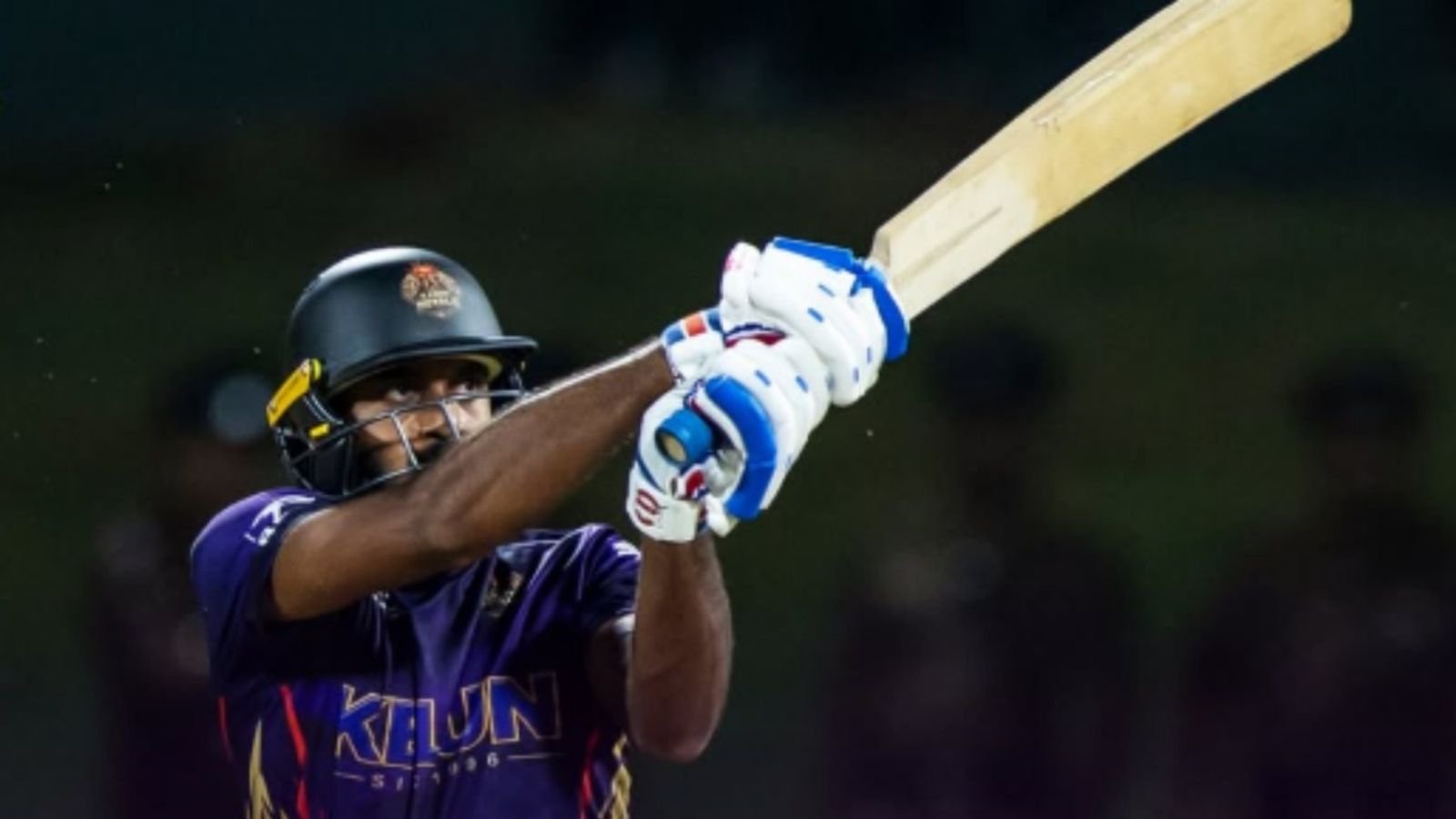
The Vijay Shankar LPL 2026 performance became one of the biggest talking points of the tournament after the Indian all-rounder failed to guide Kandy Royals home in a tense chase against Jaffna Kings. Chasing 222, the Royals required 22 runs from the final over with Shankar at the crease, but Sri Lankan left-arm pacer Dilshan Madushanka delivered a remarkable wicket-maiden over to hand his side a memorable 21-run victory.
The dramatic finish immediately reminded cricket fans of the 2018 Nidahas Trophy final, where Shankar faced immense pressure during India’s thrilling chase against Bangladesh. Although the circumstances were different this time, the ending once again highlighted how challenging final overs can become when expectations, scoreboard pressure, and world-class bowling collide.
Match Summary: Jaffna Kings vs Kandy Royals
| Match Detail | Result |
|---|---|
| Tournament | Lanka Premier League 2026 |
| Match | Jaffna Kings vs Kandy Royals |
| Venue | Pallekele International Cricket Stadium |
| Target | 222 Runs |
| Kandy Royals Score | 200 All Out |
| Result | Jaffna Kings won by 21 runs |
| Player of the Final Over | Dilshan Madushanka |
How the Dramatic Final Over Unfolded
With 22 runs needed from six deliveries and only one wicket remaining, Kandy Royals still had a mathematical chance of pulling off a stunning victory. Vijay Shankar, who had been batting positively before the final over, carried the responsibility of keeping the chase alive.
Madushanka, despite conceding runs earlier in his spell, responded brilliantly under pressure. Instead of relying solely on pace, the left-arm fast bowler mixed yorkers, slower deliveries, cutters, and short balls to keep Shankar guessing throughout the over.
The over began with a mistimed pull shot that found a fielder in the deep. Rather than taking a single, Shankar retained the strike. The pressure continued to build as Madushanka repeatedly changed his pace, denying the batter any opportunity to free his arms.
Three consecutive dot balls transformed the equation from difficult to nearly impossible. Eventually, attempting one final attacking stroke, Shankar was caught in the deep off the last delivery, completing a rare wicket-maiden over in one of the most pressure-filled moments of the match.
Why Madushanka’s Bowling Stood Out
Fast bowlers often rely on raw pace during death overs, but Madushanka demonstrated why variation is equally important in T20 cricket. His ability to disguise slower deliveries and maintain disciplined lengths prevented Shankar from generating power even when big shots were essential.
Bowling a wicket-maiden while defending 22 runs is an exceptional achievement in franchise cricket, where batters typically dominate the final overs. The over showcased composure, tactical awareness, and excellent execution under intense pressure.
Vijay Shankar Was Batting Well Before the Collapse
While the scorecard may focus on the final over, it does not tell the complete story of Shankar’s innings.
The experienced all-rounder scored 25 runs from 21 deliveries and had looked comfortable during the middle phase of the chase. Earlier in the innings, he successfully attacked Madushanka by striking consecutive boundaries, suggesting he had read the bowler well.
However, T20 cricket can change rapidly, especially when wickets fall at crucial moments. Once Kandy Royals lost captain Wanindu Hasaranga after his explosive cameo, the momentum shifted decisively in favour of Jaffna Kings.
The Turning Point of the Match
Hasaranga’s aggressive batting briefly swung the contest towards Kandy Royals. His clean hitting reduced the required run rate and placed pressure back on the bowling side.
His dismissal, however, proved to be the defining moment of the chase. Losing an established power-hitter left Shankar with limited support at the other end and significantly increased the difficulty of the final overs.
From that point onward, Jaffna Kings regained complete control of the contest, allowing Madushanka to execute his plans without worrying about another aggressive batter at the non-striker’s end.
Comparison with the Nidahas Trophy Final
The comparison with the 2018 Nidahas Trophy final naturally resurfaced because both matches took place in Sri Lanka and involved Vijay Shankar facing left-arm pace under pressure.
However, the situations were fundamentally different.
| 2018 Nidahas Trophy Final | LPL 2026 Match |
|---|---|
| International Final | Franchise League Match |
| Bangladesh Opposition | Jaffna Kings |
| Pressure During Successful Chase | Pressure During Unsuccessful Chase |
| India Eventually Won | Kandy Royals Lost |
While fans inevitably drew parallels, each match had unique circumstances. The latest contest serves more as a reminder of how difficult death-over batting can be than as a direct replay of past events.
Why Death Overs Remain Cricket’s Toughest Challenge
The final over of a T20 match represents one of cricket’s greatest mental tests. Batters must score quickly while bowlers know exactly what the opposition needs.
Successful death bowling relies on several factors:
- Accurate yorkers.
- Well-disguised slower deliveries.
- Intelligent field placements.
- Calm decision-making under pressure.
- Executing plans despite high expectations.
Madushanka excelled in every one of these areas, making his final over one of the standout bowling performances of this LPL season.
What the Result Means for Kandy Royals
The defeat significantly complicated Kandy Royals’ playoff hopes. With five losses from eight matches, qualification is no longer entirely in their hands.
The team must now rely on favourable results elsewhere while ensuring they capitalize on any remaining opportunities. Net run rate and other league outcomes could become decisive factors in determining the final playoff positions.
A Positive Sign Despite the Defeat
Although the result was disappointing, Vijay Shankar’s overall contribution offered encouraging signs. His batting showed confidence, timing, and intent, suggesting he remains capable of making valuable contributions in pressure situations despite the unfortunate finish.
Experienced players are often remembered for both their successes and setbacks, but T20 cricket frequently provides immediate opportunities for redemption. One impactful innings can quickly change the narrative.
Conclusion
The Vijay Shankar LPL 2026 innings will be remembered less for the runs he scored and more for the unforgettable final over delivered by Dilshan Madushanka. The Sri Lankan pacer’s perfectly executed wicket-maiden showcased elite death bowling and ultimately secured a crucial victory for Jaffna Kings.
For Kandy Royals, the defeat leaves their qualification hopes hanging by a thread, while for Madushanka, it reinforces his reputation as one of Sri Lanka’s most dependable fast bowlers in pressure situations. As the Lanka Premier League enters its decisive phase, both teams will know that moments like these often define an entire season.
For breaking news and live news updates, like us on Facebook or follow us on Twitter and Instagram. Read more on Latest Sports on thefoxdaily.com.


COMMENTS 0