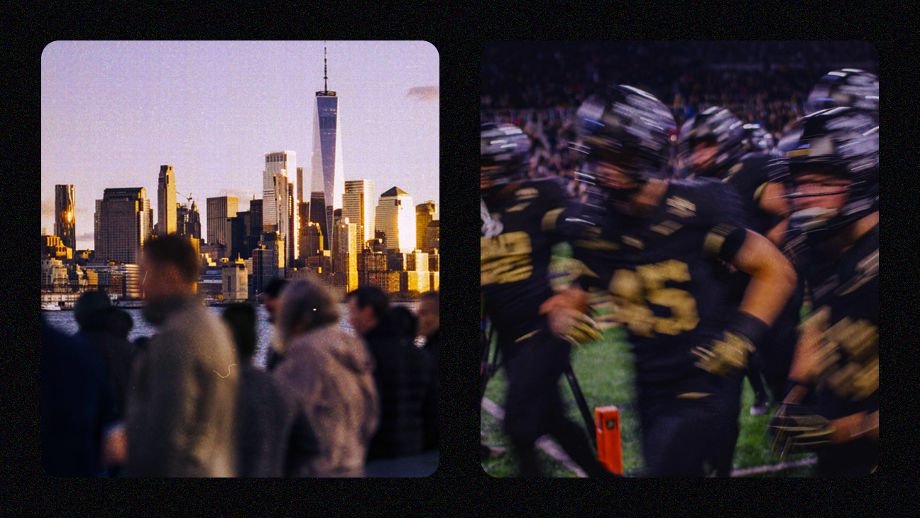
Army football has a game-day tradition unlike most College Football experiences in the United States. Instead of driving directly to the stadium or gathering in a parking lot for a traditional tailgate, hundreds of fans board a high-speed ferry in New Jersey and Manhattan before travelling up the Hudson River to West Point.
Known as “ferrygating,” the experience combines college football, scenic autumn views, drinks, military history and the traditions of the United States Military Academy. Even before the Army Black Knights take the field, the two-hour journey becomes an event of its own.
On a chilly October morning, the Seastreak Highlands departed Manhattan at 8:56 a.m., carrying a diverse group of passengers towards West Point ahead of Army’s afternoon game against Florida Atlantic. Among them were military veterans, finance professionals, attorneys, families, college football supporters and international visitors who had discovered the unusual tradition through social media.
Some passengers were lifelong Army supporters, while others had little interest in college football. For many, the attraction was simply the opportunity to experience a boat ride through the Hudson Valley before watching a game at one of America’s most historic military locations.
What Is the West Point Game-Day Ferry?
The West Point game-day ferry is a special Seastreak service that transports passengers from New Jersey and Lower Manhattan to the United States Military Academy for Army football home games. The high-speed passenger ferry can carry as many as 505 people, making it an unusual alternative to conventional college football tailgating.
The journey covers approximately 52 miles along the Hudson River, offering passengers views of Manhattan, the George Washington Bridge and the colourful autumn foliage lining the riverbanks. On board, fans can enjoy food, drinks and conversations while gradually building excitement for the game.
Unlike a typical football tailgate, the ferry brings together people from different backgrounds and regions. Some arrive wearing Army colours, while others represent different colleges or simply come along for the experience.
Army athletic director Tom Theodorakis explained the importance of balancing the academy’s history with new experiences for visitors.
“This place is about preserving tradition. But it’s also about building for the future. I don’t think we have to choose between both. The things that we do here at West Point, in many ways, are just timeless.”
Why Are So Many People Choosing Ferrygating?
One of the most interesting aspects of the West Point ferry is the variety of people who take part. The passengers include college football enthusiasts, military veterans, families, tourists and people who simply want to enjoy a different kind of Saturday.
For some, the ferry is a way to reconnect with a college football atmosphere they miss after moving away from their university. Others are attracted by West Point’s military history, its ceremonial traditions or the opportunity to watch an FBS football game in a unique setting.
The price can also be part of the decision. Tickets for the October 17 trip cost $104.52, and that particular cruise sold out weeks before departure. The demand reflects the appeal of an experience that offers much more than transportation to a football stadium.
Cannon Kearney, a Brooklyn-based lawyer and Army veteran, described the unusual mix of passengers:
“It’s not your typical SEC game day or anything like that. But where else across the country do you see people from Bum-Nowhereville, Arkansas, and posh Madison Avenue tailgating in one place?”
Social Media Is Introducing a New Generation to the Tradition
Social media has played an important role in attracting younger visitors to the West Point ferry. Several passengers on the October trip said they discovered the experience through videos posted by Nick Watts, a social media personality who has documented his journeys to Army football games over the past two seasons.
Watts’ videos highlight the combination of autumn scenery, drinks, college football and the distinctive military atmosphere at West Point. His enthusiastic description of the experience has encouraged people who might otherwise never have considered attending an Army game to try the journey themselves.
“Fall foliage. Beers. College football. Heavy artillery. Inject it into my veins.”
Andrew Sterling, Arjun Pasricha and James Bennington were among the passengers influenced by the videos. The three finance professionals, originally from Toronto and London, had limited interest in college football but wanted to experience the boat journey after seeing it online.
For them, the appeal was not necessarily supporting a particular team. It was about trying something different, enjoying a Saturday with friends and seeing what the West Point experience was all about.
A Tradition Built Around Family and Friendship
Although social media is bringing new passengers aboard, long-standing traditions remain an important part of ferrygating. Many people return every year, turning the journey into an annual gathering for friends, relatives and former colleagues.
Mike Jones, a Manhattan attorney, was leading his 12th West Point ferry trip. His group included sons, brothers, nephews, neighbours, friends and former colleagues. What originally developed through a social group of fathers and sons at Fordham Prep eventually became a yearly tradition that continued long after the original group stopped organising the trip.
Jones enjoys the social atmosphere as much as the football. The Manhattan skyline, the river views and the opportunity to spend time with friends are all part of the attraction.
“This part is just gravy,” Jones explained, gesturing to the view of the Manhattan skyline and lifting his drink toward the sky. “Personally, I like the bar, too.”
Families also make the journey a special occasion. Mark Mattingly travelled from Nashville with his father and two sons, fulfilling a long-standing wish to visit West Point together. His family had been connected to the academy through an earlier visit by his older brother, making the trip particularly meaningful.
For Craig Palmer, a 65-year-old educator from Middletown, New Jersey, the ferry is an extension of a lifelong connection with Army football. He has been making the journey for more than two decades and continues to organise annual trips with friends.
His interest goes beyond watching games. Palmer has studied Army’s football traditions, followed the team’s history and even visited spring practices to learn about its offensive system while working as a high school football coach.
“You breathe in the atmosphere [of West Point] and you realize there’s just nothing like this place. The tradition, the pageantry, the discipline; I almost can’t put it into words sometimes. But I think people who have a connection to it really have a forever connection to it.”
West Point’s Military History Adds to the Experience
The ferry journey is especially meaningful because of its destination. West Point is home to the United States Military Academy and has played an important role in American military history since the Revolutionary War.
Recognising the strategic importance of controlling the Hudson River, General George Washington considered the location one of the most important military positions in America. Under his direction, Continental Army soldiers began building Fortress West Point in 1778 to protect the area from British forces and warships.
Washington later moved his wartime headquarters to West Point in 1779. Nearly 250 years later, the location remains an active military installation, but it also welcomes visitors for Army football games and other academy traditions.
For passengers, arriving by boat creates a memorable connection between the Hudson River’s history and the academy’s present-day identity. The experience feels different from entering an ordinary college stadium because visitors are stepping onto an active military post.
What Happens After the Ferry Reaches West Point?
The Seastreak Highlands arrives at West Point’s South Dock, where passengers must prepare to enter the military installation. Visitors are reminded to have identification ready, and certain items that are acceptable on the ferry may not be permitted on the base.
After leaving the boat, passengers still need to make their way to Michie Stadium, which is approximately a five-minute drive away along West Point’s winding roads. The stadium experience then offers another layer of the academy’s traditions and pageantry.
Visitors may encounter a full-dress cadet review, historic statues and military ceremonies. The academy’s grounds feature statues of notable American military figures, including Ulysses S. Grant, Dwight Eisenhower, George S. Patton and Douglas MacArthur.
Game-day attractions also include performances by the U.S. Corps of Pipes and Drums and appearances from the West Point Parachute Team, which can deliver the game ball from the sky. Players also slap the Marshall Plaque as they run onto the field.
Another distinctive pregame tradition is the “Tsunami,” a coordinated dance performance involving cadets and set to the electronic track of the same name by DVBBS and Borgeous.
Army Football’s Appeal Goes Beyond the Scoreboard
The West Point experience attracts visitors who may not know the team’s historic players or follow every detail of college football. Its appeal comes from the combination of sport, military tradition, history and community.
That atmosphere is particularly important for people who have served in the military or have family connections to the armed forces. For them, supporting Army football can represent an appreciation for the cadets and the people who serve the country.
Kearney, who served in the U.S. Army in southern Iraq from 2005 to 2006 as part of Operation Iraqi Freedom, explained that the sense of connection is about more than supporting a football team.
“Army football is different than any other game you can go to across the country. There’s camaraderie here. But it isn’t about the team, really. The camaraderie comes from an appreciation for the people serving our country and there’s commonality in that. It’s refreshing.”
That sense of shared appreciation helps explain why the ferry attracts people with different backgrounds and sporting loyalties. Even Navy supporters and visitors with no connection to Army can enjoy the academy’s traditions and the opportunity to experience West Point.
How the West Point Ferry Compares With Other College Football Traditions
Army is not the only college football programme with a nautical game-day culture. Tennessee’s Vol Navy Boat Docks welcome boats of different sizes on football Saturdays, while Baylor offers river cruises and dock parking along the Brazos River. At the University of Washington, Husky Harbor provides another large-scale waterfront gathering for fans.
However, the West Point ferry offers a different combination of experiences. Its journey begins in the New York metropolitan area, travels through the Hudson Valley and ends at an active military academy with centuries of history.
The ferry is also a regular part of Army’s home-game routine. Seastreak president James Barker estimated that approximately 400 to 500 ticket holders travel to West Point by ferry for each home Saturday.
Seastreak operates a fleet of 10 high-speed ferries and has a wider business that includes commuter services between New Jersey and Manhattan, seasonal routes and specialist sightseeing trips. The West Point game-day cruise has become one of its longest-running services.
“We’ve been doing it for at least 25 years and we still sell out almost every trip. It’s had better longevity as a service than almost anything else that we’ve done.”
Final Thoughts: Why Ferrygating Keeps Bringing Fans Back
Ferrygating at West Point is more than an alternative way to reach an Army football game. It is a complete game-day experience that brings together people who might never otherwise share the same tailgate.
Some passengers come for the football, others for the military history, and many simply want to enjoy the Hudson River scenery with friends and family. Social media is introducing the tradition to a younger audience, while returning passengers continue to make it part of their annual routines.
Ultimately, the ferry’s biggest attraction is the atmosphere it creates. The journey combines the excitement of college football with the traditions of the United States Military Academy, offering visitors a memorable experience long before kickoff.
For breaking news and live news updates, like us on Facebook or follow us on Twitter and Instagram. Read more on Latest Sports on thefoxdaily.com.






COMMENTS 0