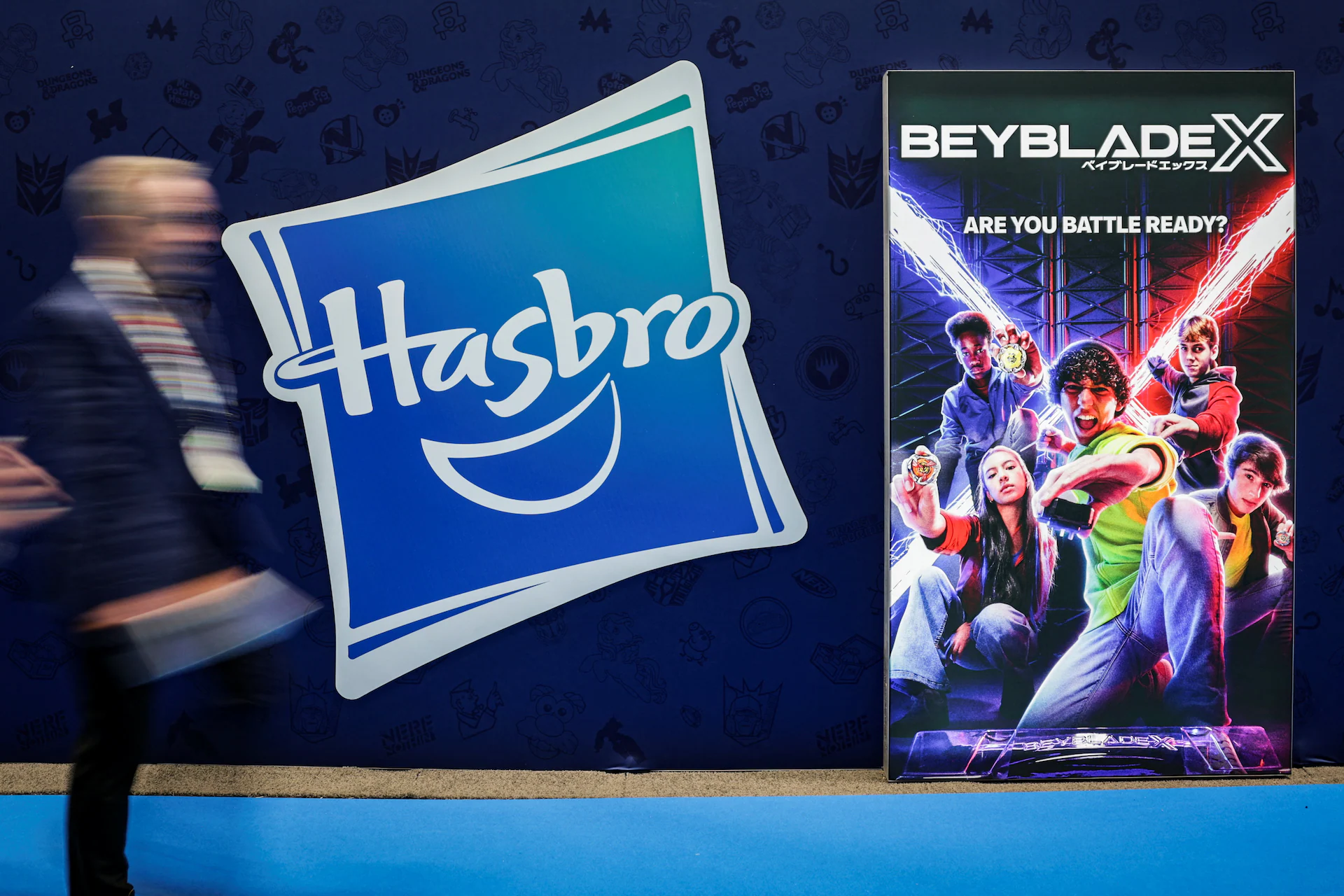
Hasbro has raised its annual revenue growth forecast after reporting stronger-than-expected quarterly sales, supported by demand for digital games, collectible products and traditional toys. The company is counting on continued momentum in its gaming business and popular entertainment franchises as it approaches the crucial holiday shopping season.
The US-based toymaker, known for brands such as Play-Doh, Transformers and Magic: The Gathering, said on Tuesday, October 20, that it expects fiscal 2026 revenue to increase by 7% to 9% on a constant-currency basis. Its previous forecast projected growth of 5% to 7%.
The upgraded outlook follows a strong third quarter in which Hasbro’s revenue reached $1.60 billion, exceeding analysts’ average estimate of $1.48 billion, according to data compiled by LSEG. Growth in digital gaming and improved demand for consumer products helped support the company’s performance.
The results highlight the importance of Hasbro’s strategy of combining established toy brands with digital entertainment, trading-card games and collectibles. With consumers preparing for the holiday season, the company is looking to build on demand across several product categories rather than relying exclusively on traditional toys.
Hasbro Raises Its Fiscal 2026 Revenue Growth Outlook
Hasbro now expects revenue to grow between 7% and 9% in fiscal 2026 on a constant-currency basis, an improvement on its earlier projection of 5% to 7% growth.
Constant-currency growth measures changes in revenue after excluding the effects of foreign-exchange movements. The measure helps investors assess underlying business performance when fluctuations in exchange rates affect the reported value of international sales.
The revised forecast indicates that Hasbro expects its business momentum to remain stronger than previously anticipated. The company is benefiting from demand for digital games and collectibles, while its traditional consumer products business has also recorded growth.
However, an upgraded forecast does not guarantee that the company will achieve the projected growth. Actual results will depend on consumer spending, product demand, sales performance during the holiday season and other business conditions during the remainder of the financial year.
The forecast also gives investors a new benchmark against which to assess Hasbro’s performance in upcoming quarters. Revenue growth, profitability and the company’s ability to maintain demand across different product categories will be important indicators of whether the improved outlook is sustainable.
Quarterly Revenue Beats Analysts’ Expectations
Hasbro reported third-quarter revenue of $1.60 billion, above the average analyst estimate of $1.48 billion compiled by LSEG. The stronger-than-expected result provided support for the company’s decision to raise its annual growth forecast.
Revenue measures the money a company generates from its business activities before accounting for expenses. Although revenue growth can indicate stronger demand, investors also examine costs and profitability to determine how effectively a company converts sales into earnings.
For Hasbro, the latest performance reflects contributions from both digital gaming and consumer products. The two businesses serve different but potentially complementary markets: digital and tabletop gaming can encourage continued engagement with established franchises, while toys and collectibles reach customers looking for physical products.
The combination may help the company appeal to consumers across multiple age groups and purchasing occasions. However, the performance of each segment can vary depending on product launches, franchise popularity and changes in consumer preferences.
Magic: The Gathering and Digital Gaming Drive Growth
Hasbro’s Wizards of the Coast and Digital Gaming segment was one of the strongest contributors to its quarterly performance. Revenue from the division increased 31% year over year in the third quarter.
The segment includes Magic: The Gathering, one of Hasbro’s established gaming properties. The franchise combines collectible trading cards with strategic gameplay, creating demand among players and collectors who purchase products to expand their collections and participate in the game.
Hasbro has recorded consecutive gains in its digital gaming segment over the past seven quarters, according to the supplied Reuters report. The extended period of growth suggests that the business has become an important contributor to the company’s overall performance.
Digital gaming and established tabletop franchises can provide revenue opportunities beyond the traditional toy-buying market. Gaming products may generate repeat purchases from existing customers, while new releases and product expansions can help maintain interest in established properties.
Nevertheless, continued growth depends on keeping players engaged and maintaining demand for new products. Gaming businesses must compete for consumers’ time and spending, and the popularity of individual releases can affect performance from one period to another.
The 31% increase in the division’s third-quarter revenue is therefore significant because it shows that gaming is contributing to Hasbro’s growth alongside its traditional toy business. Its future performance will be an important factor in determining whether the company can meet its upgraded annual forecast.
Collectibles and Entertainment Franchises Support Toy Sales
Hasbro’s consumer products segment also recorded growth, with revenue increasing 4% from a year earlier in the third quarter. The company has benefited from sales of collectibles connected to entertainment franchises, including Marvel, K-Pop Demon Hunters and Transformers.
Products associated with established entertainment properties can attract consumers who already have an interest in the characters and stories behind them. Collectibles can also appeal to buyers who purchase items for personal collections rather than exclusively for children’s play.
Marvel and Transformers are established entertainment brands with audiences across films, television, comics and merchandise. K-Pop Demon Hunters represents another entertainment property featured in Hasbro’s collectibles demand, illustrating how the company draws on a range of cultural and entertainment interests.
Such products can help connect Hasbro with consumers beyond its conventional toy categories. Interest in a popular franchise may support demand for figures, playsets and other merchandise, although sales ultimately depend on the appeal and availability of specific products.
The 4% growth in consumer products was more modest than the 31% increase in Wizards of the Coast and Digital Gaming. Even so, the rise shows that Hasbro’s traditional product business contributed positively to quarterly revenue rather than relying entirely on gaming to drive growth.
Why the Holiday Shopping Season Matters for Hasbro
The upgraded forecast comes ahead of the holiday season, an important period for toy and gift retailers. Consumers often purchase toys, games and collectibles as gifts, making seasonal demand an important consideration for companies such as Hasbro.
Strong performance before the holidays can provide a favourable starting point, but the company will still need to convert consumer interest into actual sales. Product availability, retail demand, pricing and competition can all influence how much revenue toy manufacturers generate during the period.
Hasbro’s range of products gives it several ways to appeal to holiday shoppers. Traditional toys can attract families looking for gifts for children, while collectible products and gaming-related merchandise can appeal to older consumers and established fans.
Its gaming portfolio may also offer opportunities to reach customers who purchase products throughout the year rather than only during major gift-buying periods. Repeat purchases and engagement with established games can help complement the seasonal demand associated with toys.
However, a strong holiday season should not be assumed solely from an improved annual forecast. Consumer spending can change in response to economic conditions, and demand may vary across brands and price categories. The company’s sales performance during the coming months will help determine whether its current momentum continues.
What Hasbro’s Results Mean for Investors
Hasbro’s results offer investors several factors to consider when assessing the company’s growth prospects. The first is the scale of the increase in digital gaming revenue. Growth of 31% in the Wizards of the Coast and Digital Gaming segment suggests that the business is currently expanding faster than consumer products.
The second factor is the company’s improved full-year guidance. Raising the expected constant-currency revenue growth range from 5%-7% to 7%-9% indicates that management now anticipates a stronger annual performance than previously projected.
The third is the balance between gaming and physical products. Digital gaming and collectibles can provide growth opportunities, while traditional toys remain an important part of Hasbro’s business. Performance across both areas can help investors assess how diversified the company’s revenue sources are.
Investors should also distinguish between revenue growth and profitability. Higher sales do not necessarily lead to proportionate increases in earnings if production, marketing, distribution or other expenses rise at the same time. The supplied results establish that quarterly revenue exceeded analysts’ expectations, but they do not provide enough information to determine the full effect on profitability.
Future results will help show whether the current demand is sustained and whether the company can translate higher revenue into stronger financial performance. The holiday season will be particularly important because it offers a major opportunity to sell toys, games and collectibles across Hasbro’s portfolio.
Hasbro’s Strategy Combines Established Brands With Gaming
Hasbro’s latest performance illustrates how traditional toy companies can use established brands to compete across multiple forms of entertainment. A franchise can support physical toys and collectibles while also serving as the foundation for games and other products.
This approach allows companies to reach consumers through different channels and purchasing habits. Someone who plays a collectible card game, for example, may also purchase related products, while fans of entertainment franchises may seek out figures or merchandise associated with familiar characters.
Such a strategy can create opportunities to build longer-term relationships with customers. However, success depends on maintaining the quality and appeal of the underlying products and ensuring that new releases continue to meet consumer expectations.
Hasbro’s recent results suggest that gaming and consumer products are both contributing to growth, though at different rates. Whether this combination continues to support the company’s upgraded outlook will depend on demand over the remainder of fiscal 2026.
Conclusion: Digital Games Give Hasbro a Boost Ahead of the Holidays
Hasbro has raised its fiscal 2026 revenue growth forecast after reporting quarterly sales that exceeded analysts’ expectations. The company now expects constant-currency revenue growth of 7% to 9%, compared with its previous range of 5% to 7%.
Third-quarter revenue reached $1.60 billion, beating the average analyst estimate of $1.48 billion. Revenue in the Wizards of the Coast and Digital Gaming segment increased 31%, while consumer products revenue rose 4% year over year.
Demand for Magic: The Gathering and collectibles associated with Marvel, K-Pop Demon Hunters and Transformers has helped support the business as Hasbro approaches the holiday shopping season.
The next test will be whether the company can maintain this momentum in the months ahead. Continued gaming demand, sales of traditional toys and collectibles, and consumer spending during the holidays will all influence its ability to deliver the stronger growth it now expects for fiscal 2026.
For breaking news and live news updates, like us on Facebook or follow us on Twitter and Instagram. Read more on Latest Technology on thefoxdaily.com.






COMMENTS 0