
In the aftermath of intense US military attacks on Venezuela, life in the capital city of Caracas has come to a near standstill. According to multiple accounts from residents on the ground, including members of the Indian diaspora, the situation is marked by fear, prolonged power outages, food shortages, and a complete breakdown of normal civic life.
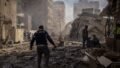
The crisis escalated after US warplanes carried out coordinated bombings across key locations in Caracas, targeting what officials described as strategic infrastructure. These Airstrikes reportedly caused extensive damage to electrical grids and communication networks, plunging large parts of the city into darkness. In a dramatic turn of events, Venezuelan President Nicolás Maduro was taken into custody by US forces and flown to New York, leaving the country without its head of state and triggering widespread uncertainty.
As Caracas reeled from the shock, businesses shut their doors, public transportation was suspended, and streets that were once bustling became eerily empty. With no clear information from authorities and limited access to news due to power failures, residents were left to rely on word of mouth and fragmented updates.
Sunil Malhotra, a member of the small Indian community living in Caracas, described the ground reality as deeply unsettling. Speaking to India Today TV, Malhotra explained that the scale of destruction was far greater than initially understood.
“The damage is substantial,” he said. “The country’s main airbase, located nearly 100 kilometers from Caracas, was attacked, and even the airport there was hit. But the worst impact has been in Fuerte Tiuna. That area suffered the maximum damage, and it has directly affected power supply across the city.”
Following the strikes, daily life came to an abrupt halt. Major commercial establishments closed indefinitely, local markets struggled to operate, and public transport services were suspended. Fear dominated the atmosphere, forcing people to stay indoors.

Access to food quickly became a major concern. Most large supermarkets were shut, leaving residents dependent on small neighborhood shops—similar to kirana stores in India—for basic necessities.
“They were letting in only one or two people at a time,” Malhotra said. “There were around 500 to 600 people standing in line per block. The queues were massive.”
People rushed to secure essential supplies, particularly bread. Pharmacies, which also sell canned food items such as tuna, sardines, and ham, witnessed unusually long lines as well. “It’s not a complete shortage yet,” Malhotra noted, “but the panic buying and uncertainty have created enormous pressure everywhere.”
Power outages further compounded the crisis. With electricity down across vast areas, charging mobile phones became a daily struggle. Like many others, Malhotra had to walk long distances in search of any functioning power source.
“There is a streetlight still working far from my home,” he explained. “Some hot dog vendors have illegally tapped electricity there. People now go to those spots just to charge their phones.”
Malhotra said he left his home around 4 pm to charge his phone and was only able to return close to 11 pm due to the overwhelming crowd. “It was so packed that I had to wait for someone else to finish before I could even get a seat. That’s how I’m able to speak to you right now,” he told India Today.

Adding to the anxiety was the lack of clear communication from authorities. According to Malhotra, neither the government nor local administrators have provided a concrete timeline for restoring electricity.
“Police came and asked us to leave while we were charging our phones,” he recalled. “They told us to take care and go home immediately. When I asked about power restoration, they said the damage at Fuerte Tiuna was severe and that they had no idea when electricity would be back.”
Fear of unrest has also kept people indoors. Malhotra pointed out that memories of violent protests between 2014 and 2017 remain fresh.
“People are terrified of protests breaking out again,” he said. “Back then, there were many deaths, and even children aged 13 or 14 were detained and never returned. No parent wants their child to be part of that. With nearly seven to eight million people already having left Venezuela, there are hardly any protests now. Everyone is just sitting at home, scared.”
The Indian community in Caracas is relatively small, but the Indian Embassy has taken steps to remain in touch. According to Malhotra, the embassy has created a WhatsApp group to share advisories and safety instructions with Indian nationals in Venezuela.
The US airstrikes were reportedly carried out following orders from President Donald Trump. US forces allegedly entered the presidential residence in Caracas, detained President Maduro and his wife, and transported them to New York. They are expected to face charges of “narco-terrorism” in the United States, accused of facilitating drug shipments intended to harm Americans.
Venezuela has strongly condemned the US action, calling it a blatant violation of international law. The Venezuelan government has accused Washington of attempting to destabilize the country to gain control over its vast natural resources, particularly its oil reserves.
As darkness, fear, and uncertainty continue to grip Caracas, residents—including vulnerable foreign communities—remain anxiously waiting for stability, power restoration, and clarity on what the future holds.
For breaking news and live news updates, like us on Facebook or follow us on Twitter and Instagram. Read more on Latest World on thefoxdaily.com.





COMMENTS 0