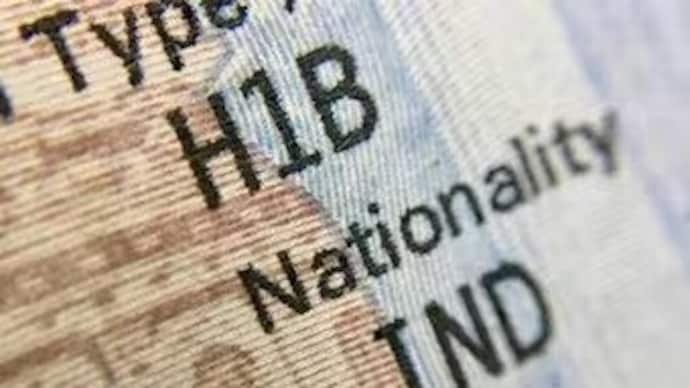
The administration of US President Donald Trump has announced plans to add approximately 65,000 additional H-2B seasonal guest worker visas through September 30, 2026, according to a notice published in the Federal Register. The move is aimed at supporting American businesses that face significant operational and financial risks due to an insufficient supply of domestic labor.
The decision effectively doubles the existing annual H-2B visa cap of 66,000, reflecting growing acknowledgment within the administration that certain labor-intensive industries continue to struggle with workforce shortages. Sectors such as construction, hospitality, landscaping, and seafood processing are expected to be the primary beneficiaries of the expanded visa availability.
The H-2B program allows US employers to hire foreign nationals for temporary, non-agricultural work when they can demonstrate that qualified American workers are unavailable and that hiring foreign labor will not negatively impact wages or working conditions for US workers. According to the Federal Register notice, the additional visas will be reserved for employers who can show they would suffer “severe financial hardship” without access to seasonal foreign labor.
The announcement comes amid a broader and often contradictory immigration posture from the Trump administration. Since returning to the White House in 2025, President Trump has pursued a sweeping immigration crackdown, frequently portraying undocumented immigrants as criminals and economic burdens on American communities. His administration has tightened border enforcement, expanded travel restrictions, and increased scrutiny of refugee and asylum applications.
At the same time, the administration has quietly acknowledged the economic realities facing US businesses. The expansion of the H-2B program mirrors similar actions taken both during Trump’s first term (2017–2021) and under former Democratic President Joe Biden, whose administration also temporarily increased visa caps to address labor market gaps.
Employers in seasonal industries, particularly hotels, resorts, and construction firms, have long lobbied for additional H-2B visas. Industry groups argue that domestic labor shortages—exacerbated by stricter Immigration Enforcement—have led to delayed projects, reduced services, and rising costs. Several construction companies have publicly stated that workforce shortages are now among their biggest operational challenges.
However, the expansion has not been without controversy. Immigration-restriction advocacy groups have criticized the move, arguing that guest worker programs suppress wages and reduce job opportunities for American workers. These groups continue to push for lower overall immigration levels and stricter labor market protections.
The decision also contrasts sharply with the administration’s tougher stance on high-skilled immigration. Earlier this year, President Trump imposed a $100,000 additional cost on certain H-1B visa applications—a move that has sparked legal challenges and drawn criticism from the technology sector, which relies heavily on foreign talent for specialized roles.
According to the Federal Register notice, a temporary regulation authorizing the additional 65,000 H-2B visas is scheduled for official publication on Tuesday. Once published, the rule will outline eligibility criteria, allocation timelines, and compliance requirements for participating employers.
As the US labor market continues to adjust to demographic shifts, post-pandemic workforce changes, and tighter immigration controls, the expanded H-2B visa program underscores the ongoing tension between political messaging on immigration and the practical labor needs of the American economy.
For breaking news and live news updates, like us on Facebook or follow us on Twitter and Instagram. Read more on Latest World on thefoxdaily.com.





COMMENTS 0