As US-Iranceasefire negotiations face uncertainty in Islamabad, US President Donald Trump has shifted focus to energy dominance, claiming that the United States holds more oil than Russia and Saudi Arabia combined. In a series of public statements, Trump said that massive empty oil tankers are currently heading to American shores, ready to load what he described as the “sweetest oil and gas” in the world. His remarks come at a critical moment, as geopolitical tensions continue to disrupt global energy markets.
Introduction: Energy Messaging Amid Diplomatic Uncertainty
While high-stakes Diplomacy unfolds between Washington and Tehran, Trump’s comments underscore a parallel narrative America’s energy strength. The statements were made as ceasefire talks in Pakistan experienced delays and complications, raising doubts about their outcome. By emphasizing oil exports and supply readiness, Trump appears to be reinforcing the United States’ position as a key stabilizer in global energy markets.
The timing is notable. With disruptions in the Strait of Hormuz and uncertainty in Middle East supply chains, global markets are closely watching how major producers respond.
Trump’s Bold Claim on US Oil Reserves
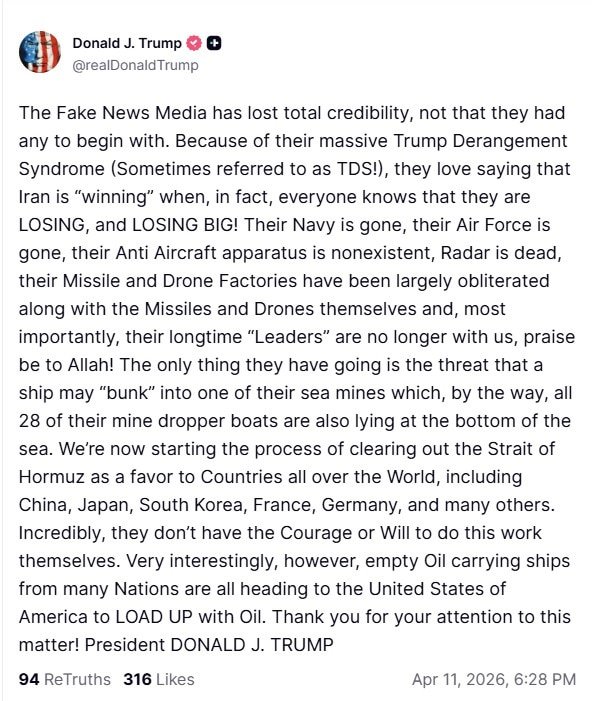
In a statement shared publicly, Trump asserted that the United States possesses more oil than the next two largest oil-producing economies combined. He also emphasized the quality of American energy resources, referring to them as superior in both refinement and usability.
“We have more oil than the next two largest oil economies combined and higher quality. We are ready,” Trump stated.
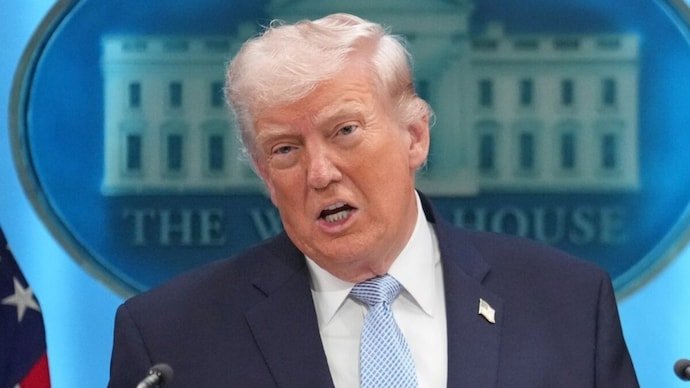
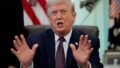
Donald Trump
He further highlighted that several large, empty oil tankers are already en route to US ports, signaling readiness for rapid export operations.
This messaging is aimed at projecting confidence, not just domestically, but also to international markets seeking stable energy supply alternatives.
What Trump Means by “Sweetest Oil”
Trump’s reference to “sweetest oil” points to low-sulfur crude, which is easier to refine and more environmentally efficient compared to heavier, high-sulfur alternatives. The United States, particularly through shale production, is known for producing such light sweet crude.
This type of oil is highly valued in global markets because it requires less processing and produces fewer pollutants, making it more attractive to refineries worldwide.
In simple terms, Trump isn’t just saying the US has more oil he’s saying it has better oil.
Empty Tankers Signal Strategic Energy Positioning
The mention of empty oil tankers heading toward the United States suggests a coordinated effort to ramp up exports. These tankers, some of the largest in the world, are expected to load American crude and deliver it to global markets.
This move could serve multiple purposes:
Stabilizing Supply: Offsetting disruptions caused by geopolitical tensions.
Market Influence: Increasing US presence in global energy trade.
Economic Gain: Boosting export revenues during a period of high demand.
It also signals that the US is preparing to step in as a reliable supplier at a time when traditional routes face uncertainty.
Strait of Hormuz: A Critical Factor in Global Energy
Trump also claimed that the United States is actively working to ensure the safety of the Strait of Hormuz, a key global shipping route for oil. Any disruption in this narrow passage can have immediate and widespread effects on global energy prices.
By indicating that the US is taking steps to secure the route, Trump is positioning the country as both a supplier and a protector of global energy flows.
This dual role producer and stabilizer has significant geopolitical implications.
US-Iran Talks Add to Market Uncertainty
Trump’s statements come against the backdrop of delayed and complex ceasefire talks between the United States and Iran. The negotiations, held in Islamabad, faced a delay of more than five hours due to disagreements and preconditions.
Iranian officials have expressed a lack of trust entering the talks, while the US has maintained a firm stance on key issues such as Sanctions and regional security.
This uncertainty has contributed to volatility in global energy markets, making Trump’s energy-focused messaging even more relevant.
Iran’s Preconditions Complicate Negotiations
Iran has reportedly set several conditions before fully engaging in broader negotiations. These include demands related to regional ceasefire arrangements, particularly in Lebanon, as well as the release of frozen financial assets held abroad.
Additional issues include broader Middle East stability and control over key maritime routes such as the Strait of Hormuz.
These demands have been met with resistance from the US, further complicating the diplomatic process.
Pakistan’s Role in Ongoing Diplomacy
Pakistan is hosting the talks and has engaged with both US and Iranian delegations separately. Prime Minister Shehbaz Sharif has met with US Vice President JD Vance, while Pakistani officials have maintained communication with Iranian representatives.
Islamabad’s role as a mediator reflects its strategic interest in preventing regional escalation. However, the complexity of the negotiations highlights the challenges of bridging deep divides between Washington and Tehran.
Energy Politics and Global Implications
Trump’s focus on oil exports during a diplomatic standoff highlights the intersection of energy and geopolitics. Control over energy resources and supply routes remains one of the most powerful tools in International Relations.
By emphasizing US capabilities, Trump is not only addressing domestic audiences but also signaling to global partners that America is ready to lead in energy supply during uncertain times.
This positioning could influence market dynamics, trade relationships, and geopolitical alignments in the months ahead.
Conclusion: Energy Strength Meets Diplomatic Tension
As US-Iran talks continue under a cloud of uncertainty, Donald Trump’s remarks about oil dominance and incoming tankers reflect a broader strategy of projecting strength through energy leadership. While negotiations struggle to gain momentum, the United States is positioning itself as a key player in stabilizing global oil markets.
The coming days will determine whether diplomacy can ease tensions or whether energy competition will take center stage. Either way, the intersection of geopolitics and oil markets remains as critical as ever and the world is watching closely.
FAQs
What did Donald Trump claim about US oil reserves?Toggle
Trump claimed that the United States has more oil than Russia and Saudi Arabia combined and is ready to dominate global exports.
What are the empty oil tankers heading to the US for?Toggle
They are expected to load American crude oil for export to global markets amid rising demand and supply disruptions.
Ashish Kumar is the creative mind behind The Fox Daily, where technology, innovation, and storytelling meet. A passionate developer and web strategist, Ashish began exploring the web when blogs were hand-coded, and CSS hacks were a rite of passage. Over the years, he has evolved into a full-stack thinker—crafting themes, optimizing WordPress experiences, and building platforms that blend utility with design.
With a strong footing in both front-end flair and back-end logic, Ashish enjoys diving into complex problems—from custom plugin development to AI-enhanced content experiences. He is currently focused on building a modern digital media ecosystem through The Fox Daily, a platform dedicated to tech trends, digital culture, and web innovation.
Ashish refuses to stick to the mainstream—often found experimenting with emerging technologies, building in-house tools, and spotlighting underrepresented tech niches. Whether it's creating a smarter search experience or integrating push notifications from scratch, Ashish builds not just for today, but for the evolving web of tomorrow.




COMMENTS 0