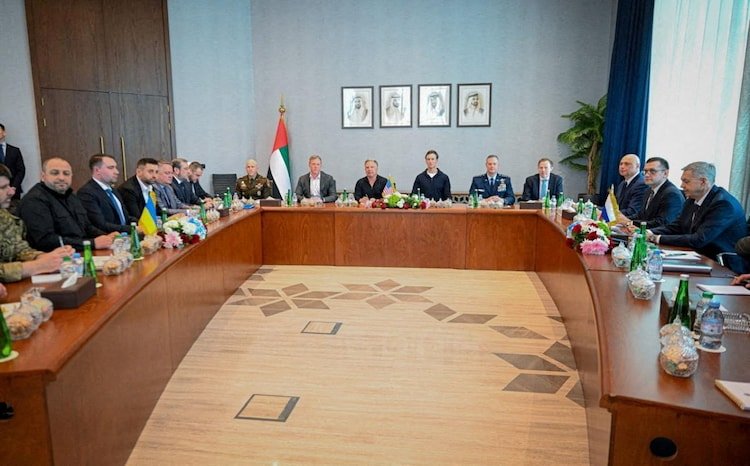
Ukraine and Russia have concluded a second round of US-brokered trilateral negotiations in Abu Dhabi, agreeing to conduct a large-scale prisoner exchange and to continue diplomatic talks—an uncommon sign of progress amid a grinding war now entering its fourth year.
The discussions, mediated by Washington, brought together representatives from Kyiv, Moscow, and the United States, even as intense fighting continues along the front lines. US officials described the talks as cautious but constructive.
According to American authorities, the sides agreed to exchange 314 prisoners of war in what marks the largest such transfer in the past five months. The agreement was confirmed by Steve Witkoff, US President Donald Trump’s special envoy, who said the negotiations demonstrated “measured but real progress.”
Ukrainian President Volodymyr Zelenskyy said that some of the freed soldiers had been held in Russian captivity for almost four years. His office released video footage showing returning prisoners stepping off buses draped in Ukrainian flags, many visibly emotional as they embraced loved ones.
In a post on social media, Zelenskyy called the exchange “a deeply human moment” and stressed that every return was the result of sustained diplomatic pressure and international coordination.
Russia’s defence ministry confirmed the exchange, stating that 157 prisoners were returned by each side, along with three Russian civilians from the Kursk region.
Diplomatic Engagement to Continue
Speaking after the talks, Witkoff said the negotiations underscored the importance of persistent diplomacy, adding that discussions focused on laying the groundwork for a more durable peace process.
Zelenskyy later indicated that additional rounds of talks were expected in the near future, possibly to be held in the United States. Speaking alongside Polish Prime Minister Donald Tusk, he said the Abu Dhabi discussions had helped clarify the principal points of disagreement between the two sides.
The Ukrainian leader reiterated that any future settlement must include strong and enforceable security guarantees to prevent renewed Russian aggression.
Russia’s envoy, Kirill Dmitriev, described the negotiations as showing “positive movement” and said Moscow was interested in improving economic and diplomatic relations with Washington as part of a broader de-escalation effort.
The Abu Dhabi talks included senior figures from all three delegations, among them US Special Envoy Steve Witkoff, presidential adviser Jared Kushner, Ukraine’s National Security Secretary Rustem Umerov, and Admiral Igor Kostyukov, head of Russia’s military intelligence and leader of Moscow’s security negotiating team.
War Continues Despite Diplomatic Momentum
Despite renewed diplomatic engagement, the war has shown no sign of abating on the battlefield. Fighting continues along the nearly 1,200-kilometre front line, with both sides reporting missile, drone, and air strikes in the days leading up to the talks.
Ukraine reported additional long-range attacks on Russian targets, while Moscow acknowledged conducting air and drone strikes on Ukrainian positions.
Zelenskyy once again appealed to Western allies for additional air defence systems, offering expanded cooperation on drone technology in return. He also said Kyiv was open to exchanging drone capabilities for fighter jets or advanced missile systems.
Casualty figures remain heavily disputed. Zelenskyy recently stated that approximately 55,000 Ukrainian soldiers had been killed since the start of the invasion. Russia continues to reject independent estimates, including a Center for Strategic and International Studies assessment suggesting nearly 1.2 million Russian casualties.
Key political disputes remain unresolved. Kyiv insists on retaining its current territorial positions and seeks control over the Zaporizhzhia nuclear power plant, while Moscow demands Ukraine’s withdrawal from the entire Donetsk region. Russia’s state nuclear company, Rosatom, has said the plant must remain under Russian control.
As negotiations continue, the Abu Dhabi summit has offered a rare diplomatic opening—but whether it can translate into lasting peace remains uncertain.
For breaking news and live news updates, like us on Facebook or follow us on Twitter and Instagram. Read more on Latest World on thefoxdaily.com.



COMMENTS 0