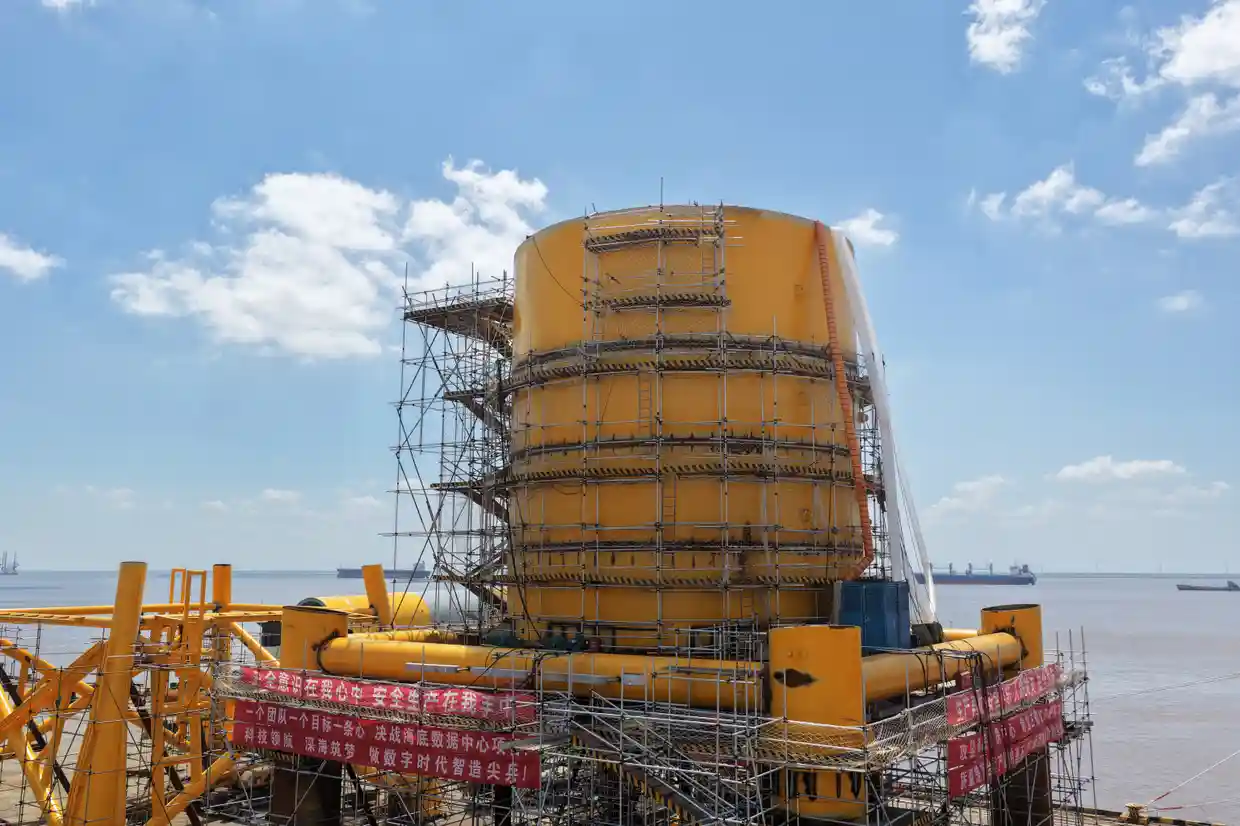
The idea of placing computer servers beneath lakes and oceans is gaining attention as the United States looks for ways to expand the infrastructure needed for Artificial Intelligence. Underwater datacenters promise an alternative to conventional facilities, which increasingly face opposition over electricity consumption, water use, noise, land requirements and pressure on local power grids.
However, the technology also raises environmental questions, particularly when considered for freshwater ecosystems such as the Great Lakes. These lakes supply drinking water to millions of people, support fisheries and wildlife, and underpin regional economies. Environmental advocates argue that governments should establish safeguards before developers begin proposing underwater facilities in the region.
Why underwater datacenters are attracting attention
Datacenters are specialised facilities that house computer servers, storage equipment and networking systems. They process and store the information used by cloud computing, online services, artificial intelligence applications and digital businesses.
As demand for AI computing increases, technology companies are building larger facilities with increasingly powerful processors. These machines generate substantial heat and require continuous cooling to operate safely. Conventional datacenters often rely on air-conditioning systems, cooling towers and water-based infrastructure, adding to their electricity and water requirements.
Underwater datacenters offer a different approach. Developers can place sealed server containers beneath the surface, using the surrounding water as a natural heat sink. The water absorbs heat from the equipment through cooling systems without requiring the same level of conventional air conditioning.
Cold water can make this approach particularly attractive. It may reduce the energy required to keep servers within operating temperatures and potentially improve equipment reliability by maintaining a stable Environment.
Another potential advantage is location. Underwater facilities could be positioned near major population centres without requiring large land parcels in residential or industrial areas. They could also avoid some of the public opposition associated with conventional datacenter construction.
Communities across the United States have increasingly questioned proposals for large facilities because of concerns about electricity prices, water consumption, noise, land use and the burden on local infrastructure. Moving some computing infrastructure offshore or underwater could reduce certain land-use conflicts, although it would not eliminate the need for power connections, cables, maintenance access and regulatory approval.
Trump administration interest and proposed underwater projects
The possibility of underwater datacenters has entered a broader debate in Washington about how the United States can expand its computing capacity and maintain its position in artificial intelligence.
President Donald Trump has publicly encouraged the development of datacenters in the United States, arguing that the country should attract the investment rather than allow technology infrastructure to move to competitors such as China. At a campaign rally in Ohio, he highlighted the economic opportunities associated with datacenter construction and the need to keep such investments within the country.
Reports have also pointed to proposals involving sealed underwater datacenter pods near the coasts of Maine and Alaska. These projects reflect growing interest in locating computing infrastructure in environments where natural cooling and alternative energy sources may offer operational advantages.
One proposal in Alaska illustrates how the concept could combine computing infrastructure with marine energy. A preliminary permit application filed with the Federal Energy Regulatory Commission describes a proposed subsea-compute and infrastructure hub in Cook Inlet, near the Kenai Peninsula.
The proposed development includes marine hydrokinetic turbines, modular underwater computing pods and subsea power and fibre-optic cables. The application describes dozens of computing modules integrated with the energy system, although a preliminary permit would only provide priority to pursue further licensing. It would not automatically authorise construction or guarantee that the project will proceed.
Proposals in Maine have also attracted attention and local opposition. These developments show that underwater datacenters are moving beyond theoretical discussions, but they remain at different stages of planning and regulatory review.
It is important to distinguish these individual proposals from a confirmed federal construction programme. Interest in expanding American datacenter infrastructure does not mean that the government has approved a network of underwater facilities or selected the Great Lakes for development.
Microsoft’s Project Natick demonstrated the technology
One of the most widely discussed experiments in underwater computing was Microsoft’s Project Natick. The company began exploring subsea datacenters to determine whether sealed server containers could operate reliably beneath the ocean while using renewable energy and surrounding water for cooling.
In 2018, Microsoft deployed a container-sized datacenter approximately 117 feet below the surface near the Orkney Islands off northern Scotland. The facility, known as Northern Isles, contained 864 servers and remained underwater for more than two years.
The experiment was designed to compare server performance in the underwater environment with that of similar equipment operating in a conventional land-based datacenter. The underwater container was sealed and filled with nitrogen, reducing the presence of oxygen and moisture inside the system.
When Microsoft retrieved the container in 2020, the company reported that the underwater servers had a failure rate approximately one-eighth that of the land-based comparison group. The result suggested that a controlled, sealed environment could improve equipment reliability.
The experiment also demonstrated that a subsea datacenter could operate for an extended period without routine human intervention. That could reduce some maintenance requirements, although equipment still needs to be inspected, repaired and eventually replaced.
Microsoft described the project as a successful research effort and said it had demonstrated the technical feasibility of underwater datacenters. However, the company did not move directly towards commercial deployment.
In 2024, Microsoft confirmed that Project Natick was no longer active as a development programme. The company said it had learned valuable lessons about operating equipment below sea level, including the effects of vibration and environmental conditions, and would apply those findings to other datacenter technologies.
Microsoft has also said it has no current plans to deploy underwater datacenters at any location. Its focus remains on building and operating conventional land-based facilities responsibly.
This distinction is important because a successful technical experiment does not automatically establish that a technology is commercially competitive or environmentally suitable for every location.
Why the Great Lakes could attract datacenter developers
The Great Lakes system consists of Lakes Superior, Michigan, Huron, Erie and Ontario. Together, they form one of the world’s largest freshwater systems and are a major source of drinking water, transportation, recreation and economic activity in North America.
The region is also home to large metropolitan areas, including Chicago, Toronto, Detroit and Cleveland. Their populations and businesses generate significant demand for cloud computing, digital services and artificial intelligence infrastructure.
For datacenter companies, the combination of relatively cold freshwater and proximity to major population centres could make the Great Lakes an attractive location to investigate.
Locating computing infrastructure near users can reduce the distance data must travel, potentially improving response times for certain services. This is particularly relevant for applications that require rapid processing, although the actual latency benefits would depend on network design and the facility’s connection to existing fibre infrastructure.
Cold water could also reduce cooling expenses. Datacenters consume large amounts of electricity, and cooling is an important part of their operating costs. Using surrounding water as a heat sink could reduce the energy needed for some cooling operations.
University of North Carolina Greensboro professor Nir Kshetri has highlighted the potential advantages of underwater facilities, including lower cooling costs and the possibility of locating computing capacity near large population centres.
However, the Great Lakes are not simply large cooling reservoirs. Their ecological conditions, seasonal temperature changes, ice cover, water circulation and environmental protections would all need to be considered before any underwater facility could be approved.
Great Lakes environmental groups warn about heat pollution
Environmental advocates are concerned that underwater datacenters could introduce additional heat into freshwater ecosystems. Even if a facility is sealed, its cooling system would need to transfer heat generated by servers into the surrounding environment or another heat-management system.
John Lipaj of the Lake Erie Foundation, an Ohio-based nonprofit focused on protecting the lake, has warned that heat released by datacenters could add pressure to an ecosystem already dealing with harmful algal blooms and other environmental challenges.
Lake Erie is particularly sensitive because it is the shallowest and generally warmest of the five Great Lakes. Its western basin experiences recurring harmful algal blooms, which are strongly associated with nutrient pollution, especially phosphorus entering the water through agricultural runoff.
Higher water temperatures can create conditions that favour some harmful algal blooms, although temperature is not the only factor. Nutrient availability, sunlight, water circulation and other environmental conditions also influence their development.
The concern is that additional heat from industrial infrastructure could worsen existing pressures in parts of the lake. The actual impact would depend on the amount of heat released, the location of the facility, water circulation and the effectiveness of its cooling system.
Lipaj has also raised concerns about possible leaks and contamination. Underwater facilities contain electrical equipment, batteries, cooling systems and other materials that could create environmental risks if a sealed unit suffered a serious failure.
Even a relatively small leak could require investigation because the Great Lakes are a major drinking-water source. Environmental groups want regulators to understand what chemicals and fluids would be used, how equipment would be contained and what emergency measures would apply if a system failed.
How warmer water could affect fish and aquatic ecosystems
Temperature is an important factor in the health of freshwater ecosystems. Fish, aquatic plants and other organisms have different temperature requirements, and sudden changes can affect their ability to survive and reproduce.
Helena Volzer of the Alliance for the Great Lakes has warned that even relatively small but rapid increases in water temperature can create stress for aquatic organisms. The effects can include changes in metabolism, higher oxygen demand and reduced availability of dissolved oxygen.
Warmer water generally holds less dissolved oxygen than colder water. When temperatures rise, some aquatic organisms also require more oxygen to support their metabolic activity. This combination can create difficult conditions for fish and other species, particularly in already stressed areas.
Changes in temperature can also affect food webs and the distribution of aquatic organisms. Some species may move away from warmer areas, while others could experience reduced breeding success or changes in feeding behaviour.
These impacts are especially important in Lake Erie, where fish populations already face pressures from habitat changes, pollution, invasive species and warming water temperatures.
However, the environmental impact of an underwater datacenter cannot be determined simply by knowing that it generates heat. A proper assessment would need to examine the facility’s cooling design, expected heat output, operating schedule, location and the lake’s ability to disperse that heat.
Leakage and equipment failure raise additional questions
Heat is not the only concern facing environmental groups. The equipment inside an underwater datacenter could include batteries, electrical components, cooling fluids and other materials that must remain securely contained.
Project Natick demonstrated that a sealed container could operate underwater for an extended period. But a commercial facility would need to address the possibility of corrosion, pressure-related damage, cable failures, mechanical problems and long-term deterioration.
A leak or structural failure could create a different set of risks depending on the substances involved. Environmental consequences would depend on the quantity released, the toxicity of the material, its ability to dissolve or spread through water and the proximity of sensitive habitats or water-intake infrastructure.
Regulators would therefore need clear information about the materials used inside each facility, the methods used to prevent leakage and the procedures for retrieving damaged equipment.
There would also be questions about who would be responsible for monitoring a facility throughout its operating life and paying for environmental restoration if something went wrong.
For the Lake Erie Foundation, establishing these requirements before developers submit proposals is more practical than trying to create rules after construction plans are already advanced.
Great Lakes already face pressure from datacenter expansion
The debate over underwater facilities is taking place alongside growing opposition to conventional datacenters across the Great Lakes region.
Communities have raised concerns about the electricity and water requirements of large computing facilities. Some projects have triggered disputes over land use, utility infrastructure, noise and the possibility that datacenter demand could increase costs for local residents.
Ohio has become one of the most prominent locations in this debate because of its growing datacenter industry and the number of local communities considering restrictions.
On November 3, 2026, residents of Conneaut, a Lake Erie community in northeastern Ohio, approved a city charter amendment prohibiting the construction of datacenters with an aggregate electrical demand or peak load above 25 megawatts.
The measure passed with approximately 65% of the votes cast on the question, according to unofficial results. It reflected concerns among residents about the potential effects of large datacenter developments on local resources and community interests.
Conneaut’s decision is part of a wider wave of local action across Ohio. Several other communities also voted on measures intended to prohibit or restrict large datacenters during the November 3 election.
The growing resistance shows that developers may face significant challenges when attempting to secure local approval for large facilities. Underwater projects could avoid some of the land-use disputes associated with conventional construction, but they would still require regulatory permission and public confidence.
Ohio’s wastewater debate highlights regulatory concerns
Water pollution and wastewater disposal have become important parts of the wider debate over datacenter expansion in Ohio.
Earlier proposals in the state sought to make it easier for datacenter companies to discharge wastewater into public waterways. The proposals attracted opposition from environmental advocates and residents concerned about the protection of local water resources.
The Ohio Environmental Protection Agency rejected the relevant measure in July 2026 following public opposition. The dispute reinforced concerns that regulatory rules must keep pace with the rapid growth of industrial computing infrastructure.
For underwater datacenters, the regulatory questions could be even more complicated. Authorities would need to determine whether heat-transfer systems, cooling equipment, maintenance operations or accidental releases could affect water quality.
Any project involving the Great Lakes would also have to account for the region’s existing water-protection framework and the interests of communities that depend on the lakes for drinking water.
New York is the only one of the eight Great Lakes states identified in the report as having a temporary statewide moratorium on datacenter construction. The measure is scheduled to expire in mid-2027 unless extended or replaced.
Great Lakes Foundation wants regulations before proposals arrive
The Lake Erie Foundation is not responding to a confirmed underwater datacenter application in the Great Lakes. Its concern is that the technology could become attractive to developers before states have established specific environmental safeguards.
Lipaj said the organisation has contacted state representatives and senators in New York, Ohio and Michigan to discuss the potential risks and the need for early regulation.
The foundation wants lawmakers to consider rules covering water quality, heat discharge, contamination risks, equipment design and environmental monitoring. Its position is that clear standards should be in place before companies approach local governments with development proposals.
This approach reflects a precautionary argument: governments should not wait for an environmental problem to emerge before deciding how underwater industrial infrastructure should be regulated.
The organisation also recognises that datacenters play an important role in the modern economy. Its concern is not simply about preventing technological development but ensuring that new facilities do not place freshwater resources at unnecessary risk.
There is currently no confirmed underwater datacenter project proposed for the Great Lakes, and the Ohio EPA has said it has not received an application to permit one in its portion of Lake Erie.
Winter ice and other technical challenges could complicate projects
Even if environmental concerns could be addressed, the Great Lakes present technical challenges that may make underwater datacenter development more difficult than projects in some ocean environments.
Seasonal ice cover is one major consideration. During the winter of 2025–26, extensive freezing affected large portions of the Great Lakes, with Lake Erie experiencing particularly widespread ice cover.
Ice could complicate the deployment, inspection and retrieval of underwater equipment. Developers would need to understand how changing ice conditions affect surface access, cables, maintenance vessels and emergency recovery operations.
Underwater structures would also need to withstand changing temperatures, water pressure, currents and long-term exposure to freshwater. Although freshwater avoids some of the corrosion challenges associated with saltwater, it does not eliminate the risks of material degradation or equipment failure.
Maintenance is another important issue. Conventional datacenters allow engineers to access servers, replace components and upgrade hardware relatively quickly. Underwater facilities require specialised recovery operations, potentially increasing downtime and repair costs.
This issue matters particularly for artificial intelligence infrastructure, where processors and server equipment can become outdated quickly. A facility that cannot be upgraded easily may struggle to remain economically competitive over its expected operating life.
Microsoft’s decision shows the gap between technical success and commercial deployment
Project Natick demonstrated that underwater servers could operate reliably, but Microsoft ultimately decided not to pursue commercial deployment. The company has said it is applying lessons from the experiment to other areas of datacenter research rather than building subsea facilities.
This highlights an important distinction in the debate. Lower cooling requirements and fewer server failures may make underwater datacenters technically attractive, but developers must also consider construction expenses, maintenance, network connections, regulatory approvals and the cost of replacing equipment.
For a commercial operator, the overall economics matter more than a single performance advantage. A facility that saves electricity but costs substantially more to deploy or repair may not offer a compelling business case.
There is also no guarantee that underwater facilities would eliminate community opposition. Residents and environmental organisations could raise concerns about the use of public waters, potential contamination, industrial activity and long-term accountability.
What underwater datacenters could mean for the future
Underwater datacenters could become one part of a broader effort to find new locations and cooling methods for the rapidly expanding digital economy. Their potential advantages include access to cold water, reduced dependence on conventional cooling systems and the ability to locate computing infrastructure near major population centres.
But the technology is not a simple solution to the environmental problems associated with datacenter expansion. Electricity generation, underwater cables, equipment manufacturing, maintenance and waste management would still have environmental consequences.
For the Great Lakes, the stakes are particularly high because the region’s freshwater resources serve millions of people and support an interconnected ecosystem. Any industrial project would need to demonstrate that its operations can protect water quality and avoid unacceptable impacts on aquatic life.
The Lake Erie Foundation’s preparations reflect a growing effort to establish environmental protections before a new technology reaches local waters. The organisation wants state lawmakers to develop clear rules rather than respond after a developer has already invested in a project.
For now, underwater datacenters remain an emerging technology with demonstrated technical potential but unresolved commercial and environmental questions. The Great Lakes are not currently facing a confirmed proposal, but the debate over their possible use shows how the expansion of artificial intelligence infrastructure is creating new questions about who controls natural resources and how they should be protected.
For breaking news and live news updates, like us on Facebook or follow us on Twitter and Instagram. Read more on Latest World on thefoxdaily.com.






COMMENTS 0