The United States has sharply widened its travel and entry restrictions, adding 20 more countries to its existing list. With this expansion, the total number of nations affected by either a complete travel ban or partial entry limitations has risen from 19 to 39.
The latest move, announced through a presidential proclamation, brings Palestinians and Syrians under the scope of US travel restrictions for the first time, marking a significant escalation in Washington’s Immigration and Border Security policy.
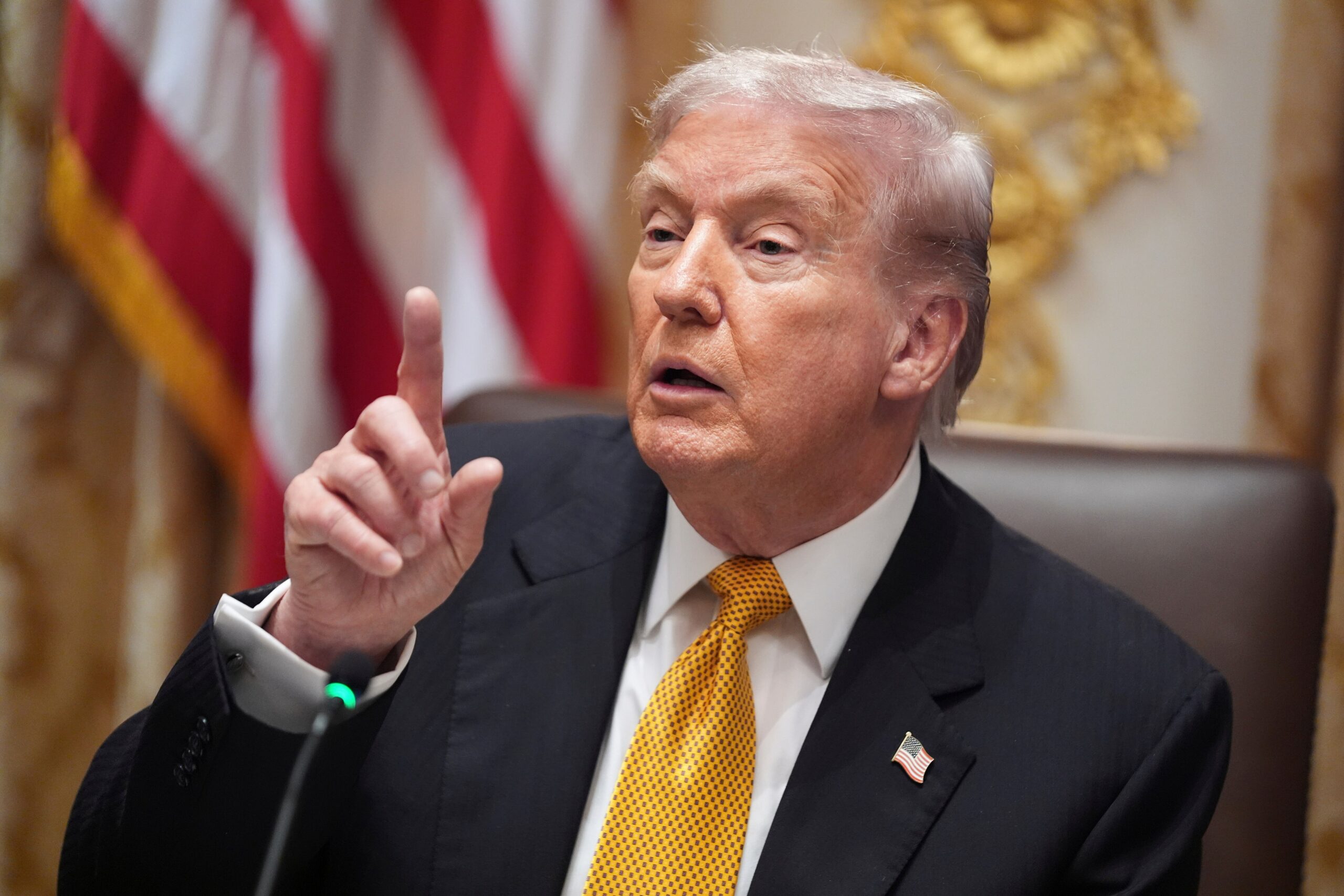
US President Donald Trump signed the proclamation on Tuesday, imposing a complete travel ban on seven additional countries and Palestinian travel document holders, while enforcing partial entry restrictions on 15 others. The administration cited concerns related to National Security, public safety, inadequate identity verification systems, civil instability, terrorism risks, and elevated visa overstay rates.
As a result of this decision, the United States now maintains some form of travel restriction or entry limitation on citizens from 39 countries worldwide.
Countries Facing a Complete Travel Ban
According to an official White House fact sheet, the new proclamation fully bans travel from the following countries:
| Category | Countries / Groups |
|---|---|
| Newly Added (Full Ban) | Burkina Faso, Mali, Niger, South Sudan, Syria |
| Upgraded to Full Ban | Sierra Leone, Laos |
| Special Category | Palestinians holding travel documents issued by the Palestinian Authority |
Sierra Leone and Laos were previously subject to limited entry allowances but have now been moved into the full travel ban category under the revised order.
The expanded ban and restrictions are scheduled to take effect from January 1, giving airlines, immigration authorities, and affected individuals limited time to prepare.
Background: Expansion Was Signaled Earlier
The announcement follows comments made two weeks ago by Homeland Security Secretary Kristi Noem, who confirmed that the Trump administration planned to expand the travel restriction list from 19 to more than 30 countries. At the time, however, she did not disclose specific names or confirm the final number.
The latest proclamation fulfills that warning, pushing the number to 39 countries—one of the largest travel restriction expansions in US history.
Countries Already Under US Travel Bans
Before the latest announcement, the United States had already imposed travel bans on 12 countries:
Afghanistan, Burma (Myanmar), Chad, Republic of the Congo, Equatorial Guinea, Eritrea, Haiti, Iran, Libya, Somalia, Sudan, and Yemen.
Nationals from these countries remain prohibited from entering the United States under existing policies, and their status remains unchanged under the new order.
Triggering Events Behind the Crackdown
The Trump administration’s decision comes amid heightened security concerns following two major incidents.
On November 26, two US National Guard troops were killed in Washington, DC. The attacker was identified as an Afghan national who had previously worked with a CIA-linked unit and entered the US after the 2021 withdrawal from Afghanistan. He was granted asylum earlier this year following security screening. The administration has since pointed to this case as evidence of systemic weaknesses in vetting procedures.
The move also follows a deadly Islamic State ambush in Syria on December 13, which killed two US soldiers and an American civilian interpreter. The incident further strengthened the administration’s argument for tightening entry controls from conflict-affected regions.
15 Countries Now Facing Partial Entry Restrictions
In addition to the complete bans, the proclamation imposes partial entry restrictions on nationals from 15 new countries:
| Region | Countries Under Partial Restrictions |
|---|---|
| Africa & Caribbean | Angola, Antigua and Barbuda, Benin, Côte d’Ivoire, Dominica, Gabon, The Gambia, Malawi, Mauritania, Nigeria, Senegal, Tanzania, Zambia, Zimbabwe |
| Pacific | Tonga |
Nationals of Burundi, Cuba, Togo, and Venezuela will continue to face previously imposed partial entry restrictions.
The only country to see any easing under the new order is Turkmenistan. Restrictions on non-immigrant visas for Turkmen nationals have been lifted, marking a rare rollback amid an otherwise sweeping crackdown.
Why the US Says These Restrictions Are Necessary
The White House stated that the expanded restrictions are based on multiple risk indicators, including:
- High rates of B-1/B-2 tourist visa overstays
- Elevated student visa violations
- Ongoing domestic conflict and governance failures
- Active terrorist threats and extremist activity
- Weak or unreliable passport and civil documentation systems
Countries such as Burkina Faso, Mali, Niger, and Nigeria were specifically flagged by the Department of Homeland Security for active terrorism concerns. Syria was singled out due to the absence of a reliable central authority capable of issuing verifiable travel and civil documents after years of civil war.
“The restrictions and limitations imposed by the Proclamation are necessary to prevent the entry of foreign nationals about whom the United States lacks sufficient information to assess the risks they pose,” the White House fact sheet said, citing national security, counterterrorism, and immigration enforcement objectives.
Exemptions and Waivers
The proclamation includes exemptions for:
- Lawful permanent residents (green card holders)
- Current visa holders
- Diplomats and international organization officials
- Professional athletes and teams
- Individuals whose entry serves US national interests
While maintaining case-by-case waivers, the order narrows broader family-based immigrant visa exemptions, which the administration claims have been vulnerable to fraud.
With the expanded travel ban set to take effect in January, the move is expected to spark international criticism, legal challenges, and renewed debate over the balance between national security and humanitarian obligations.
For breaking news and live news updates, like us on Facebook or follow us on Twitter and Instagram. Read more on Latest World on thefoxdaily.com.





COMMENTS 0