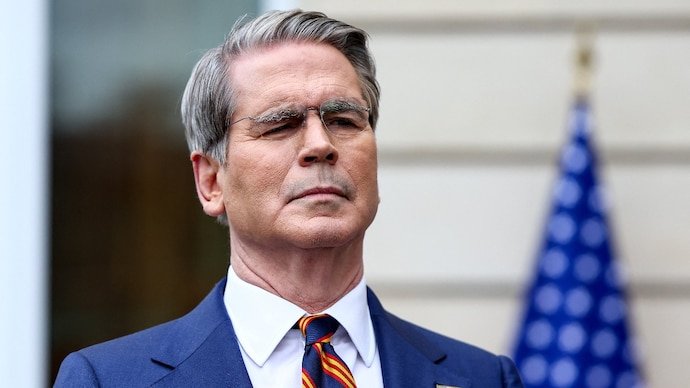
As the conflict involving Iran shows no signs of ending soon, the financial cost of prolonged military operations has come under intense scrutiny. Amid growing concerns, the United States government has sought to reassure citizens that it has sufficient resources to sustain the war effort.
US Treasury Secretary Scott Bessent has stated that the country possesses “plenty of money” to continue funding military operations, even as the administration prepares to approach congress for additional financial support.
US Assures Financial Strength Despite Ongoing War
Speaking during an interview on NBC’s Meet the Press, Bessent emphasized that the war effort is financially manageable. He described the anticipated request for additional funding as “supplemental,” suggesting it is meant to strengthen future readiness rather than cover immediate shortfalls.
“We have plenty of money to fund this war,” Bessent stated, aiming to calm fears about the economic strain of continued military engagement.
The Treasury Secretary also stressed that the administration does not plan to raise taxes to support the war, dismissing such concerns during the interview.
No Tax Hike Planned, But Funding Questions Remain
While Bessent firmly rejected the possibility of tax increases, he did not provide clear details on how additional funding would be sourced. This lack of clarity has raised questions among economists and policymakers.
The administration has indicated that the supplemental funding request is intended to ensure that US forces remain fully equipped, especially if the conflict intensifies in the coming months.
However, reliance on alternative revenue sources, such as tariffs, may not be as viable as before, adding to the uncertainty surrounding long-term financing strategies.
| Key Issue | Details |
|---|---|
| Statement by Treasury Secretary | “Plenty of money” available for war funding |
| Funding Type | Supplemental (additional request to Congress) |
| Tax Policy | No tax increases planned |
| Concerns | Lack of clarity on funding sources |
| Estimated Costs | Billions spent in early stages |
| Political Response | Growing skepticism in Congress |
Congressional Pushback on Additional Spending
The administration’s expected request for hundreds of billions of dollars in additional funding has already sparked resistance in Congress. Lawmakers from both Democratic and Republican parties have expressed concerns over the scale of the proposed spending.
Some legislators have called for greater transparency, demanding detailed explanations of how the funds will be used and whether such a large allocation is justified.
Others have warned about the long-term economic impact of prolonged military engagement, particularly given the already significant defense budgets approved in recent years.
Rising Costs of Prolonged Conflict
Early estimates suggest that the conflict is rapidly becoming one of the most expensive military operations in recent US history. Officials have indicated that billions of dollars were spent within just the initial days of the conflict.
As the war continues, operational costs — including logistics, deployment, and equipment — are expected to rise significantly, placing additional strain on government finances.
Economic Impact Felt by Citizens
The effects of the conflict are not limited to government spending. Rising geopolitical tensions, particularly around the Strait of Hormuz, have driven global oil prices higher.
As a result, fuel costs have increased, and American consumers are beginning to feel the impact at gas stations. This has added to public pressure on the administration to justify both the war and its economic consequences.
Defense Department Stresses Need for Preparedness
US Defense Secretary Pete Hegseth has supported the call for additional funding, stating that it is essential to maintain operational readiness and prepare for future contingencies.
He noted that the final funding requirement could change depending on how the conflict evolves, indicating that flexibility will be key in managing both military and financial strategies.
Uncertain Future Ahead
Despite assurances from the administration, questions remain about the long-term sustainability of the war effort. With rising costs, political opposition, and economic pressures, the financial dimension of the conflict is becoming as critical as the military one.
As the situation develops, the balance between National Security priorities and economic stability will likely remain at the center of policy debates in Washington.
For breaking news and live news updates, like us on Facebook or follow us on Twitter and Instagram. Read more on Latest World on thefoxdaily.com.






COMMENTS 0