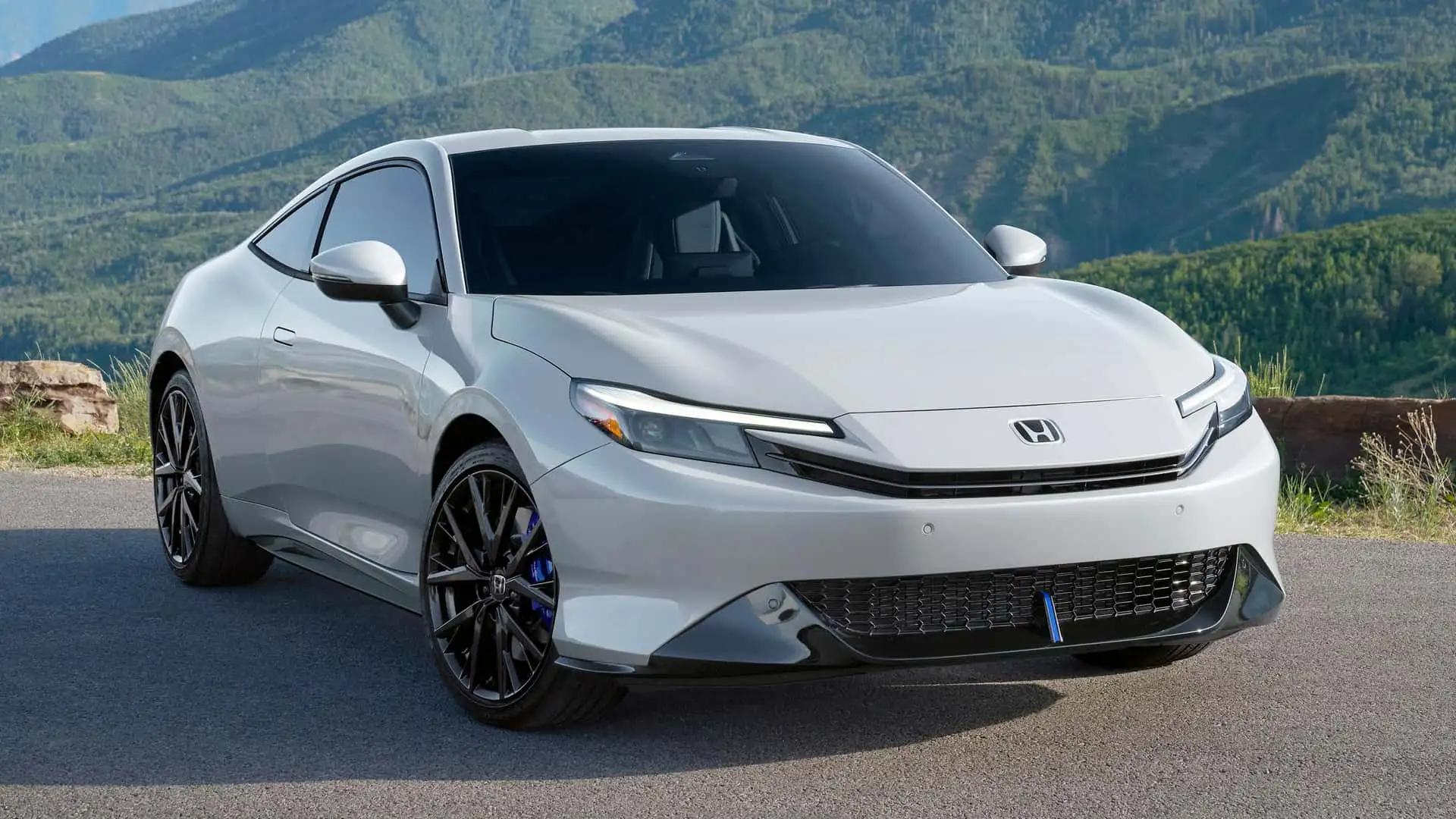
Choosing a car color may seem like a personal decision, but nationwide buying trends tell a very different story. According to the latest market analysis based on more than 22 million used vehicles sold from model years 1996 through 2026, American buyers overwhelmingly prefer neutral shades over vibrant colors.
White remains the country’s most popular vehicle color, followed closely by black and gray. Together, these three colors account for nearly three-quarters of the U.S. automotive market, highlighting a decades-long shift toward understated, practical, and resale-friendly finishes.
While enthusiasts continue to celebrate bold reds, blues, yellows, and greens, mainstream buyers are increasingly choosing colors that are easier to maintain, widely available, and generally considered safer investments when it’s time to sell or trade in a vehicle.
America’s Most Popular Car Colors in 2026
The latest market study shows that neutral colors dominate nearly every vehicle segment in the United States.
| Rank | Car Color | Market Share |
|---|---|---|
| 1 | White | 25.7% |
| 2 | Black | 23.4% |
| 3 | Gray | 22.9% |
| 4 | Blue | 9.1% |
| 5 | Silver | 8.4% |
| 6 | Red | 7.0% |
| 7 | Green | 2.2% |
| 8 | Brown | 0.4% |
| 9 | Beige | 0.4% |
| 10 | Orange | 0.3% |
The numbers reveal that grayscale colors—white, black, gray, and silver—collectively represent an astonishing 80.4% of the American automotive market.
Why White Continues to Rule the Roads
White has held the top position for decades, and its popularity continues to grow. It now represents more than one-quarter of all vehicles in the United States.
Several factors explain why consumers consistently choose white:
- Reflects sunlight and keeps interiors cooler in warm climates.
- Makes dirt, scratches, and swirl marks less noticeable.
- Widely available across every manufacturer and vehicle segment.
- Offers strong resale appeal.
- Provides a clean, premium appearance.
Automakers also benefit because white paint is relatively straightforward to manufacture at scale, making it a practical option for mass production.
Gray Is the Biggest Success Story
Although white remains the overall leader, gray has experienced the most dramatic rise in popularity over the past three decades.
Its market share has grown from just 3.6% in the mid-1990s to 22.9% today—an increase of more than 500%.
| Color | 1996 Share | 2026 Share | Trend |
|---|---|---|---|
| Gray | 3.6% | 22.9% | Massive Increase |
| White | 21.1% | 25.7% | Steady Growth |
| Black | Strong Demand | 23.4% | Continued Growth |
Modern metallic gray finishes have become especially popular among luxury brands, performance vehicles, and electric cars, helping transform gray from an overlooked color into one of the industry’s biggest success stories.
What Happened to Bright Car Colors?
While neutral colors have flourished, traditional vibrant shades have steadily declined.
Red, once one of America’s favorite automotive colors, has experienced one of the sharpest drops in popularity.
| Color | Current Market Share | Overall Trend |
|---|---|---|
| Blue | 9.1% | Slight Decline |
| Red | 7.0% | Major Decline |
| Green | 2.2% | Significant Decline |
| Brown | 0.4% | Rare Choice |
| Beige | 0.4% | Rare Choice |
| Orange | 0.3% | Slight Growth |
Blue remains the most popular non-neutral color, but it accounts for less than one-tenth of all vehicles sold.
Orange Is the Unexpected Winner
One surprising finding from the study is that orange is the only colorful paint option to gain market share over the past three decades.
Although its overall share remains extremely small, the increase suggests buyers of sports cars and specialty vehicles are becoming more willing to choose bold factory colors.
This trend reflects a growing demand for individuality among performance-car buyers.
Vehicle Type Influences Color Choice
Car color preferences vary depending on the type of vehicle consumers purchase.
| Vehicle Type | Most Popular Color | Key Trend |
|---|---|---|
| Pickup Trucks | White | Strong preference for neutral colors |
| SUVs | White | Nearly 80% grayscale colors |
| Passenger Cars | Gray | Gray overtakes white |
| Sports Cars | Gray | Highest percentage of colorful options |
Sports cars remain the most colorful category, with buyers showing greater interest in blue, yellow, orange, and purple compared to owners of SUVs and trucks.
Why Buyers Continue Choosing Neutral Colors
Several practical reasons explain why grayscale colors dominate modern vehicle sales.
- Higher resale values in many markets.
- Lower perceived maintenance requirements.
- Timeless styling that ages well.
- Better inventory availability at dealerships.
- Greater appeal to future buyers.
Many consumers view a vehicle as a financial investment rather than simply a form of personal expression, making neutral colors the safer long-term choice.
The Role of Automakers
Manufacturers also influence buying habits by limiting the availability of bright paint options.
Many entry-level trims offer only white, black, gray, and silver as standard colors, while premium shades often require additional payment.
This pricing strategy naturally encourages customers to stick with neutral finishes, reinforcing current market trends.
Do Car Colors Affect Resale Value?
Vehicle color can influence resale value, although the impact varies depending on the segment.
Neutral colors generally attract a larger pool of buyers, helping vehicles sell more quickly.
Interestingly, certain rare colors—particularly yellow on sports cars—have historically performed exceptionally well in resale markets because of their limited availability and enthusiast appeal.
However, for mainstream family vehicles, white, black, gray, and silver continue to offer the broadest resale appeal.
Will Color Trends Change in the Future?
While neutral shades are expected to remain dominant, emerging automotive trends could gradually introduce greater color diversity.
Electric vehicles, premium SUVs, and limited-edition performance models increasingly feature exclusive paint finishes that help manufacturers differentiate their products.
Matte finishes, satin paints, two-tone combinations, and customized factory colors are also becoming more common in premium segments.
Although these options may not dramatically alter overall market statistics, they indicate that consumers still appreciate individuality when given attractive choices.
Key Takeaways
- White remains America’s most popular vehicle color with a 25.7% market share.
- Black and gray complete the top three, together accounting for nearly 72% of all vehicles.
- Grayscale colors represent more than 80% of the overall automotive market.
- Gray has experienced the fastest growth over the past three decades.
- Blue remains the most popular colorful option.
- Orange is the only non-neutral color to gain market share during the period studied.
- Sports car buyers continue to show the greatest interest in vibrant paint colors.
Conclusion
The latest U.S. car color trends demonstrate that practicality continues to outweigh personality for most buyers. White, black, gray, and silver dominate dealership lots because they offer timeless styling, broad resale appeal, and widespread availability.
Yet the growing interest in unique finishes for sports cars and premium vehicles suggests that automotive enthusiasm remains alive. While America’s roads may still be filled primarily with grayscale vehicles, buyers seeking individuality continue to prove there’s still room for bold colors in an increasingly neutral automotive landscape.
For breaking news and live news updates, like us on Facebook or follow us on Twitter and Instagram. Read more on Latest Automobile on thefoxdaily.com.

COMMENTS 0