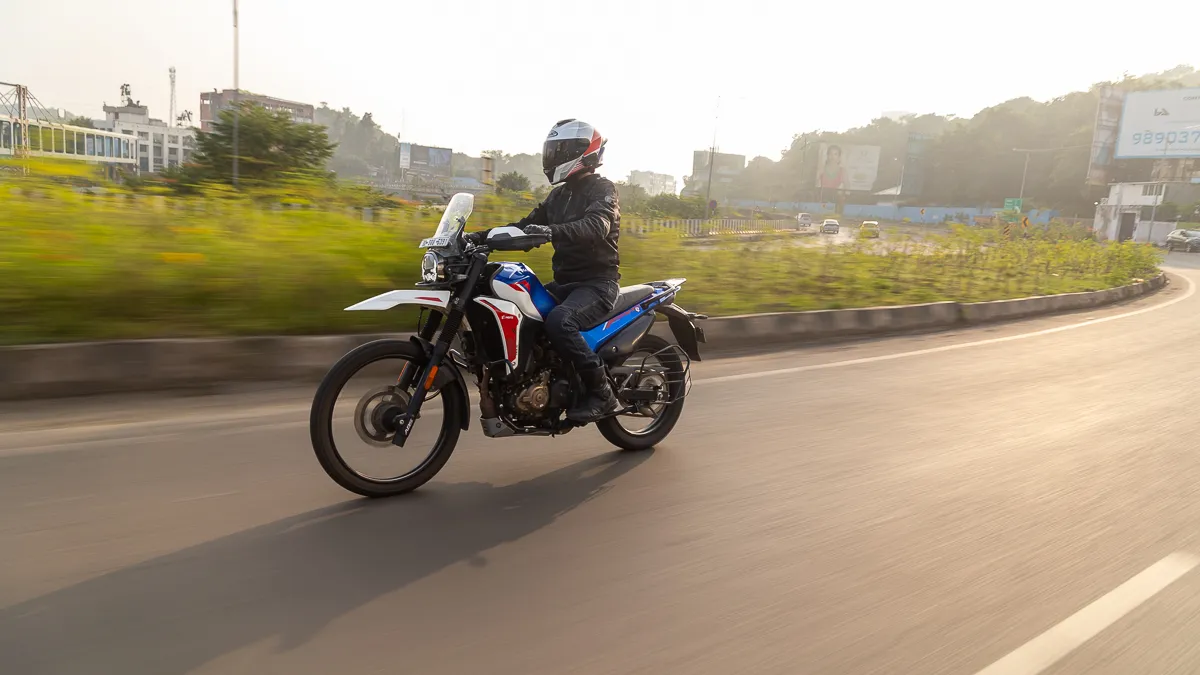
Moving from a two-wheeler to your first car is an exciting upgrade, but it also brings a significant increase in ownership costs. Higher fuel consumption, more expensive insurance, additional maintenance and parking charges can make owning a car considerably costlier than running a motorcycle. In some cases, monthly running expenses can increase almost threefold.
There are also a few important administrative changes to consider. You will need to add a Light Motor Vehicle (LMV) category to your existing driving licence, arrange a separate insurance policy and understand how your existing no-claim bonus (NCB) works. Here is what you should know before making the switch.
Running Costs: Car vs Motorcycle
Fuel consumption is one of the biggest differences between owning a motorcycle and a car. A typical commuter motorcycle delivers around 55-70kmpl, while a regular petrol hatchback generally returns 14-18kmpl. In heavy city traffic, a car’s fuel efficiency can fall to around 10-14kmpl.
Consider a monthly running distance of 1,000km and a petrol price of approximately Rs 100 per litre. A motorcycle delivering 50kmpl would consume 20 litres of petrol, costing around Rs 2,000. A car returning 15kmpl would require approximately 67 litres, taking the monthly fuel bill to around Rs 6,700.
This translates to roughly Rs 2 per kilometre for the motorcycle and Rs 6.70 per kilometre for the car. According to BikeDekho’s fuel calculator, commuter motorcycles typically cost around Rs 1-2 per kilometre to run, depending on fuel efficiency and petrol prices.
Fuel, however, is only one part of the ownership expense. Cars generally have higher servicing costs, more expensive replacement tyres and batteries, and additional expenses such as toll charges and parking fees. Insurance is another major annual expense, with car premiums typically being significantly higher than those for commuter motorcycles.
Vehicle Insurance Rules for Cars and Bikes
Car and motorcycle insurance follow the same basic structure. A standard motor insurance policy can include two types of protection: third-party liability cover and own-damage cover.
Third-party insurance pays for injuries or property damage caused to another person by the insured vehicle. Own-damage insurance covers damage to your own vehicle. While third-party insurance is compulsory for vehicles used on public roads in India, own-damage cover is optional.
Under the Motor Vehicles Act, 1988, every car and two-wheeler must have valid third-party insurance. Driving without the mandatory cover can attract a fine of Rs 2,000 for a first offence and Rs 4,000 for a subsequent offence. The law also provides for imprisonment of up to three months.
According to the supplied information, the Supreme Court directed on August 4, 2026, that new private cars carry four years of third-party insurance, while new Two-Wheelers require six years of cover. This is third-party protection only and does not cover damage to your own vehicle.
For protection against damage to your car, you will need a comprehensive policy combining third-party and own-damage cover. You can also purchase a standalone own-damage policy alongside the mandatory third-party insurance.
Third-Party Insurance Premium: Car vs Bike
The Insurance Regulatory and Development Authority of India (IRDAI) regulates motor insurance in the country. Third-party premiums are determined according to engine capacity, with different rates applying to different vehicle categories and engine-size brackets.
| Vehicle | Engine capacity | Annual premium before 18% GST |
|---|---|---|
| Bike or scooter | 75cc to 150cc | Rs 714 |
| Bike | 150cc to 350cc | Rs 1,366 |
| Bike | Above 350cc | Rs 2,804 |
| Car | Up to 1,000cc | Rs 2,094 |
| Car | 1,001cc to 1,500cc | Rs 3,416 |
| Car | Above 1,500cc | Rs 7,897 |
For someone upgrading from a 110cc scooter such as a Honda Activa to a 1,200cc car, the annual third-party premium increases from Rs 714 to Rs 3,416, before GST. That is nearly five times the two-wheeler premium.
These figures cover only compulsory third-party insurance. The overall premium will be higher if you choose comprehensive insurance with own-damage protection and additional benefits.
According to estimates from Square Insurance, insuring a small car can cost approximately Rs 10,000-15,000 annually in 2026. Third-party-only cover may cost around Rs 2,000-3,000, while the additional expense for comprehensive insurance depends on the vehicle’s value, selected add-ons and applicable taxes.
Why Your Bike’s No-Claim Bonus Does Not Transfer to a Car
The no-claim bonus is a discount offered on the own-damage premium when you complete an insurance year without making a claim. Although the NCB belongs to the policyholder rather than the vehicle, it cannot be freely transferred between different vehicle categories.
Under the India Motor Tariff rules described in the supplied information, an NCB earned on a two-wheeler can be transferred to another two-wheeler, but not to a private car. Therefore, when you purchase your first car, its insurance policy will begin with zero NCB.
You can build a separate NCB on the car by maintaining a claim-free insurance record. The discount generally starts at 20% after the first claim-free year and can increase to 50% after five consecutive claim-free years.
If you plan to keep your motorcycle after buying a car, remember to renew its insurance before it expires. A break in the policy can affect the NCB you have accumulated. If you sell the motorcycle, request an NCB certificate from your insurer so that you can use the discount when purchasing insurance for another two-wheeler.
Car Insurance Add-Ons Worth Considering
When moving from a motorcycle to a car, you may need some time to adjust to the vehicle’s larger dimensions. Judging the left side, parking in tight spaces and understanding the car’s ground clearance can take practice.
Optional insurance add-ons can provide additional financial protection. Three covers worth considering for a first-time car owner are:
- Zero depreciation cover: This reduces the deduction for depreciation on replaced parts when settling an eligible own-damage claim. It can help lower your out-of-pocket repair expenses.
- Engine protection cover: This can cover certain types of engine damage, including damage caused by water ingress during flooding, subject to the policy’s terms and exclusions.
- Return to invoice cover: This can help you receive the vehicle’s original invoice value if it is stolen or declared a total loss, subject to policy conditions.
These add-ons increase the insurance premium, so choose them according to your requirements and budget. Before accepting the policy, check that all selected add-ons are listed correctly. Also verify the engine and chassis numbers against the vehicle’s documents.
Adding a Car to Your Existing Bike Driving Licence
If you already hold a valid motorcycle driving licence, you do not need to apply for an entirely new licence to drive a car. You can apply to add the Light Motor Vehicle (LMV) category to your existing licence.
The Parivahan Sewa portal allows motorcycle licence holders to apply for an additional vehicle category. The following steps are based on the Delhi Transport Department’s process, and fees may differ across states.
- Step 1: Apply for an LMV learner’s licence through the Parivahan Sewa portal. The stated fee in Delhi is Rs 500.
- Step 2: Pass the computer-based test covering road signs and traffic rules. The supplied information specifies a minimum score of 60%.
- Step 3: Practise driving for at least 30 days. The learner’s licence remains valid for six months.
- Step 4: Apply through Form 8 to add the LMV category to your existing licence. The stated Delhi fee is Rs 1,150, including the smart card.
- Step 5: Appear for the car driving test at the Regional Transport Office (RTO).
Applicants above 40 years of age may also need to submit a medical certificate in Form 1A, according to the Telangana Transport Department’s requirements. Medical documentation and application procedures can vary depending on the state.
Importantly, having a motorcycle licence does not automatically allow you to drive a car independently. You must obtain the appropriate learner’s licence and follow the applicable learner-driver rules until the LMV category is added to your permanent driving licence.
Renewal Dates to Track for Your Bike and Car
Owning both a motorcycle and a car means keeping track of separate insurance renewal dates. A new private car generally comes with a four-year third-party insurance policy, while its own-damage cover is usually purchased for one year. The motorcycle policy continues to follow its own renewal schedule.
Before taking delivery of a new car, ask the dealer to confirm the duration of third-party insurance and the expiry date of the own-damage cover in writing. Check that the engine and chassis numbers mentioned in the insurance policy match the details on the registration certificate (RC).
Keeping a record of renewal dates can help prevent accidental policy lapses and ensure that both vehicles remain insured.
Frequently Asked Questions
Is bike insurance more expensive than car insurance?
In absolute terms, car insurance generally costs more because cars have higher market values and repair expenses. However, when premiums are compared with the purchase price of the vehicle, motorcycle insurance can represent a higher proportion of the vehicle’s value. HDFC ERGO also notes that two-wheelers can carry higher risk exposure because riders have less physical protection in an accident.
Does the four-year third-party insurance rule apply to used cars?
No. The four-year third-party insurance requirement applies to new private cars. A used car must also have valid third-party insurance, but its policy needs to be renewed according to its expiry date. The renewal date is mentioned in the insurance document.
Do electric cars pay less for third-party insurance?
Yes. According to Insure24’s summary of the applicable rates, private electric cars receive a 15% discount on third-party insurance premiums, while hybrid electric cars receive a 7.5% discount.
What does LMV mean on a driving licence?
LMV stands for Light Motor Vehicle. It is the licence category used for private cars. A motorcycle licence carries a separate vehicle-category entry, so you must add LMV before driving a car independently on public roads.
Is a CNG car cheaper to run than a petrol car?
Generally, yes. A CNG car delivering around 22-26km per kg can cost approximately Rs 3.50-4 per kilometre in fuel, depending on local CNG prices. A small petrol car may cost around Rs 6-7.50 per kilometre. Actual running costs depend on fuel prices, vehicle efficiency and driving conditions.
Key Takeaways: What Changes When You Move From a Bike to a Car?
- Higher fuel expenses: At 1,000km per month, a motorcycle returning 50kmpl may cost around Rs 2,000 in petrol, compared with approximately Rs 6,700 for a car returning 15kmpl, assuming petrol costs Rs 100 per litre.
- More expensive insurance: A car with an engine capacity of 1,001cc to 1,500cc has a listed annual third-party premium of Rs 3,416 before GST, compared with Rs 714 for a 75cc-150cc two-wheeler.
- No transfer of bike NCB: Your existing two-wheeler no-claim bonus cannot be transferred to a car. The car insurance policy starts with zero NCB, while your bike’s bonus remains available for another two-wheeler.
- Additional licence category: You need to add the LMV category to your existing motorcycle licence. This involves obtaining a learner’s licence, completing the required practice period and passing a car driving test.
- More ownership expenses: Servicing, tyres, batteries, tolls and parking can add considerably to the monthly cost of owning a car.
Moving from a motorcycle to a car brings greater comfort and convenience, but it also requires a bigger ownership budget. Planning for fuel, insurance, maintenance and licence-related expenses before buying your first car can help you make a more informed decision.
For breaking news and live news updates, like us on Facebook or follow us on Twitter and Instagram. Read more on Latest Automobile on thefoxdaily.com.


COMMENTS 0