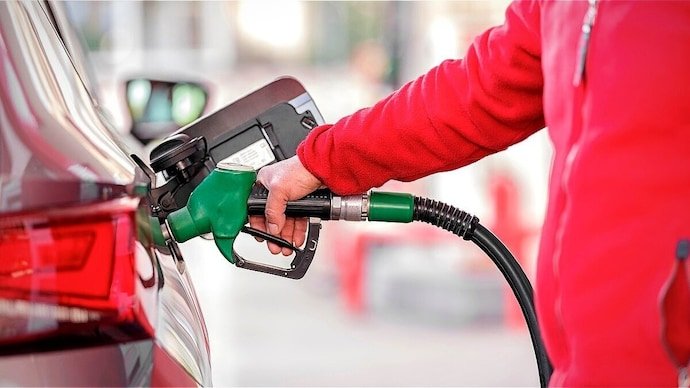
The Supreme Court has proposed a series of measures aimed at improving compliance with India‘s mandatory motor insurance laws, including an ambitious pilot project that could see petrol pumps check whether a vehicle has valid insurance before supplying petrol or diesel.
The proposal, which has been placed before the Insurance Regulatory and Development Authority of India (IRDAI) and the Ministry of Road Transport and Highways (MoRTH), forms part of a broader effort to reduce the number of uninsured vehicles on Indian roads. Alongside fuel station verification, the court has suggested integrating Automatic Number Plate Recognition (ANPR) cameras with insurance databases, providing traffic police with digital insurance verification tools and extending the compulsory third-party insurance period for newly purchased vehicles.
At this stage, none of these proposals have been implemented. The court has asked the concerned authorities to examine their feasibility through a pilot project and develop practical mechanisms for enforcement.
What Is the ‘No Insurance, No Fuel’ Proposal?
The most significant recommendation involves a pilot programme under which petrol pumps would verify whether a vehicle has valid insurance before dispensing fuel.
If the system determines that a vehicle does not have active insurance coverage, the proposed mechanism could allow the fuel station to refuse the sale of petrol or diesel until the required insurance is obtained.
The proposal is intended to strengthen compliance with mandatory third-party motor insurance laws by introducing insurance verification into a routine activity that almost every vehicle owner must undertake buying fuel.
However, it is important to note that this remains a proposal for a pilot project. There is currently no nationwide rule preventing uninsured vehicles from purchasing fuel.
Why Is the Supreme Court Suggesting This Measure?
Motor insurance, particularly third-party insurance, is a legal requirement for vehicles operating on public roads in India. Despite this, authorities have long faced challenges in ensuring that vehicle owners renew insurance after the initial mandatory coverage expires.
The court’s proposal reflects the view that existing enforcement mechanisms alone may not be sufficient to identify uninsured vehicles consistently.
By introducing insurance checks at multiple points including fuel stations, highways and roadside inspections the proposed framework aims to improve compliance without relying solely on conventional traffic enforcement.
How Could Insurance Verification Work at Petrol Pumps?
Although implementation details have not yet been finalized, the Supreme Court has asked IRDAI and the Ministry of Road Transport and Highways to develop a pilot model.
Such a system could potentially involve digital verification of a vehicle’s insurance status before fuel is dispensed.
The authorities have also been asked to examine how such a mechanism could function without causing unnecessary delays for motorists or disrupting normal operations at petrol stations.
The pilot project is expected to help determine whether the concept is practical before any wider implementation is considered.
ANPR Cameras Could Automatically Detect Uninsured Vehicles
Another major proposal involves expanding the role of Automatic Number Plate Recognition (ANPR) cameras.
The Supreme Court has suggested linking these cameras with:
- The VAHAN vehicle database.
- Insurance databases.
- Relevant enforcement systems.
Once integrated, ANPR cameras could automatically identify vehicles operating without valid insurance.
The system could then generate electronic challans against such vehicles without requiring immediate physical intervention by traffic authorities.
ANPR Technology is already used in many locations across India to monitor violations such as speeding, red-light jumping and driving in prohibited lanes. The proposed integration would expand its role into insurance compliance.
Traffic Police Could Verify Insurance Instantly
The court has also recommended equipping traffic police officers with mobile applications or handheld digital devices capable of checking a vehicle’s insurance status during roadside inspections.
Instead of depending on paper insurance documents, officers could instantly verify coverage by accessing connected databases.
This approach could:
- Reduce manual verification.
- Improve enforcement efficiency.
- Minimize disputes over expired or unavailable documents.
- Enable faster roadside inspections.
Such digital verification would align with broader efforts to modernize traffic enforcement through technology.
Longer Mandatory Insurance for New Vehicles
In addition to strengthening enforcement, the Supreme Court has proposed extending the mandatory third-party insurance period for newly purchased vehicles.
If implemented, the proposed changes would be:
| Vehicle Category | Current Mandatory Third-Party Insurance | Proposed Period |
|---|---|---|
| New Private Cars | 3 Years | 4 Years |
| New Two-Wheelers | 5 Years | 6 Years |
The proposal seeks to reduce instances where vehicle owners unintentionally or deliberately allow insurance policies to lapse shortly after purchasing a vehicle.
Why Third-Party Insurance Matters
Third-party motor insurance provides financial protection in situations where a vehicle causes injury, death or property damage to another person.
Unlike comprehensive insurance, which may also cover damage to the owner’s own vehicle depending on the policy, third-party insurance primarily protects victims affected by road accidents.
Maintaining valid insurance is therefore not only a legal obligation but also an important safeguard for road users WHO may otherwise face lengthy legal and financial challenges following an accident involving an uninsured vehicle.
Technology at the Centre of Road Safety Enforcement
The proposals indicate a growing emphasis on technology-driven enforcement rather than relying exclusively on physical checkpoints.
If adopted, authorities could identify uninsured vehicles through multiple channels, including:
- Fuel purchases.
- ANPR camera networks.
- Routine traffic inspections.
- Integrated vehicle databases.
This multi-layered approach could improve compliance by increasing the likelihood that uninsured vehicles are detected during everyday use rather than only during occasional traffic checks.
Potential Benefits of the Proposed Measures
If successfully implemented, the proposals could provide several practical advantages.
- Higher compliance with mandatory motor insurance laws.
- Improved compensation prospects for accident victims.
- Faster identification of uninsured vehicles.
- Greater use of digital verification systems.
- Reduced dependence on physical insurance documents.
The effectiveness of these measures, however, will depend on reliable database integration, efficient digital Infrastructure and smooth coordination among multiple government agencies.
Challenges Authorities May Need to Address
Before any nationwide rollout, authorities are expected to evaluate several operational issues through the proposed pilot project.
These could include:
- Avoiding long queues at petrol pumps.
- Ensuring real-time insurance database updates.
- Preventing technical failures during verification.
- Maintaining uninterrupted fuel supply for eligible vehicles.
- Establishing clear procedures for resolving verification errors.
Addressing these challenges will be essential if the proposed system is to function efficiently on a large scale.
Timeline of the Proposed Road Safety Measures
| Proposal | Current Status |
|---|---|
| Insurance verification at petrol pumps | Pilot project proposed |
| ANPR integration with insurance databases | Proposed by the Supreme Court |
| Digital insurance verification tools for traffic police | Under proposal |
| Extended mandatory third-party insurance for new vehicles | Recommended by the Supreme Court |
What Could Happen Next?
The next stage will involve IRDAI and the Ministry of Road Transport and Highways examining the feasibility of the proposed pilot project and developing an implementation plan. Their assessment is expected to consider operational practicality, technological integration and the potential impact on fuel stations, motorists and enforcement agencies.
If the pilot demonstrates that insurance verification can be carried out efficiently without disrupting everyday fuel purchases, the government could evaluate broader implementation in the future. Similarly, recommendations relating to ANPR integration, digital verification tools for traffic police and longer mandatory insurance coverage for new vehicles will require further consideration before any formal policy changes are introduced.
For now, vehicle owners are not subject to any new insurance verification requirements at petrol pumps. However, the Supreme Court’s recommendations signal a broader shift toward technology-enabled Road Safety enforcement, with greater emphasis on ensuring that vehicles operating on public roads comply with mandatory insurance obligations.
For breaking news and live news updates, like us on Facebook or follow us on Twitter and Instagram. Read more on Latest India on thefoxdaily.com.






COMMENTS 0