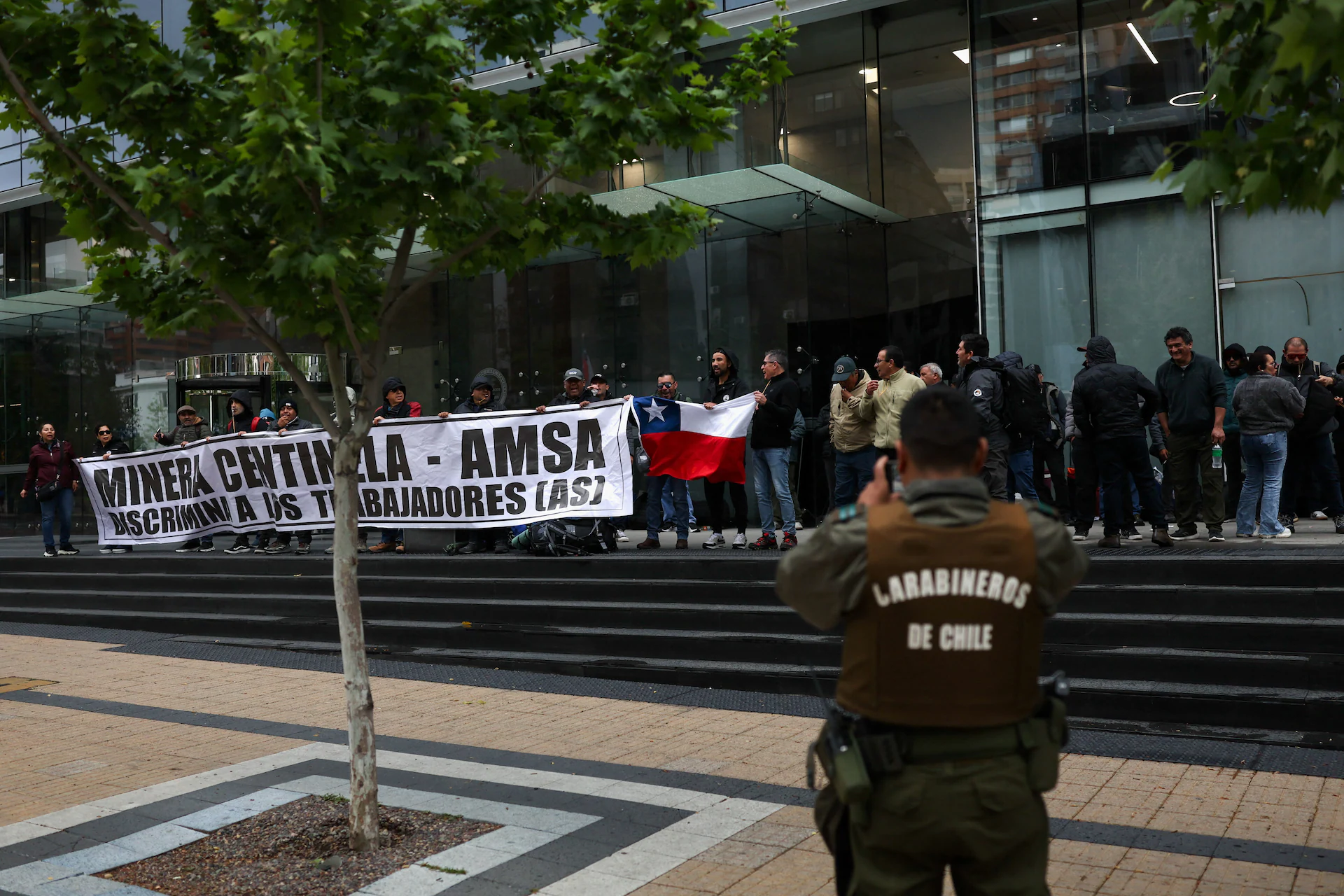
Workers represented by two unions at Chile’s Centinela copper mine have ratified a new collective bargaining agreement with Antofagasta Minerals, bringing an end to a strike that began on October 7. The unions and the company confirmed the agreement on Sunday, October 18, following negotiations aimed at resolving a dispute over employment benefits.
The strike involved members of the Distrito Centinela and Minera Esperanza unions, who had stopped work after contract negotiations broke down. Their central demand was equal benefits for workers regardless of which union they belonged to.
The resolution removes a source of uncertainty for the Chilean copper operation, which is part of Antofagasta Minerals, one of the country’s major mining companies. The dispute had also drawn attention from global copper markets, where concerns about potential supply disruptions have supported prices.
Workers Approve New Collective Bargaining Agreement
The two unions announced that participating workers had overwhelmingly approved the proposed collective agreement. According to their statement, 94.49% of participating members voted in favour of the deal, allowing the collective bargaining process to conclude successfully.
“The Distrito Centinela and Minera Esperanza unions announce the successful conclusion of our collective bargaining process, after 94.49% of participating workers voted to approve the proposed collective agreement,” the unions said.
Antofagasta Minerals subsequently issued its own statement confirming that an agreement had been reached. The approval ended the industrial action, which had continued for more than a week after the original contract discussions failed to produce a settlement.
The dispute centred on workers’ demands for equal benefits across the two unions. Differences in employment conditions and benefits can become major points of disagreement during collective bargaining, particularly at large mining operations where pay and workplace arrangements affect hundreds of employees.
Negotiations Resume After Strike Begins
The strike started on October 7, following the breakdown of contract negotiations between the unions and the company. More than 700 workers from Distrito Centinela and Minera Esperanza participated in the industrial action.
Both sides returned to the negotiating table on Tuesday, October 13, in an effort to resolve the dispute. The renewed discussions eventually produced a proposed agreement that union members voted to accept.
The negotiations took place amid pressure to find a solution to the deadlock. Three workers had begun a hunger strike in an effort to push the unions and the company towards an agreement.
The approval of the new contract brought the immediate dispute to a close. However, the available statements did not provide detailed information about the individual benefits included in the final agreement or how the revised terms would be implemented.
Centinela Maintained Normal Production During Strike
Despite the industrial action, Antofagasta said it had managed to maintain production at normal levels throughout the dispute. The company said on Wednesday that the strike had not caused a negative impact on operations at the mine.
Centinela produced 240,400 metric tonnes of copper in 2025, making it a significant contributor to Chile’s mining industry. Maintaining normal output during the strike helped limit the immediate risk of a supply disruption from the operation.
The company’s ability to sustain production meant that the strike did not translate into an immediate reduction in reported mine output. Nevertheless, the dispute had attracted attention because labour disruptions at major copper operations can raise concerns about future supply, especially when other potential sources of disruption emerge at the same time.
Strike Resolution Could Ease Copper Supply Concerns
The Centinela strike had been one of several developments watched by copper traders amid concerns about whether the global mining industry can expand production sufficiently to meet anticipated future demand.
Another source of uncertainty involved the possibility of a supervisors’ strike at BHP’s Escondida mine in Chile. That potential strike did not materialise, but the risk had added to market concerns about disruptions at major copper-producing operations.
Labour disputes can influence copper prices when traders expect that production interruptions could reduce the amount of metal available to the market. Such concerns become more significant when demand is expected to rise and new mining supply may take time to develop.
The end of the Centinela strike removes one immediate source of labour-related uncertainty. However, its broader effect on copper prices will depend on other factors, including actual production levels, demand expectations and the development of supply across the global mining industry.
Chile’s Copper Industry Remains in Focus
Chile is a major global copper producer, and disruptions at its mines can attract close attention from buyers, investors and commodity traders. Operations such as Centinela and Escondida play an important role in the international copper supply chain.
The resolution at Centinela demonstrates how collective bargaining outcomes can affect uncertainty surrounding mining operations, even when companies manage to maintain production during industrial action.
With the agreement approved by 94.49% of participating union members and the company confirming the settlement, the strike that began on October 7 has ended. Attention will now return to the mine’s operations and the wider balance between global copper supply and expected demand.
For breaking news and live news updates, like us on Facebook or follow us on Twitter and Instagram. Read more on Latest Business on thefoxdaily.com.

COMMENTS 0