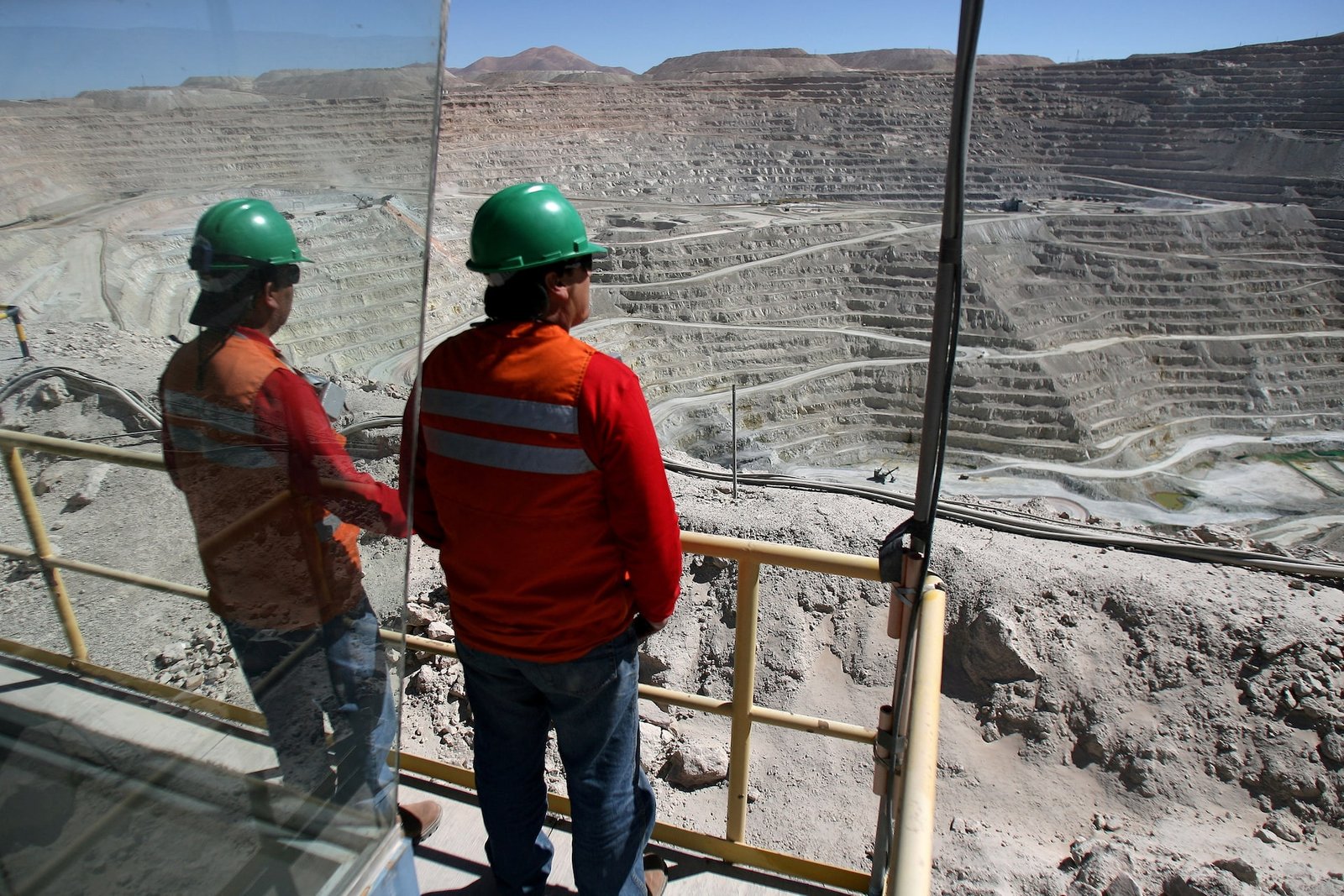
BHP’s Escondida copper mine in Chile is holding last-minute negotiations with its supervisors’ union in an effort to prevent a strike that could disrupt operations at the world’s largest copper mine. The union confirmed late Tuesday, October 13, that discussions with company representatives were underway following an earlier announcement that workers would begin striking on Wednesday.
The renewed negotiations come after government-mediated efforts to finalize a new collective labor agreement failed. The dispute has continued for several weeks, with the supervisors’ union warning that it would take industrial action if the two sides could not reach an agreement.
In a message to its members seen by Reuters, the union said it had been called to another meeting with the company through government mediation. It added that it would provide updates as negotiations progressed.
A BHP spokesperson in Chile did not immediately respond to a request for comment.
Union Strike Threat Raises Concerns Over Copper Supply
The possibility of a strike at Escondida has drawn attention from global copper markets because any significant interruption at the mine could tighten supplies. As the world’s largest copper-producing operation, Escondida plays an important role in international copper production, making labor disputes there a concern for buyers and traders.
The prospect of a stoppage has helped support copper prices as market participants assess the potential impact on global availability. If negotiations fail and the strike proceeds, disruptions at the mine could add pressure to supply conditions, depending on the duration and extent of the industrial action.
However, the outcome remained uncertain late Tuesday, as the union and company representatives entered another round of discussions aimed at resolving the contract dispute before the planned strike began.
Union Says Its Offer Includes Most Company Proposals
Earlier on Tuesday, the supervisors’ union said it had submitted an offer incorporating 90% of the company’s proposals, alongside several key demands from workers. These included salary increases and production bonuses.
Despite the union’s reported concessions, the negotiations had not produced a final agreement, prompting the union to announce plans for a strike beginning Wednesday.
The union also accused the company of demanding that workers give up essential benefits and share private biometric data with third parties. These issues have added to tensions during the negotiations, alongside disagreements over pay and other employment conditions.
The competing positions reflect the challenges facing both sides as they attempt to settle the terms of a new collective labor contract. The latest government-mediated meeting could provide another opportunity to address the outstanding issues and prevent industrial action.
Escondida Is a Major Global Copper Producer
Located in Chile’s northern Atacama Desert, Escondida is majority-owned and operated by BHP, one of the world’s largest mining companies. Rio Tinto holds a 30% stake in the operation, while Japan-based JECO owns 12.5%.
The mine’s scale means that any prolonged labor disruption could have implications beyond Chile, particularly for international buyers seeking reliable copper supplies. Copper is widely used in electricity networks, construction, manufacturing and renewable energy infrastructure, making production levels at major mines an important factor in global commodity markets.
For BHP, reaching a settlement would help avert the immediate risk of a strike and allow operations to continue without a labor stoppage. For the union, the negotiations remain focused on securing acceptable employment terms, including compensation, bonuses and protections for workers.
Negotiations Continue Ahead of Planned Strike
The latest talks represent a last-minute attempt to resolve the dispute before the union’s announced strike deadline. Government mediation has brought the parties back to the negotiating table, but no final agreement had been announced by late Tuesday.
The immediate outlook for Escondida will depend on whether the company and union can bridge their remaining differences. A successful settlement would avert the planned industrial action, while a breakdown in talks could threaten production at a mine that is closely watched by the global copper market.
Until the negotiations produce a confirmed outcome, copper traders and industry participants are likely to monitor developments closely for signs of whether the strike will proceed and what impact it could have on supply.
For breaking news and live news updates, like us on Facebook or follow us on Twitter and Instagram. Read more on Latest Business on thefoxdaily.com.

COMMENTS 0