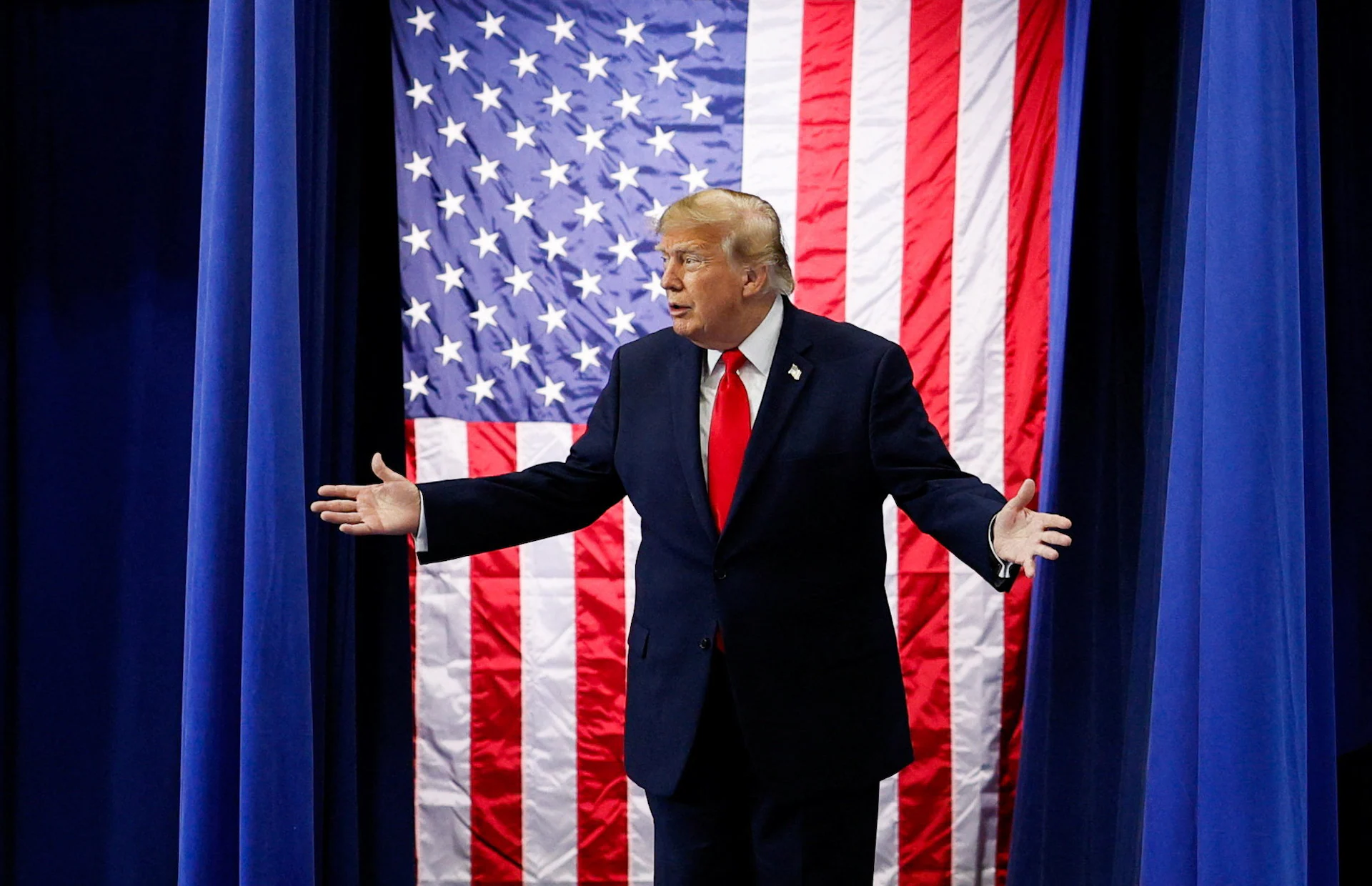
US President Donald Trump said Taiwan has agreed to purchase 30% of the liquefied natural gas (LNG) from a proposed pipeline project in Alaska, highlighting efforts to expand American energy exports and strengthen trade ties with the Asian island. Trump made the announcement at a rally in Wasilla, Alaska, on Tuesday, October 13, although the final terms of the agreement remain unclear.
US Commerce Secretary Howard Lutnick, who also attended the Republican National Committee-organized rally, said Taiwan had committed to investing $4.4 billion in the development of the pipeline. However, it was not immediately clear whether the parties had signed a binding purchase agreement or finalized the investment arrangements.
Taiwan’s economy ministry, which oversees the island’s energy policy, did not immediately comment on Trump’s announcement. Taiwan Premier Cho Jung-tai said the government’s priority was to maintain a stable and resilient energy supply.
“Stabilize the entire energy supply and build its resilience, like governments everywhere,” Cho told reporters when asked about Trump’s remarks.
Taiwan Plans to Increase US Natural Gas Imports
Trump’s announcement follows Taiwan’s plans, outlined in February, to increase purchases of US natural gas so that it would account for approximately one-third of the island’s imported supply this year. The strategy also involves reducing purchases from other countries as Taiwan seeks to diversify its energy sources and strengthen economic ties with Washington.
Taiwan’s state-owned energy company, CPC Corp, signed an agreement with Alaska Gasline Development Corp last year to purchase LNG and invest in the proposed pipeline project. Alaska’s governor said at the time that Taiwan had signed a letter of intent to buy 6 million metric tons of LNG annually from the project.
Taiwan President Lai Ching-te previously said the investment would help ensure the island’s energy security. However, Trump’s latest comments did not establish whether a final agreement had been completed or whether the reported 30% commitment refers to a finalized purchase arrangement.
The proposed deal comes as Taiwan seeks to expand its purchases of American goods and energy products. Increasing imports from the United States could help reduce Taiwan’s trade surplus with Washington, which has been a source of concern for the Trump administration.
Alaska LNG Project Targets Annual Exports of 20 Million Tons
The proposed Alaska LNG project is designed to export as much as 20 million metric tons of liquefied natural gas annually if construction is completed. The project has been promoted by the Trump administration as a potential source of energy for allies in Asia, offering an alternative to supplies from other regions.
Last year, Pan Men-an, secretary-general of Taiwan’s Presidential Office, visited the proposed project’s site in Alaska. The visit highlighted Taiwan’s interest in securing long-term energy supplies from the United States as it works to diversify its import sources.
The project has secured agreements covering approximately 13 million metric tons of annual LNG supplies for buyers in Asia and French energy company TotalEnergies. It still needs agreements covering an additional 3 million metric tons annually and must convert existing arrangements into binding contracts to help secure financing.
Long-term purchase commitments are important for major LNG infrastructure projects because they can provide the revenue certainty needed to attract investors and lenders. The extent to which Taiwan’s reported commitment becomes a binding contract could therefore influence the project’s progress toward financing and development.
Alaska Pipeline Could Offer a Direct Route to Asian Markets
If completed, the Alaska LNG project would provide US natural gas producers with a direct route to Asian markets, including Taiwan. LNG shipments from Alaska could avoid the need to travel through the Panama Canal or take the longer route around the southern tip of Africa, potentially reducing transportation time and costs.
The proposed route could make Alaska an additional source of natural gas for Asian economies that depend on imported energy. For Taiwan, securing supplies from the United States could support efforts to diversify imports and reduce reliance on individual suppliers or shipping routes.
However, the project’s development depends on securing sufficient binding purchase agreements and financing, as well as moving forward with the infrastructure needed to produce, transport and export the gas.
US Pushes Energy Deals With Asian Allies
The proposed Taiwan agreement forms part of a broader effort by the Trump administration to encourage Asian trading partners to purchase more American energy and invest in US infrastructure. Taiwan has pledged to substantially increase its purchases from the United States, including energy products, amid pressure to address its trade surplus with Washington.
Trump said last month that South Korea had agreed to invest in the Alaska LNG pipeline project, which has been valued at approximately $54 billion. South Korean officials, however, said the proposed investment was not yet finalized.
The differing statements underscore the importance of distinguishing political announcements and preliminary commitments from completed commercial agreements. For Taiwan, the reported LNG purchase and $4.4 billion investment could represent a significant expansion of energy cooperation with the United States, but the final contractual details remain uncertain.
The next steps will depend on whether Taiwan and the project developers formalize their commitments, whether the project secures the remaining purchase agreements, and whether the financing required for construction can be arranged.
For breaking news and live news updates, like us on Facebook or follow us on Twitter and Instagram. Read more on Latest Business on thefoxdaily.com.


COMMENTS 0