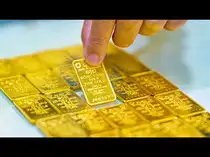
Gold buying on Dhanteras is increasingly moving beyond traditional jewellery shops, with investors showing interest in exchange-traded digital ownership. The National Stock Exchange (NSE) recorded 1,81,763 units of Electronic Gold Receipts (EGRs) in trading volume on Dhanteras, with the total transaction value reaching Rs 26.46 crore.
The one-day trading milestone highlights growing interest in regulated Gold Investment through the stock exchange. Electronic Gold Receipts allow investors to own gold in electronic form through their demat accounts, offering an alternative to purchasing and storing physical gold.
Key Highlights
- NSE recorded 1,81,763 units of Electronic Gold Receipts traded on Dhanteras.
- The total value of EGR transactions reached Rs 26.46 crore.
- The trading activity points to growing interest in digital gold ownership through regulated markets.
- EGRs allow investors to hold gold electronically in demat accounts.
- Exchange-traded gold offers an alternative to buying and storing physical gold.
What Are Electronic Gold Receipts?
Electronic Gold Receipts are exchange-traded instruments that represent ownership of physical gold held in an approved vault. Instead of taking possession of gold in the form of coins or jewellery, investors can hold their gold ownership electronically through a demat account.
The system connects physical gold stored in regulated vaults with electronic trading on a recognised stock exchange. This allows investors to buy and sell gold receipts through the exchange mechanism, subject to applicable trading and settlement rules.
Why NSE’s Dhanteras Trading Volume Matters
Dhanteras is traditionally one of India’s most important occasions for purchasing gold. Households often buy jewellery, coins and other gold products as part of the festival’s customs and investment practices.
The NSE’s EGR trading activity on this occasion suggests that some investors are also exploring exchange-based ways to gain exposure to gold. The 1,81,763 units traded, valued at Rs 26.46 crore, provide a measurable indication of activity in the electronic gold market during the festive period.
However, a single day’s trading volume does not establish a long-term trend. Sustained participation over several trading sessions would provide a clearer picture of how quickly investor interest in EGRs is developing.
How Digital Gold Ownership Through EGRs Works
Electronic Gold Receipts are designed to make gold ownership compatible with the existing securities market infrastructure. Investors use a demat account to hold the receipts, while the corresponding physical gold remains stored in an approved vault.
This arrangement separates ownership from the need to personally store gold. Investors can trade eligible EGRs on the exchange, while the physical metal remains within the regulated vaulting system.
Digital Gold Offers an Alternative to Physical Purchases
Physical gold purchases involve considerations such as storage, transportation and security. Jewellery purchases may also include making charges, while coins and bars require safe storage.
Exchange-traded EGRs offer a different route by allowing investors to hold gold electronically. They may appeal to people who want exposure to gold without keeping the metal at home. However, investors should understand the applicable trading charges, storage-related costs, liquidity and redemption conditions before investing.
What Investors Should Know Before Trading EGRs
Although EGRs provide an electronic route to gold ownership, they are not free from investment risks. Their market price can fluctuate with gold prices, and trading liquidity may vary depending on market participation.
Investors should also check the contract specifications, minimum trading quantity, settlement arrangements and conditions for converting receipts into physical gold, where permitted. Understanding these details is important before making an investment decision.
Conclusion
The NSE’s Dhanteras milestone of 1,81,763 Electronic Gold Receipts traded worth Rs 26.46 crore reflects growing attention towards exchange-traded gold ownership in India. While physical gold remains an important part of festival purchases, EGRs provide investors with another way to participate in the gold market through demat accounts.
Whether this activity develops into sustained demand will depend on investor awareness, market liquidity and the convenience of trading and holding these electronic receipts.
For breaking news and live news updates, like us on Facebook or follow us on Twitter and Instagram. Read more on Latest Business on thefoxdaily.com.






COMMENTS 0