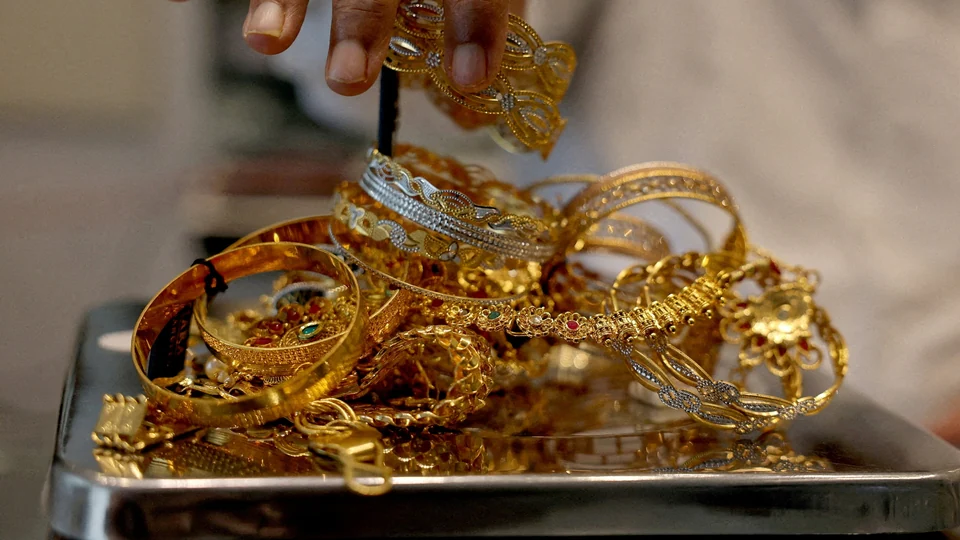
Gold Prices in India continued to decline ahead of Dhanteras and Diwali, creating fresh buying opportunities for consumers during the ongoing festive season. Prices of the precious metal have fallen by more than 5% over the past month, encouraging jewellery purchases and advance bookings as buyers anticipate a possible recovery in the market.
On November 3, the price of 24-karat gold declined to ₹1,39,101 per 10 grams in Delhi, while 22-karat gold was priced at ₹1,27,416 per 10 grams. The latest decline came after gold had recovered modestly to ₹1,42,500 per 10 grams on Monday, supported by increased purchases from jewellers and retailers preparing for Dhanteras.
Silver Prices also moved lower, falling from ₹1.86 lakh per kilogram on Monday to ₹1,78,643 per kilogram on Tuesday. The metal has experienced a substantial correction after reaching ₹2.32 lakh per kilogram on September 30, representing a decline of around 20% over the period.
Gold Prices Decline as Festive Buying Approaches
The fall in gold prices comes at an important time for India’s jewellery market. Dhanteras and Diwali traditionally encourage purchases of gold and silver, with many households considering precious metals as part of their festive shopping and investment plans.
The recent price correction has encouraged some consumers to bring forward their jewellery purchases. Buyers are also placing advance orders as they look to secure current prices ahead of the main festive buying period.
Jewellers and retailers have reportedly increased their purchases in preparation for Dhanteras, which has provided some support to the market despite the broader decline in gold prices. The modest recovery recorded on Monday reflected this buying activity.
However, the latest fall on Tuesday shows that prices remain volatile. Consumers planning purchases are therefore watching daily price movements closely, particularly as the festive season approaches its peak.
Gold Demand Likely to Increase on Dhanteras
Despite the decline in gold prices, demand is expected to strengthen ahead of Dhanteras on November 6. Reports indicate that jewellery purchases have picked up since the previous week, with buying activity likely to continue as households prepare for the festival.
Surendra Mehta, national secretary of the India Bullion and Jewellers Association, told a news publication that gold sales volumes could increase by 10–12% on Dhanteras compared with the corresponding period last year.
The expected increase suggests that lower prices may encourage consumers who had postponed purchases because of elevated gold costs. Advance bookings and retailer purchases could also contribute to higher sales volumes during the festive period.
Nevertheless, higher sales volumes do not necessarily mean that total spending will rise at the same rate. Changes in jewellery weight, purity preferences and average purchase value can influence the overall value of gold sales.
World Gold Council Warns of Weak Gold Demand in 2026
While jewellery market participants expect stronger festive sales, the World Gold Council (WGC) has projected that India’s gold demand could fall to a six-year low in 2026.
According to the WGC, a weak monsoon has affected the outlook for gold consumption. This year’s monsoon delivered its lowest rainfall in more than a decade, according to the report released on Tuesday. The weaker rainfall has hampered agricultural production and reduced farmers’ incomes.
Rural households represent an important part of India’s jewellery market. Agricultural income can influence spending on gold, particularly during festivals, weddings and other important occasions. When farm earnings come under pressure, households may postpone purchases or choose smaller and less expensive jewellery items.
The WGC’s assessment highlights a difference between short-term festive buying and the broader annual demand outlook. Although consumers may increase purchases ahead of Dhanteras, weaker rural incomes could continue to affect gold consumption over the full year.
Iran War and Rupee Weakness Continue to Influence Gold Prices
Gold prices are also being influenced by international developments. The ongoing Iran war and the rupee’s weakness against the US dollar have continued to weigh on the precious metal, according to the supplied market assessment.
Geopolitical tensions can create uncertainty in financial markets and influence investor demand for gold. At the same time, changes in the rupee-dollar exchange rate affect the cost of importing gold into India.
A weaker rupee generally makes dollar-denominated gold more expensive for Indian buyers, potentially limiting the benefit of a decline in international prices. This means domestic gold prices depend not only on global bullion movements but also on currency fluctuations and other market factors.
For consumers, the combination of falling gold prices and a weak rupee makes the market difficult to predict. Further declines could encourage additional buying, while a rise in international prices or renewed currency pressure could push domestic rates higher.
Consumers Shift Towards Lightweight Gold Jewellery
Elevated gold prices have changed the purchasing preferences of many consumers. Instead of buying heavier jewellery, shoppers are increasingly considering lightweight designs and lower-carat products to manage their budgets.
Gold jewellery is available in different purity grades, each serving different consumer requirements. Although 24-karat gold represents the highest level of purity, it is generally too soft for everyday jewellery manufacturing.
Jewellers widely use 22-karat gold because its alloy composition provides greater strength and durability. However, its price remains relatively high, encouraging some consumers to explore alternatives.
One notable trend has been increased interest in 18-karat jewellery, which contains 75% pure gold. Its lower gold content makes it less expensive than higher-purity alternatives, while the additional alloy content provides greater durability for certain jewellery designs.
The growing interest in 18-karat products reflects how consumers are adjusting their buying decisions in response to higher prices. Lightweight necklaces, rings, earrings and other smaller pieces can help shoppers participate in festive purchases without committing to the cost of heavier jewellery.
What the Gold Price Decline Means for Festive Buyers
The recent correction in gold prices could influence how households approach their Dhanteras and Diwali shopping. Consumers who delayed purchases during the earlier price rally may view the decline as an opportunity to buy jewellery at comparatively lower rates.
However, buyers should distinguish between the quoted price of gold and the final jewellery bill. Making charges, applicable taxes, design costs and the purity of the product can affect the total amount paid at a jewellery store.
Consumers should also check the purity and hallmarking details before purchasing gold jewellery. Comparing prices and understanding the charges included in the final bill can help buyers make informed decisions.
For those considering gold as an investment, short-term price movements around festivals should not be treated as a guarantee of future returns. Gold prices can change in response to global economic conditions, geopolitical developments, currency movements and investor demand.
Outlook: Festive Buying Faces a Mixed Demand Picture
Gold prices have fallen by more than 5% over the past month, while silver has recorded an even sharper correction. These declines have encouraged jewellery purchases and advance orders as consumers prepare for Dhanteras on November 6 and the wider Diwali festive season.
Industry expectations of a 10–12% increase in Dhanteras gold sales volumes indicate the possibility of stronger short-term demand. However, the World Gold Council’s projection of a six-year low in India’s gold demand in 2026 highlights the challenges posed by weaker agricultural incomes and the poor monsoon.
The coming days will show whether lower prices translate into sustained festive buying. For now, consumers are balancing the opportunity presented by the recent correction against uncertainty surrounding international prices, the rupee and the broader economic outlook.
For breaking news and live news updates, like us on Facebook or follow us on Twitter and Instagram. Read more on Latest Business on thefoxdaily.com.






COMMENTS 0