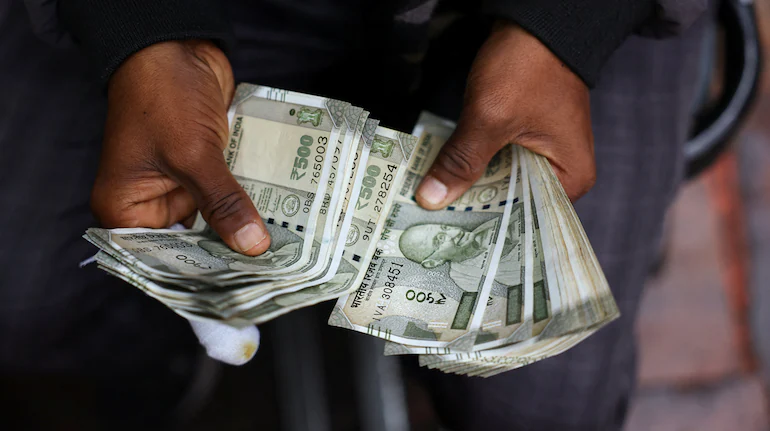
The Indian Rupee opened higher by 29 paise at 93.74 against the US Dollar on November 11, supported by softer crude oil prices and expectations of continued foreign portfolio investor (FPI) dollar selling. However, rising US Treasury yields and stronger-than-expected American inflation data could limit further gains in the domestic currency.
The rupee had closed at 93.93 per dollar in the previous trading session on Monday. Its stronger opening came as currency markets assessed movements in crude oil prices, demand for dollars from importers and the outlook for US Federal Reserve interest rates.
Meanwhile, the US dollar remained close to a two-week high after hotter-than-expected inflation data strengthened expectations that the Federal Reserve could raise interest rates in December. This created a mixed outlook for emerging-market currencies, including the Indian rupee.
Key Highlights
- The Indian rupee opened 29 paise higher at 93.74 per US dollar on November 11.
- Softer Brent crude prices provided support to the domestic currency.
- The US dollar index stood at 102.22 after stronger-than-expected inflation data.
- Finrex expected importers to look for dollar buying opportunities near 93.50 and exporters to hedge receivables above 94.00.
- Asian currencies traded mixed, with the South Korean won and Indonesian rupiah recording gains against the dollar.
Why the Indian Rupee Opened Higher
The rupee’s stronger opening was supported by relatively softer crude oil prices. India imports a substantial amount of its crude oil requirements, making international oil prices an important factor influencing the country’s demand for foreign currency.
When crude oil prices decline, Indian oil importers may need fewer dollars to purchase the same quantity of oil, potentially reducing pressure on the rupee. This can provide support to the domestic currency, although movements in the dollar and broader financial markets also influence exchange rates.
According to Currency Market information shared by Finrex, the rupee was expected to open around 93.71 per dollar after touching 93.50 during non-deliverable forward (NDF) market trading the previous day.
The rupee eventually opened at 93.74, compared with its previous close of 93.93.
US Dollar Strengthens After Higher Inflation Data
While the rupee received support from softer oil prices, the stronger US dollar remained an important risk for the domestic currency. The dollar index, which measures the US currency against a basket of six major currencies, rose to 102.22 after declining to around 101.4 the previous day.
The recovery followed a hotter-than-expected US consumer inflation report. Higher inflation increased market expectations that the Federal Reserve could raise interest rates by 25 basis points in December.
Hawkish comments from Federal Reserve officials also supported the dollar by strengthening expectations of tighter monetary policy. Higher US interest rates can make dollar-denominated assets more attractive to international investors, potentially increasing demand for the US currency.
The dollar index remained close to its highest level since October 28, reflecting the market’s response to the latest inflation data and interest-rate expectations.
Crude Oil Prices Remain Important for Rupee Movement
Brent crude was trading around $92.05 after touching levels close to $90 in the previous session. Although prices had moved higher from the recent low, the broader decline from earlier levels provided some support to the rupee.
Oil prices are particularly important for India’s currency outlook because higher crude costs can increase the country’s import bill. Oil companies and other importers need dollars to pay for overseas purchases, creating demand for the US currency.
When oil prices rise sharply, this additional dollar demand can put pressure on the rupee. Conversely, a sustained reduction in crude prices may help ease some of that pressure.
However, the relationship is not automatic. Foreign investment flows, central bank activity, global interest rates and demand for dollars from other sectors can also influence the exchange rate.
Finrex Shares Currency Trading Levels for Importers and Exporters
Finrex provided separate reference levels for importers and exporters managing their currency exposure. According to the firm, importers were expected to wait for levels around 93.50 per dollar to purchase dollars and hedge their upcoming payments.
Exporters, meanwhile, could consider hedging their dollar receivables above 94.00, particularly for payments expected through December.
These levels reflect market guidance rather than guaranteed exchange rates. Actual transactions depend on market liquidity, the timing of payments, banking costs and individual hedging requirements.
Currency hedging allows businesses to reduce uncertainty caused by exchange-rate movements. Importers use it to manage the cost of future dollar payments, while exporters use it to protect the domestic-currency value of overseas earnings.
RBI and State Bank Dollar Purchases Remain in Focus
Finrex noted that the dollar had risen to around 94.1250 on Monday amid buying interest from the Reserve Bank of India (RBI), State Bank of India (SBI) and oil importers.
Central bank activity can influence short-term currency movements by changing the balance between dollar demand and supply. The RBI may also intervene in the foreign exchange market to manage excessive volatility and maintain orderly trading conditions.
Dollar purchases by oil importers can add to market demand, particularly when companies need to settle overseas payments. Exporters selling their dollar earnings, on the other hand, can increase the supply of dollars in the domestic market.
The interaction between these participants remains important for determining the rupee’s direction during individual trading sessions.
US Holiday Could Reduce Dollar Demand in Cash Markets
Finrex also expected lower dollar demand in the cash market because of a US holiday. Reduced participation can affect trading activity and liquidity, although the exact impact depends on market conditions and the transactions taking place during the session.
The firm added that foreign portfolio investors were expected to remain dollar sellers as investment activity in India regained momentum.
FPI inflows can support the rupee when overseas investors bring foreign currency into India to purchase domestic shares and other assets. However, investment flows can change quickly in response to global interest rates, economic data and investor sentiment.
Asian Currencies Trade Mixed Against the US Dollar
Asian currencies recorded mixed movements against the US dollar on November 11, indicating that regional currency markets were responding differently to global financial developments.
The Indonesian rupiah gained 0.13%, while the South Korean won advanced 0.38%. The Thai baht also strengthened by 0.05% against the previous close.
Several other regional currencies declined. The Philippine peso fell 0.37%, while the Malaysian ringgit lost 0.32%. The Taiwan dollar and Japanese yen declined by 0.19% and 0.11%, respectively.
The Chinese renminbi edged lower by 0.08%, while the Singapore dollar slipped 0.02%.
The mixed performance highlights how currency movements depend on individual economic conditions, capital flows and domestic monetary policies, in addition to broad US dollar trends.
What Could Influence the Rupee During the Next Trading Sessions?
The rupee’s near-term direction is likely to depend on several important factors. Crude oil prices will remain a key consideration because of their influence on India’s import payments and demand for dollars.
Developments in the United States will also matter. Strong inflation data and expectations of higher Federal Reserve interest rates could support the dollar, making it more difficult for emerging-market currencies to strengthen.
Foreign portfolio investment activity will be another important factor. Continued overseas investment in Indian equities could increase dollar supply, while renewed foreign outflows could create additional pressure on the rupee.
Finally, dollar demand from oil companies, other importers and financial institutions, along with RBI activity, could influence trading levels during the session.
Conclusion
The Indian rupee opened 29 paise higher at 93.74 per dollar on November 11, supported by softer crude oil prices and expectations of foreign investment-related dollar selling. However, stronger US inflation data, rising Treasury yields and a recovering dollar index created potential challenges for further gains.
Finrex identified 93.50 as a level importers could watch for dollar purchases and suggested that exporters consider hedging above 94.00. These are market reference levels rather than assured trading outcomes.
Going forward, the rupee’s movement will depend on the balance between domestic dollar supply, import demand, crude oil prices, foreign investment flows and expectations surrounding Federal Reserve policy.
For breaking news and live news updates, like us on Facebook or follow us on Twitter and Instagram. Read more on Latest Business on thefoxdaily.com.






COMMENTS 0