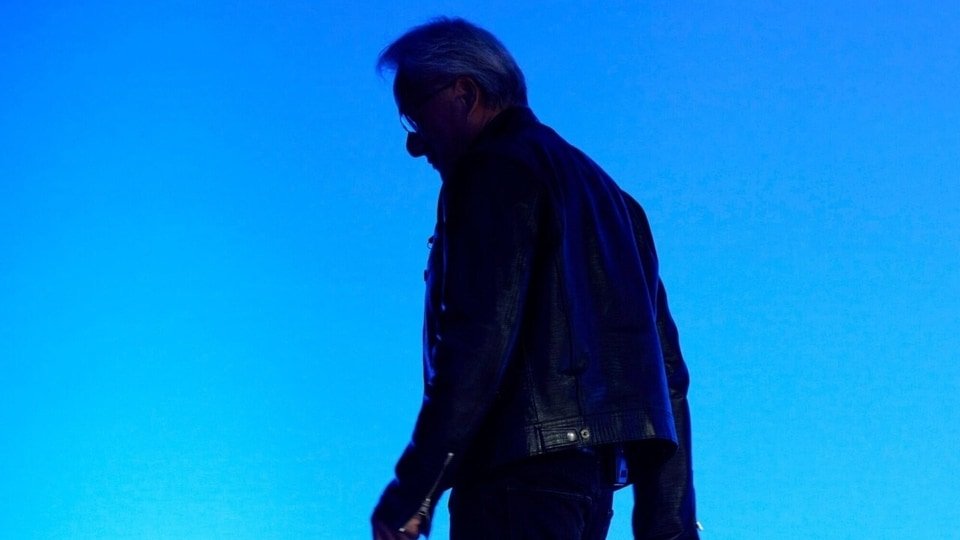
Nvidia’s board of directors is not considering reinstating Jensen Huang as chief executive, despite growing calls from investors, technology leaders and employees for his return. The board is instead focused on finding a permanent successor and completing an independent investigation following Huang’s resignation, according to people familiar with its thinking.
The leadership crisis has created uncertainty at one of the world’s most influential Artificial Intelligence companies. Huang stepped down after 33 years at the helm, and Nvidia appointed former Chief Financial Officer Colette Kress as interim CEO while beginning a search for a permanent replacement.
The board’s position contrasts with mounting public pressure from sections of Silicon Valley and Washington. Supporters argue that Huang’s departure could disrupt Nvidia’s business relationships and weaken the United States’ position in the global artificial intelligence race. However, the ongoing investigation and concerns about corporate governance appear to be central to the board’s immediate priorities. :chatgpt-content-reference{index=”0″}
Nvidia Board Rules Out Jensen Huang’s Immediate Return
According to a source familiar with the board’s thinking, Nvidia directors are not considering bringing Huang back as CEO despite the growing campaign supporting his reinstatement.
The development comes after several prominent investors and technology figures urged the company to reconsider its leadership transition. An open letter calling for Huang’s return has attracted support from influential figures across the technology industry, while an online petition has reportedly collected more than 180,000 signatures.
However, public support does not necessarily determine the board’s succession decision. Directors must also consider the company’s governance responsibilities, the findings of the ongoing investigation and the potential consequences of changing leadership again before the review is complete.
Nvidia announced on November 12 that Huang had resigned as president, CEO and board member with immediate effect. The company confirmed that Kress would take over as interim chief executive while the board searched for a permanent successor. :chatgpt-content-reference{index=”1″}
Colette Kress Takes Charge as Interim CEO
Colette Kress, who previously served as Nvidia’s executive vice president and chief financial officer, was appointed interim CEO following Huang’s departure.
Kress joined Nvidia in September 2013 and has led its finance organisation through a period of significant expansion in accelerated computing and artificial intelligence. She will continue to oversee the finance function while serving as interim chief executive until a permanent successor is appointed.
Nvidia’s board has said it has confidence in Kress and the existing leadership team. The company has also indicated that its operations, customer commitments and product roadmap are expected to continue without interruption during the transition.
The board has begun the search process and said it would consider both internal and external candidates. Its decision will be important because Nvidia’s next CEO will need to manage relationships with major customers, semiconductor manufacturing partners, governments and developers across the global AI industry. :chatgpt-content-reference{index=”2″}
Why Did Jensen Huang Resign From Nvidia?
Huang’s resignation followed reports concerning his personal relationships and alleged connections involving Alice Huang, a Singapore-based data-centre executive. The reports prompted questions about whether sensitive business information or national security interests could have been exposed.
According to reports, US intelligence agencies are examining Alice Huang’s possible links to China’s Ministry of State Security and whether information was passed to Beijing. These allegations remain under investigation and should not be treated as established findings.
President Donald Trump has offered a different perspective on the possibility of Huang returning. Speaking to reporters on Monday, Trump said he would not mind seeing the former Nvidia chief executive get his job back, adding that he believed Huang had learned a lesson.
Trump also played down reports about the intelligence suspicions surrounding Alice Huang. His comments highlighted the mixed reactions within the US administration, where some officials have expressed support for Huang while others have called for a significant leadership change.
The distinction between allegations and verified findings is important. The investigation is intended to establish whether any confidential company information or national security interests were compromised. Until its findings are available, the precise nature and extent of any potential exposure remain unresolved. :chatgpt-content-reference{index=”3″}
Scott Bessent Calls for an Outside CEO Candidate
US Treasury Secretary Scott Bessent has taken a more critical position on Nvidia’s leadership situation. On Sunday, Bessent said the company should consider appointing an external candidate regardless of whether investigators establish that confidential information was passed to Chinese interests.
He described Nvidia as having a possible “culture of noncompliance” and argued that the company needed a “dramatic shake-up”. His comments indicate that some officials believe the controversy requires broader organisational changes rather than simply resolving the question of Huang’s return.
The disagreement within the administration could complicate the public debate surrounding Nvidia’s leadership. While Trump has expressed openness to Huang’s reinstatement, Bessent has argued for a new leader from outside the company.
For Nvidia’s board, however, the immediate responsibility remains the selection of a chief executive who can maintain operational stability while addressing governance and compliance concerns.
US Tightens Restrictions on AI Chip Shipments
The leadership dispute is unfolding alongside changes in US semiconductor export policy. The Commerce Department has issued a rule aimed at tightening restrictions on shipments of advanced chips from Nvidia and other American companies to Malaysia, Thailand, Indonesia, Singapore and Brazil.
The measure is intended to prevent Chinese customers from remotely accessing data-centre computing capacity located in these countries. This reflects Washington’s concern that restrictions on direct chip shipments could be undermined if Chinese entities obtain access to advanced computing resources through facilities established elsewhere.
The issue is particularly significant for Nvidia because its advanced processors are widely used to develop and operate artificial intelligence systems. Restrictions on where its chips can be shipped and how their computing capacity can be accessed could influence the company’s international sales strategy and relationships with data-centre operators.
Commerce Secretary Howard Lutnick has been described as a key ally of Huang. He has also faced criticism within the administration over efforts to delay or resist tighter restrictions on chip exports.
The policy debate illustrates the challenge facing US technology companies: they must pursue international commercial opportunities while complying with increasingly complex national security and export-control requirements. For Nvidia’s next chief executive, managing this balance could become a major part of the role. :chatgpt-content-reference{index=”4″}
Investors and Technology Leaders Push for Huang’s Return
Despite the board’s reported position, support for Huang’s reinstatement has grown among sections of the technology and investment communities.
Uber co-founder Travis Kalanick, technology investor Gavin Baker, Shopify CEO Tobias Lütke and Epic Games CEO Tim Sweeney are among the prominent names associated with an open letter calling for Huang’s return.
Supporters argue that Huang’s experience, industry relationships and influence within Nvidia make his departure particularly significant. Under his leadership, the company became a central supplier of processors and computing platforms used in the development of modern artificial intelligence systems.
Some investors have also urged the board to delay appointing a permanent chief executive until the independent investigation is completed. Their argument is that the company should avoid making an irreversible leadership decision before all relevant facts are established.
However, other investors and corporate governance observers have raised concerns about bringing Huang back before the investigation concludes. Reinstatement during an unresolved review could create additional questions about the board’s independence, accountability and handling of potential compliance risks.
This leaves Nvidia facing competing expectations: supporters want continuity under its former leader, while others believe the company needs a clear separation between its future leadership and the circumstances surrounding his resignation. :chatgpt-content-reference{index=”5″}
Independent Investigation Remains a Key Factor
Nvidia’s independent directors have retained the law firm Wachtell, Lipton, Rosen & Katz to conduct an investigation into the circumstances surrounding Huang’s departure and related concerns.
The review is significant because the controversy extends beyond personal conduct. Investigators are examining whether the circumstances created potential risks involving confidential company information or national security interests.
The board’s decision to proceed with an independent investigation suggests that it wants the issues examined separately from public pressure over the leadership transition.
Investors will be watching for clarity on the investigation’s scope, findings and possible consequences. If the review identifies weaknesses in internal controls or compliance procedures, Nvidia could face pressure to strengthen oversight and reporting practices.
On the other hand, if investigators find no evidence that sensitive information was compromised, the company may be able to address some of the concerns through governance changes and improved internal procedures. The outcome could influence how the board approaches its permanent CEO appointment, although it does not automatically determine whether Huang could return in another capacity. :chatgpt-content-reference{index=”6″}
Congressional Committees Seek Answers From Huang
The controversy has also attracted attention from US lawmakers. Congressional committees have asked Huang to answer questions about his relationship with Alice Huang early next month.
The interest from Congress reflects the broader national security implications of the allegations. Nvidia’s chips are important to the development of artificial intelligence infrastructure, and the company operates within an industry closely connected to US technology and export policy.
Lawmakers may seek further information about the company’s relationships with overseas businesses, its handling of sensitive information and the effectiveness of its compliance procedures.
Any testimony or additional disclosures could bring greater clarity to the issues facing Nvidia. However, the precise implications for the company will depend on what investigators and lawmakers establish rather than on allegations circulating publicly.
What the Leadership Crisis Means for Nvidia’s AI Business
Nvidia’s leadership transition matters because the company occupies a central position in the global artificial intelligence supply chain. Its processors and computing platforms are used by technology companies, cloud providers, research institutions and governments developing AI systems.
Huang’s departure therefore raises questions about whether Nvidia can maintain its strategic direction and relationships without its long-serving leader. His influence extended beyond executive management to product strategy, industry partnerships and the company’s public engagement with governments.
However, Nvidia’s business is not dependent on one executive alone. The company has an established leadership team, engineering organisation, customer relationships and product development operations. Kress’s appointment as interim CEO is intended to provide continuity while the board evaluates permanent candidates.
The transition also comes at a time when governments are paying closer attention to the strategic importance of advanced semiconductors. Export restrictions, access to manufacturing capacity and competition in AI infrastructure could influence Nvidia’s business independently of its leadership controversy.
One possible implication is that the company may place greater emphasis on compliance, internal oversight and transparency as it moves through the succession process. The extent of any changes will depend on the investigation’s findings and the priorities established by the incoming CEO.
What Happens Next for Nvidia?
The next phase of Nvidia’s leadership transition will depend on three major developments: the independent investigation, the search for a permanent chief executive and the company’s response to US regulatory concerns.
The board has indicated that it intends to consider internal and external candidates. Kress will continue leading the company on an interim basis while the process moves forward.
Meanwhile, pressure from investors and technology leaders could remain a feature of the debate. However, the board’s reported position indicates that public calls for Huang’s return have not changed its immediate approach.
The investigation could also influence Nvidia’s governance priorities. If it identifies compliance weaknesses, the company may need to introduce additional controls or changes in oversight. If the findings do not establish a compromise of sensitive information, attention could shift towards rebuilding confidence and maintaining business continuity.
For investors, the most important question is whether Nvidia can protect its operational performance and competitive position during the transition. Leadership uncertainty, regulatory scrutiny and export restrictions create challenges, but the company’s established technology business and management structure remain important factors in assessing its longer-term direction.
Conclusion: Nvidia Prioritises Leadership Transition Over Huang’s Comeback
Nvidia’s board is reportedly not considering reinstating Jensen Huang as CEO, despite growing support for his return from investors, employees and prominent technology figures. The company is proceeding with a permanent leadership search while Colette Kress serves as interim chief executive.
The situation reflects a broader challenge for Nvidia as it manages a leadership change alongside an independent investigation and increased scrutiny of semiconductor exports. Trump’s openness to Huang’s return contrasts with Bessent’s call for an outside replacement, highlighting differing views within the US administration.
For now, Nvidia’s immediate priority appears to be maintaining business continuity and completing the review of the issues surrounding Huang’s resignation. The investigation’s findings, the board’s eventual CEO appointment and the company’s ability to maintain confidence among investors and customers will shape its next chapter.
For breaking news and live news updates, like us on Facebook or follow us on Twitter and Instagram. Read more on Latest Business on thefoxdaily.com.





COMMENTS 0