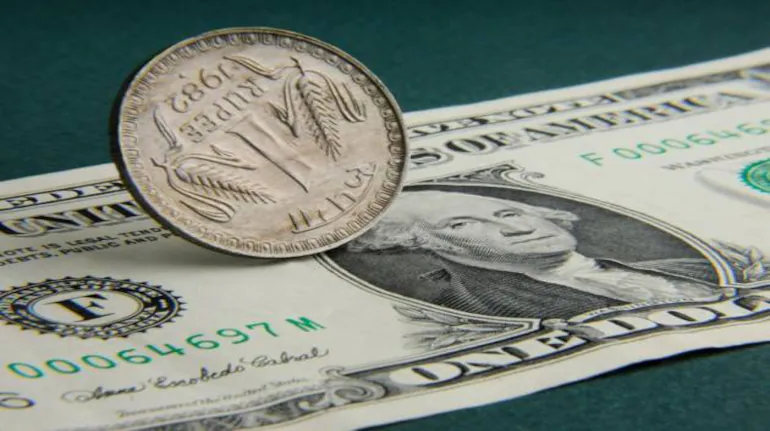
The Indian Rupee ended nearly flat against the US Dollar on Wednesday, surrendering most of its early gains after briefly touching a seven-month high. A stronger US dollar offset support from substantial Foreign Investment in Indian equities, limiting the domestic currency’s recovery during the session.
The rupee closed at 93.44 per dollar, compared with its previous closing level of 93.47. Earlier in the session, it had strengthened to 93.2550, its highest level in seven months, before losing ground as the dollar gained momentum in international markets.
The currency’s performance reflects two competing forces. Foreign portfolio inflows have supported the rupee in November, while expectations of faster US Federal Reserve rate increases have strengthened the dollar and created pressure on emerging-market currencies.
Rupee Reverses Early Gains as Dollar Index Strengthens
The rupee initially gained against the dollar on Wednesday, reaching 93.2550 during early trading. However, the recovery could not be sustained as the US currency strengthened through the session.
The dollar index, which measures the greenback against a basket of major currencies, rose 0.2% to 103.8. This marked its highest level since April 2025 and added pressure to the rupee’s intraday performance.
The dollar index has gained nearly 2% so far in November. Market participants have increasingly positioned for the possibility of faster interest rate increases by the US Federal Reserve, supported by stronger-than-expected economic data and hawkish comments from policymakers.
Higher US interest rates can make dollar-denominated assets more attractive to global investors. When expectations of tighter monetary policy increase, capital may move towards US assets, supporting the dollar and creating challenges for currencies such as the Indian rupee.
This relationship helps explain why the rupee struggled to retain its early gains despite receiving support from foreign investment flows into domestic equities.
Foreign Investment Inflows Support Rupee Recovery
Despite the stronger dollar, the rupee has gained approximately 1.5% in November. One of the key factors supporting the currency has been substantial foreign buying in Indian stocks.
Foreign investors have brought approximately $10 billion into local equities during the month. Traders said these inflows have helped improve market sentiment towards the rupee and provided support against external currency pressures.
Foreign portfolio investment can influence the foreign exchange market because overseas investors generally need rupees to purchase Indian financial assets. When foreign investors increase their exposure to domestic equities, the resulting currency demand can support the rupee.
However, the relationship is not always straightforward. The final impact on the exchange rate also depends on how investors manage their currency exposure, broader dollar movements and other foreign exchange transactions.
The recent inflows have nevertheless helped change sentiment towards the Indian currency, allowing it to recover despite the dollar’s broader strength.
Traders See Bearish Positions Being Unwound
Market activity on Wednesday also indicated a shift in expectations among currency traders. The rupee traded higher in the non-deliverable forward market than in the onshore market, according to bankers and traders.
They attributed this development partly to the unwinding of bearish positions on the Indian currency. Bearish positions are trades based on expectations that a currency will weaken. When traders close these positions, they may need to buy the currency, creating additional demand and supporting its value.
The movement suggests that some market participants have become less negative about the rupee’s near-term outlook. However, changes in trading positions do not necessarily indicate a lasting shift in the currency’s fundamentals.
Continued foreign equity inflows and the direction of the US dollar are likely to remain important factors influencing market sentiment.
DBS Sees Relative Resilience in the Rupee
In a research note, DBS highlighted the rupee’s ability to withstand pressure from a stronger US dollar.
“Defying a firmer dollar, the rupee has demonstrated relative resilience, benefiting from stronger portfolio flows and exporters’ tipping back into the market,” DBS said.
The bank added that the near-term bias was towards foreign exchange stability, while the Reserve Bank of India’s measures to curb pressure on the currency remained in place.
Exporters can influence currency-market activity by selling foreign currency earnings and converting them into rupees. When exporters increase their dollar sales, the additional supply of dollars can support the domestic currency.
The combination of portfolio inflows, exporter activity and regulatory measures has therefore helped the rupee remain relatively stable despite the broader strength of the dollar.
RBI Measures Continue to Influence Currency Markets
The Reserve Bank of India had introduced measures in October to curb dollar demand and support the rupee. The steps came as the domestic currency faced pressure and threatened to breach its previous record-low levels.
Central bank measures aimed at reducing dollar demand can influence the availability of foreign currency in the market and affect trading activity. Their effectiveness, however, depends on market conditions and the underlying sources of pressure on the rupee.
According to DBS, the RBI’s curbs remain an important factor supporting the near-term outlook for currency stability.
The central bank’s actions are particularly relevant when domestic currency movements are influenced by external developments such as changes in US interest rate expectations, global investment flows and shifts in demand for safe-haven assets.
For the rupee, the challenge is to maintain stability while navigating these international pressures and changes in domestic capital flows.
US Federal Reserve Expectations Remain a Key Dollar Driver
The US Federal Reserve’s policy outlook has become an important influence on global currency markets. Stronger economic data and hawkish commentary from policymakers have encouraged investors to consider the possibility of faster interest rate increases.
When markets expect higher US interest rates, Treasury yields and the relative attractiveness of dollar-based investments can increase. This can encourage global investors to shift funds towards US assets, supporting the dollar against other currencies.
The dollar index’s nearly 2% rise in November reflects this shift in market expectations. Its advance has created a headwind for currencies that had benefited from improved investment flows or domestic market conditions.
For India, the impact is particularly important because movements in the dollar can influence import costs, foreign investment decisions and the rupee’s overall stability.
A stronger dollar can also increase the rupee cost of imports priced in US currency, although the actual impact depends on international commodity prices and the exchange rate at which transactions are settled.
Anthropic Share Pricing Draws Global Market Attention
Beyond currency movements, global investors were also preparing to focus on Anthropic’s share pricing ahead of its market debut on Wednesday.
The listing of the frontier artificial intelligence company is being viewed as an important indicator of investor appetite for businesses linked to the AI boom. Artificial intelligence has remained a dominant theme in global financial markets, influencing investment decisions across technology companies and related industries.
Investor interest in Anthropic’s market debut could offer insights into how financial markets are valuing major AI businesses and whether enthusiasm for the sector remains strong.
Although the company’s listing is separate from the factors directly driving the rupee, developments in global technology markets can influence broader investor sentiment and risk appetite.
What Could Determine the Rupee’s Next Move?
The rupee’s latest trading session highlights the balance between domestic support and external pressure. Foreign equity inflows and exporter dollar sales have helped the currency recover in November, while the stronger US dollar has limited its ability to sustain further gains.
In the near term, investors are likely to monitor the Federal Reserve’s policy signals, movements in the dollar index, foreign portfolio flows and the impact of the RBI’s currency measures.
If foreign investment into Indian equities remains strong, it could continue to provide support to the rupee. However, a further rise in the dollar index or a change in global investor positioning could offset some of those gains.
For now, the rupee’s close at 93.44 suggests relative stability rather than a decisive change in direction. Whether the currency can extend its November recovery will depend on how domestic capital flows compare with the pressure coming from international currency markets.
For breaking news and live news updates, like us on Facebook or follow us on Twitter and Instagram. Read more on Latest Business on thefoxdaily.com.






COMMENTS 0