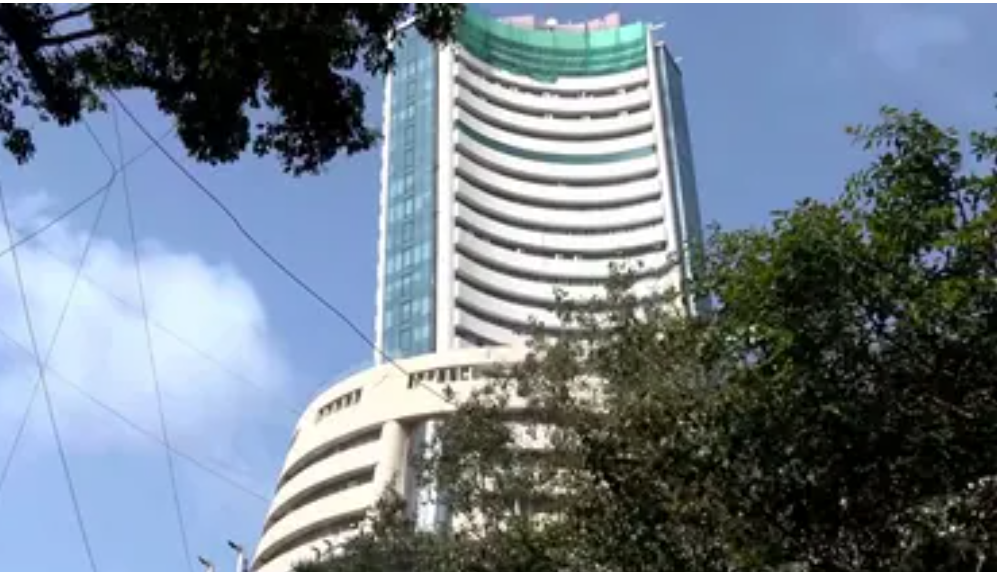
Indian stock market indices Sensex and Nifty opened higher on Wednesday, September 16, 2026, as investors looked for a technical rebound after a sharp sell-off pushed the Nifty 50 to a five-month low in the previous session.
The early recovery came despite a challenging global backdrop. Elevated crude oil prices, firm U.S. Treasury yields and uncertainty ahead of the Federal Reserve‘s interest-rate decision continued to weigh on investor sentiment. With the domestic benchmarks already in oversold territory, traders were watching whether Wednesday’s gains could develop into a broader recovery or remain a short-lived technical bounce.
GIFT Nifty futures were trading around 23,218.50 at 7:54 a.m. IST, pointing to a positive opening for the Nifty 50, which had closed at 23,118.60 on Tuesday.
Sensex and Nifty Open Higher After Sharp Tuesday Sell-Off
The opening gains followed a difficult session for Indian equities. Both major benchmarks had started Tuesday around 0.8% higher but failed to maintain those gains. By the close, Sensex and Nifty had each fallen by more than 1%.
The reversal demonstrated the strength of selling pressure at higher levels. It also reinforced the importance of crude oil and global bond yields as immediate drivers of Indian market sentiment.
On Wednesday, however, technical indicators suggested that the market had moved sufficiently lower to create the possibility of a relief rally.
Vatsal Bhuva, a technical analyst at LKP Securities, said both Nifty and Sensex were in oversold territory, making a technical bounce possible, although the broader trend remained bearish.
What Does an Oversold Market Mean?
An oversold condition generally means that an index or security has experienced substantial selling over a relatively short period. Technical traders may interpret this as a sign that selling momentum has become stretched.
Importantly, an oversold reading does not automatically mean that a sustained recovery will follow. Markets can remain oversold while prices continue falling if negative fundamentals or macroeconomic pressures remain strong.
That distinction is particularly relevant for Indian equities at present because the technical setup is being challenged by elevated energy prices and uncertainty surrounding U.S. monetary policy.
| Market Factor | Current Situation | Potential Influence |
|---|---|---|
| Nifty 50 | Closed at 23,118.60 on Tuesday | Five-month low increased expectations of a technical rebound |
| Sensex | Opened higher on Wednesday | Reflects early recovery after recent selling |
| GIFT Nifty | Around 23,218.50 | Indicated a positive opening for Nifty |
| Crude oil | Elevated | Remains a major concern for India’s inflation and external balance |
| U.S. Fed | Rate decision due Wednesday | Could influence global yields, currencies and equities |
Crude Oil Remains the Biggest Domestic Market Overhang
For Indian equities, crude oil has become one of the most important variables to watch. India’s economy is highly dependent on imported crude, so a sustained increase in international oil prices can affect inflation, corporate costs and the country’s external balance.
The recent rise in crude prices has therefore added pressure to an already cautious market.
When oil becomes more expensive, companies that use fuel or petroleum-derived inputs can face higher costs. Transport, logistics, aviation and several manufacturing industries can be particularly sensitive to energy prices.
Higher crude prices can also influence household purchasing power if fuel and transportation costs increase. For policymakers, persistent energy inflation can make the broader inflation outlook more complicated.
Why Oil Matters for Indian Stocks
The relationship between crude oil and Indian equities is not always immediate or uniform. Some sectors can benefit from higher commodity prices, while oil-consuming industries may face margin pressure.
For the broader market, however, a prolonged oil rally can raise concerns about inflation, interest rates and economic growth.
That is why the current crude-price environment is being treated as more than a commodity-market issue. It is a macroeconomic factor capable of influencing the valuation of Indian equities.
Fed Rate Decision Adds Another Layer of Uncertainty
Investors were also preparing for the U.S. Federal Reserve’s monetary-policy decision later Wednesday.
The Fed’s decision matters to Indian markets because U.S. interest rates influence global borrowing costs, Treasury yields, currency movements and international capital flows.
Markets were expecting a rate increase, but the accompanying communication could be particularly important. Investors will be watching whether the Federal Reserve signals additional tightening or provides a different outlook for future policy.
A more restrictive policy message could keep global bond yields elevated and potentially increase pressure on risk assets. A less restrictive message could provide some relief, although the reaction would also depend on inflation and oil-price developments.
U.S. Treasury Yields Add Pressure to Risk Assets
Firm U.S. Treasury yields were another reason Indian equities struggled to sustain Tuesday’s opening recovery.
Higher Treasury yields can make U.S. fixed-income assets relatively more attractive to global investors. They can also increase the discount rate used when valuing equities, particularly growth-oriented companies whose expected cash flows lie further in the future.
For emerging markets such as India, movements in U.S. yields can also affect foreign portfolio investment and currency markets.
This creates an important connection between Wall Street, the U.S. bond market and Indian equities. Even when domestic corporate fundamentals remain relatively unchanged, a major shift in global interest-rate expectations can influence local market valuations.
Tuesday’s Reversal Shows the Market’s Fragility
The previous session provided a clear example of how quickly sentiment can change.
The Indian benchmarks began Tuesday with gains of around 0.8%, suggesting that buyers were initially willing to step in after the recent decline. However, those gains disappeared as the session progressed, with both indices ultimately ending more than 1% lower.
The reversal suggests that investors were using higher levels to reduce exposure rather than aggressively building fresh positions.
For Wednesday’s session, the key question is therefore whether buyers can sustain the early recovery throughout the trading day.
Technical Rebound Versus Trend Reversal
A technical rebound and a genuine trend reversal are two different market events.
A technical rebound can occur after a sharp decline when short-term traders buy stocks that appear oversold. Such a move can happen without any significant improvement in the underlying economic or corporate environment.
A trend reversal, by contrast, generally requires stronger evidence that selling pressure has diminished and that investors are becoming more confident about future earnings, liquidity and macroeconomic conditions.
At present, the information points to the possibility of a technical recovery rather than confirmation of a broader change in market direction.
| Scenario | Possible Market Behaviour | Key Driver |
|---|---|---|
| Technical rebound | Indices recover after recent losses | Oversold conditions and selective buying |
| Recovery strengthens | Gains hold through the session | Improved sentiment and reduced selling pressure |
| Renewed selling | Opening gains reverse again | Crude oil, yields or global risk aversion |
| High volatility | Sharp intraday swings | Fed decision and global market reaction |
Primary Market Activity Could Absorb Investor Attention
Another factor highlighted for Wednesday was increased activity in the primary market.
Three IPOs — Hero Motors, SS Retail and Jindal Supreme India — were scheduled to open for subscription, taking the number of active IPOs to four.
A busy primary market can influence investor liquidity and attention, particularly when several offerings are competing for subscriptions at the same time as secondary-market indices are experiencing volatility.
IPO activity can also provide a different avenue for investors seeking opportunities despite weakness in the broader market. However, participation in individual offerings depends on factors such as valuation, business prospects, demand and market conditions.
What Could Determine the Nifty’s Next Move?
The Nifty’s immediate direction is likely to depend on a combination of domestic technical factors and international macroeconomic developments.
Crude Oil Direction
A continued rise in oil prices would keep pressure on India’s inflation outlook and could weigh on market sentiment. A meaningful decline in crude could reduce one of the market’s major current concerns.
Federal Reserve Communication
The rate decision itself is only one part of the event. The Fed’s guidance about future policy will help determine how investors interpret the outlook for U.S. yields and global liquidity.
Foreign Investor Activity
Global investors often respond to changes in U.S. yields, the dollar and emerging-market risk. Any sustained change in foreign flows could affect Indian benchmark indices.
Market Breadth
If Wednesday’s gains are accompanied by broad participation across sectors and stocks, the recovery could indicate stronger buying interest. If only a small number of heavyweight stocks drive the indices higher, the rebound may remain narrow.
Sectoral Investors Need to Watch Oil and Interest Rates
Different sectors can respond differently to the current macroeconomic environment.
- Banking and financial services: Sensitive to interest-rate expectations, liquidity and economic-growth prospects.
- Information technology: Can respond to global technology spending, the dollar and U.S. economic conditions.
- Automobiles: Fuel prices and consumer demand can influence operating conditions.
- Airlines and transport: Particularly exposed to changes in fuel costs.
- Oil-consuming industries: Higher crude prices can increase input and transportation expenses.
- Energy companies: Commodity-price movements can have a different impact depending on the company’s business model.
Why the Nifty’s Five-Month Low Matters
The Nifty 50’s close at 23,118.60 represented a significant deterioration in short-term market sentiment. Reaching a five-month low also makes previous support levels increasingly important for technical traders.
However, investors should distinguish between a numerical index level and the broader fundamental outlook. A low price can attract buyers because valuations may appear more attractive, but a sustained recovery generally requires investors to become more comfortable with the risks affecting earnings and economic conditions.
The Wednesday opening therefore provides only an initial signal. The market’s behaviour later in the session will offer more information about whether buyers are prepared to absorb continued selling pressure.
Global Markets Are Also Waiting for Clarity
Indian equities are not moving in isolation. Asian markets were also cautious ahead of the Federal Reserve decision, while global investors monitored oil prices and U.S. Treasury yields.
This global backdrop means domestic investors have to consider both India’s own economic conditions and changes in international financial markets.
A major move in U.S. rates or Treasury yields can quickly affect currencies and emerging-market assets. Similarly, a further rise in oil prices could increase concerns about inflation across multiple economies.
Key Things to Watch During Wednesday’s Session
- Whether Sensex and Nifty can hold their opening gains.
- Whether Nifty remains above the previous close of 23,118.60.
- Whether market breadth improves beyond a few heavyweight stocks.
- Whether crude oil continues to remain elevated.
- How Indian markets respond to the Federal Reserve’s rate decision.
- Whether U.S. Treasury yields move higher or lower after the Fed announcement.
- Subscription activity in the three newly opened IPOs.
- Whether foreign and domestic investors return to buying after the recent sell-off.
Conclusion: Relief Rally Possible, but Market Pressure Remains
Sensex and Nifty opened higher on Wednesday as oversold conditions encouraged hopes of a technical rebound following the previous session’s sharp decline and the Nifty 50’s five-month low.
However, the early gains need to be viewed within a broader environment of elevated crude oil prices, firm global bond yields and uncertainty surrounding the Federal Reserve’s policy decision.
The market’s ability to sustain Wednesday’s recovery will be more important than the opening move itself. A strong and broad-based recovery could indicate that buyers are returning after the recent correction, while another reversal from early gains would underline the continuing strength of selling pressure.
For investors, the immediate focus remains on crude oil, U.S. Treasury yields, the Federal Reserve’s policy guidance, market breadth and the behaviour of the Nifty around its recent lows. Until those factors become clearer, volatility is likely to remain an important feature of the Indian stock market.
For breaking news and live news updates, like us on Facebook or follow us on Twitter and Instagram. Read more on Latest Business on thefoxdaily.com.






COMMENTS 0