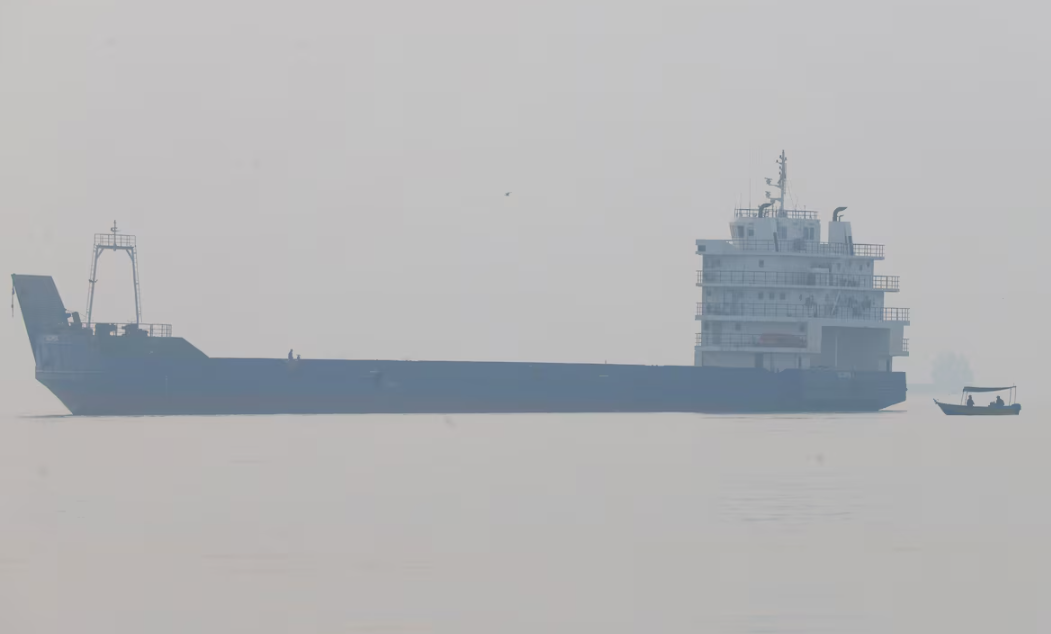
Shipping traffic through the Strait of Hormuz has fallen to its lowest level in more than two months after attacks on tankers intensified, raising fresh concerns about the security of one of the world’s most important energy routes. Data from shipping analytics firms showed a sharp reduction in vessel movements through the waterway even as Middle Eastern exporters increased shipments through alternative routes.
Seven commodity vessels passed through the Strait of Hormuz on Tuesday, the lowest daily figure since July 23, according to Kpler data. Crude oil volumes crossing the strait also declined sharply from their wartime peak, although higher exports through the Gulf of Oman and Red Sea helped offset some of the lost supply.
Hormuz Vessel Traffic Falls Sharply
The number of vessels using the Strait of Hormuz dropped after attacks on tankers reached their highest weekly level since the start of the US-Israeli war with Iran, according to maritime security sources and shipping data.
Kpler recorded just seven commodity vessels passing through the strait on Tuesday. The figure increased to 10 on Wednesday but remained far below the more than 20 vessels recorded on both Sunday and Monday.
LSEG data, which tracks all vessels crossing the waterway, showed eight vessels transited the strait on Tuesday. The number was evenly divided between vessels entering and exiting the waterway, compared with 14 vessels recorded the previous day.
The decline highlights how security concerns can affect shipping activity even when oil-producing countries continue trying to maintain exports.
Crude Oil Flows Through Hormuz Fall 27%
Kpler analysts Emmanuel Belostrino and Yui Torikata said crude oil crossing the Strait of Hormuz fell 27% from the wartime high recorded the previous week.
The flow declined to at least 10.1 million barrels per day, according to the analysts. That volume was back around the September average but represented only about 74% of the pre-war level.
The decline was concentrated largely in ship-to-ship transfers in the Gulf of Oman. These transfers involve cargoes being moved between tankers rather than being transported directly through the main waterway.
A reduction in traffic through the strait is significant because Hormuz is a critical route for energy exports from the Gulf. Any prolonged disruption could affect global crude oil and liquefied natural gas markets.
Alternative Routes Help Maintain Middle East Oil Exports
Despite the decline in Hormuz traffic, Middle Eastern crude exports have not fallen by the same amount. Kpler analysts said exports from the Gulf of Oman coast and the Red Sea increased to 6.7 million barrels per day.
That level was more than twice the pre-war volume and helped compensate for the reduction in crude moving through the Strait of Hormuz.
As a result, overall Middle East crude exports remained around their pre-war level, according to the analysts.
The development shows that oil producers and exporters can partly adjust their logistics when a major shipping route becomes more difficult to use. However, alternative routes may involve different costs, infrastructure limitations and transportation risks.
Why the Strait of Hormuz Is So Important
The Strait of Hormuz connects the Persian Gulf with the Gulf of Oman and the Arabian Sea. It is one of the world’s most strategically important maritime routes because large volumes of crude oil, refined products and liquefied natural gas pass through the waterway.
Before the war began on February 28, about 125 large commercial vessels crossed the strait each day, according to the data cited in the Reuters report. These included oil tankers, gas carriers, bulk carriers and container ships.
The cargo transported through the waterway accounted for roughly one-fifth of global crude oil and liquefied natural gas supplies.
This means that any sustained disruption can have consequences far beyond the countries immediately surrounding the Gulf. Lower traffic can increase shipping costs, raise concerns about supply availability and potentially contribute to higher energy prices.
Tanker Attacks Increase Shipping Risks
Attacks on tankers using the Strait of Hormuz reached their highest weekly level since the beginning of the Iran war last week, according to maritime security sources tracking incidents.
The increase in attacks occurred as Gulf oil producers were also increasing their export efforts.
In the latest reported incident, projectiles struck a tanker about 51 nautical miles north of Qatar’s Madinat ash Shamal, with casualties reported by the United Kingdom Maritime Trade Operations agency.
Incidents involving commercial vessels can have a significant impact on shipping decisions. Ship operators and insurers may reassess routes, risk premiums and operating procedures when security conditions deteriorate.
More Vessels Entering Than Leaving
Shipping data showed another unusual development over the two days covered by the report. More vessels entered the Strait of Hormuz than exited during that period.
This could indicate that some ships were waiting inside the Gulf or that traffic patterns were being affected by the heightened security situation. However, short-term vessel movements do not necessarily indicate the direction of longer-term oil supply flows.
Analysts therefore continue to monitor both ship counts and the volume of commodities being transported through the region.
Some Ships May Not Appear in Tracking Data
Shipping data does not provide a complete picture of vessel movements through the strait. The reported figures exclude vessels that turn off their Automatic Identification System transponders.
Ships can use AIS systems to broadcast information such as their location, speed and direction. When a vessel’s transponder is switched off, it becomes more difficult for tracking services to identify its movements.
As a result, the actual number of vessels crossing the Strait of Hormuz could be higher than the publicly tracked figures.
This limitation is particularly relevant during periods of heightened security, when some operators may take additional steps to reduce the visibility of their movements.
LSEG Tracks Eight Vessels on Tuesday
LSEG’s broader tracking data showed eight vessels crossing the strait on Tuesday. The vessels were evenly split between those entering and leaving the waterway.
The ships included five oil tankers and the liquefied natural gas tanker Al Mafyar.
The LNG tanker had loaded at Ras Laffan in Qatar and was scheduled to travel toward Port Qasim in Pakistan, according to LSEG.
The presence of LNG carriers is particularly important because the Strait of Hormuz is a major route for global liquefied natural gas trade. Qatar is one of the world’s major LNG exporters, making the security of the waterway important for buyers across Asia and other regions.
Why Lower Hormuz Traffic Has Not Yet Caused a Major Supply Shock
The decline in traffic might normally be expected to create significant concern in energy markets because of the huge volume of commodities that typically pass through Hormuz.
However, the increase in exports from the Gulf of Oman and Red Sea has helped cushion the impact. Middle Eastern crude exports overall have remained around pre-war levels, according to Kpler.
This means the immediate effect on global physical oil supply has been more limited than the decline in Hormuz traffic alone might suggest.
Nevertheless, the situation remains fragile. If alternative routes become constrained or attacks spread to additional infrastructure, the ability of exporters to maintain overall shipments could become more difficult.
Impact on Global Oil Markets
The Strait of Hormuz is closely watched by oil traders because disruptions can quickly affect expectations for global crude availability.
When shipping risks increase, traders may price in a higher risk premium even before physical supply is significantly reduced. Higher insurance and transportation costs can also increase the delivered price of crude and petroleum products.
For consumers and businesses, prolonged disruptions could eventually affect fuel prices if the additional costs are passed through supply chains.
However, the current data shows that Middle Eastern producers have been able to maintain overall export volumes by using alternative routes and adjusting shipping patterns.
Key Factors to Watch in the Strait of Hormuz
- Vessel traffic: Continued low numbers of ships could signal persistent concerns about maritime security.
- Crude flows: Traders will monitor whether oil volumes through Hormuz continue to remain below normal levels.
- Alternative routes: Higher exports through the Gulf of Oman and Red Sea are helping offset reduced Hormuz traffic.
- Tanker Attacks: Further incidents could increase insurance costs and discourage shipping companies from using the route.
- LNG shipments: Gas carriers using Hormuz remain important because the waterway handles a major share of global LNG trade.
- Global oil prices: Any sustained reduction in physical exports could increase upward pressure on crude prices.
What Happens If Hormuz Traffic Remains Low?
If vessel traffic remains significantly below normal for an extended period, the impact will depend largely on how effectively exporters can maintain shipments through alternative routes.
Higher exports from the Gulf of Oman and Red Sea currently provide an important buffer. But alternative routes cannot necessarily replace all of the capacity normally available through Hormuz, particularly if security risks increase across the wider region.
Shipping companies may also face higher insurance premiums and operating costs, which could increase the expense of transporting oil and gas even when physical supplies remain available.
For now, the most important signal is that traffic through Hormuz has dropped sharply while overall Middle Eastern crude exports remain relatively resilient. That combination suggests that the energy market is facing significant logistical and security risks, but has not yet experienced a comparable reduction in total regional crude exports.
Outlook for the Strait of Hormuz and Oil Supplies
The next stage of the crisis will depend heavily on maritime security and the ability of Gulf producers to continue using alternative export routes.
A further escalation in tanker attacks could push more shipping companies to reduce or delay voyages through Hormuz. Such a development could increase transportation costs and put additional pressure on global energy markets.
On the other hand, a reduction in attacks and improved security could allow vessel traffic to gradually recover.
With the waterway normally handling a significant share of global oil and LNG supplies, traders, energy companies and governments are likely to continue monitoring every change in vessel movements and export volumes.
Frequently Asked Questions
Why have Strait of Hormuz transits fallen?
Vessel traffic has declined following an increase in attacks on tankers and heightened maritime security risks in the waterway.
How many commodity vessels crossed Hormuz on Tuesday?
Kpler recorded seven commodity vessels crossing the Strait of Hormuz on Tuesday, the lowest daily figure since July 23.
How much did crude oil flows through Hormuz fall?
Kpler said crude crossing the strait fell 27% from the wartime high recorded the previous week to at least 10.1 million barrels per day.
Are Middle East oil exports declining?
Overall Middle East crude exports remained around pre-war levels because higher shipments through the Gulf of Oman and Red Sea helped offset reduced flows through Hormuz.
How much oil is being exported through alternative routes?
Kpler analysts said exports from the Gulf of Oman coast and the Red Sea rose to 6.7 million barrels per day, more than twice their pre-war level.
Why is the Strait of Hormuz important?
The waterway is a major global energy route. Before the war, about 125 large commercial vessels crossed it each day, carrying cargo equivalent to around one-fifth of global crude oil and LNG supplies.
What happened to the tanker north of Qatar?
Projectiles struck a tanker about 51 nautical miles north of Qatar’s Madinat ash Shamal, with casualties reported by the United Kingdom Maritime Trade Operations agency.
Could lower Hormuz traffic push oil prices higher?
Prolonged disruptions could increase upward pressure on oil prices by raising shipping costs and threatening physical supplies, although alternative export routes are currently helping maintain overall Middle East crude shipments.
For breaking news and live news updates, like us on Facebook or follow us on Twitter and Instagram. Read more on Latest Business on thefoxdaily.com.





COMMENTS 0