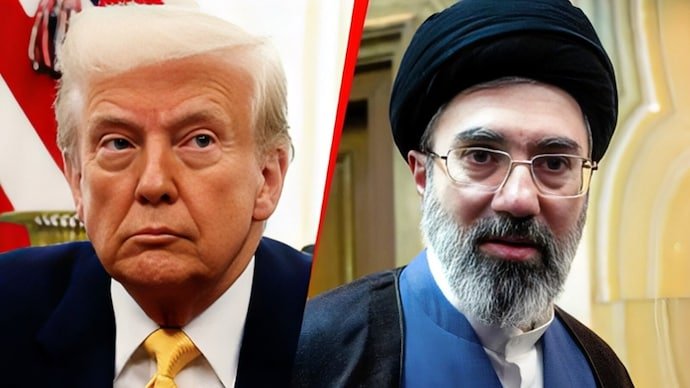
The diplomatic path between the United States and Iran has encountered another major obstacle. While Washington projected optimism by announcing fresh negotiations in Qatar, Tehran responded with an unequivocal denial, insisting that no bilateral talks with American officials were planned.
The contradictory announcements have exposed how fragile the current ceasefire remains, despite recent efforts to halt military confrontation and revive Diplomacy. They also underline a broader challenge that has repeatedly complicated US-Iran Relations for decades: both governments often communicate differently to domestic audiences while pursuing parallel diplomatic objectives behind the scenes.
Whether the disagreement reflects a genuine diplomatic breakdown, differing interpretations of ongoing contacts, or tactical public messaging, it has increased uncertainty at a critical moment for regional security.
Why the Doha Talks Matter
The proposed Doha meeting was expected to become the first significant diplomatic engagement following renewed military tensions surrounding the Strait of Hormuz.
According to the American announcement, discussions were expected to focus primarily on implementing the recently signed memorandum of understanding (MoU), preserving the ceasefire, and preventing additional attacks on commercial shipping.
Instead, Iran’s immediate rejection has shifted attention away from diplomacy and toward the credibility of the broader peace process itself.
Iran’s Position: No Bilateral Negotiations Scheduled
Iran’s Foreign Ministry stated that while an Iranian technical delegation would travel to Qatar, the visit should not be interpreted as negotiations with the United States.
Officials emphasized that:
- No direct US-Iran meetings have been scheduled.
- The delegation’s visit is unrelated to American officials.
- Iran remains focused on implementing the existing memorandum.
- Broader negotiations have not yet formally begun.
By making this distinction, Tehran appears determined to separate technical implementation work from any perception of renewed political negotiations.
Washington’s Position: Talks Are Moving Forward
The White House has presented a very different narrative.
President Donald Trump announced that Iranian representatives had requested a meeting in Doha, suggesting diplomatic momentum remained intact despite recent military exchanges.
Senior administration officials also confirmed plans for high-level American participation, indicating that discussions would include both political and technical components connected to implementing the memorandum of understanding.
This stark contrast between the two governments has naturally generated confusion among international observers and financial markets monitoring developments in the Gulf.
Timeline of the Latest Diplomatic Developments
| Event | Development |
|---|---|
| Ceasefire Agreement | US and Iran sign a 14-point memorandum of understanding. |
| Recent Maritime Incidents | Commercial vessels face attacks in the Strait of Hormuz. |
| Military Response | Both countries accuse each other of violating the ceasefire. |
| US Announcement | President Trump announces planned Doha meeting. |
| Iranian Response | Tehran publicly denies any scheduled bilateral negotiations. |
Why Both Governments May Be Sending Different Messages
Diplomatic communications between rival governments often involve multiple audiences.
The United States may wish to demonstrate continued diplomatic engagement while reassuring allies that efforts to stabilize the region remain active.
Iran, meanwhile, may seek to avoid appearing eager for negotiations before key provisions of the memorandum have been fully implemented, particularly given domestic political sensitivities.
Such differences in public messaging do not necessarily rule out indirect communication through intermediaries or technical channels, but they do complicate efforts to build confidence.
The Memorandum of Understanding Remains the Foundation
Despite the latest disagreement, both governments continue referring to the memorandum of understanding as the basis for future engagement.
The agreement was designed to achieve several objectives:
- End active military hostilities.
- Restore commercial navigation.
- Reduce regional tensions.
- Create conditions for broader negotiations.
- Address longer-term security concerns.
Implementation of these commitments remains central to determining whether the ceasefire can survive.
Why the Strait of Hormuz Is Still the Biggest Challenge
The diplomatic dispute cannot be separated from developments in the Strait of Hormuz.
The narrow waterway remains one of the world’s most strategically important maritime routes, carrying roughly one-fifth of global seaborne crude oil shipments under normal conditions.
Even limited disruptions affect:
- Global oil prices.
- Energy security.
- Shipping insurance.
- Freight costs.
- International financial markets.
As long as disagreements over navigation continue, diplomatic progress is likely to remain vulnerable.
Why Commercial Shipping Has Become Central to Diplomacy
Unlike traditional military negotiations, the current dispute directly affects international trade.
Shipping companies require clear operational rules regarding:
- Approved navigation routes.
- Security escorts.
- Inspection procedures.
- Insurance coverage.
- Maritime safety guarantees.
Any uncertainty increases costs and reduces confidence among global shipping operators.
How Markets Are Watching the Situation
Energy markets respond quickly to geopolitical uncertainty in the Gulf.
Whenever diplomatic negotiations appear to stall, investors often anticipate potential disruptions to oil supplies, leading to increased price volatility.
Although no major supply interruption has yet materialized, traders remain highly sensitive to developments involving both the Strait of Hormuz and US-Iran relations.
Comparison: Washington and Tehran’s Public Positions
| Issue | United States | Iran |
|---|---|---|
| Doha Meeting | Meeting announced. | No bilateral talks scheduled. |
| Technical Delegations | Part of broader discussions. | Separate from US officials. |
| Current Priority | Implementing the MoU through dialogue. | Implementing the MoU before broader negotiations. |
| Military Position | Will respond to future attacks. | Accuses US of violating the agreement. |
Could Indirect Diplomacy Still Continue?
Even when governments publicly deny direct negotiations, diplomatic communication frequently continues through alternative channels.
Countries may exchange messages through mediators, technical experts, partner governments or international organizations without describing those contacts as formal negotiations.
Qatar has repeatedly played such a facilitative role in regional diplomacy, making it a natural venue for indirect engagement if political conditions allow.
What This Means for the Wider Middle East
The current disagreement extends well beyond bilateral US-Iran relations.
Regional governments are closely monitoring whether the ceasefire survives because stability in the Gulf directly affects:
- Regional trade.
- Energy exports.
- Investment flows.
- maritime security.
- Military deployments.
A prolonged diplomatic impasse could encourage greater geopolitical uncertainty across the region.
Expert Insight: Why Diplomatic Contradictions Are Not Uncommon
International negotiations often involve carefully calibrated public messaging that differs from private diplomatic exchanges.
Governments sometimes deny meetings before they occur, minimize ongoing contacts for domestic political reasons, or frame negotiations differently to preserve bargaining positions.
While such contradictions can create confusion, they do not automatically signal the collapse of diplomacy. However, they do make rebuilding trust significantly more difficult.
Possible Scenarios Going Forward
Scenario 1: Quiet Technical Engagement Continues
Although formal political talks remain publicly denied, technical experts continue implementing the memorandum through indirect channels.
Scenario 2: Direct Negotiations Resume Later
Once key ceasefire provisions are implemented, both governments may formally announce a new round of negotiations.
Scenario 3: Diplomatic Breakdown
If disagreements over implementation continue alongside renewed military incidents, the current memorandum could come under increasing pressure.
Future Outlook
The coming days will likely determine whether the conflicting announcements represent a temporary communications gap or a deeper diplomatic disagreement. Much depends on progress in implementing the memorandum of understanding, particularly concerning maritime security and commercial navigation through the Strait of Hormuz.
For both Washington and Tehran, preserving the ceasefire remains strategically important. However, sustained peace will require more than public statements—it will depend on consistent implementation, credible verification and renewed political trust.
Conclusion
Iran’s denial of planned Doha talks has introduced fresh uncertainty into an already fragile peace process. While the United States continues to project confidence that diplomacy is moving forward, Tehran insists that no bilateral negotiations are currently scheduled, highlighting the persistent trust deficit between the two countries.
Whether this contradiction reflects differing diplomatic strategies or genuine disagreement, the broader objective remains unchanged: preventing renewed conflict in one of the world’s most strategically significant regions. As attention shifts back to implementation of the memorandum of understanding, the success of future diplomacy will depend on whether both sides can bridge not only their Policy differences but also their conflicting public narratives.
For breaking news and live news updates, like us on Facebook or follow us on Twitter and Instagram. Read more on Latest World on thefoxdaily.com.






COMMENTS 0