- Understanding the Nobel Peace Prize Process
- Why Trump’s Nomination Is Drawing Attention
- The Bigger Debate: What Counts as “Peace”?
- Other Notable Names in the 2026 Race
- A Unique Insight: The Nobel Prize as a Political Signal
- The Iran Factor and Current Global Tensions
- Controversy Is Nothing New for the Nobel Peace Prize
- Real-World Impact: Why This Matters Beyond Headlines
- What Happens Next?
- Conclusion: Recognition, Controversy, and the Meaning of Peace
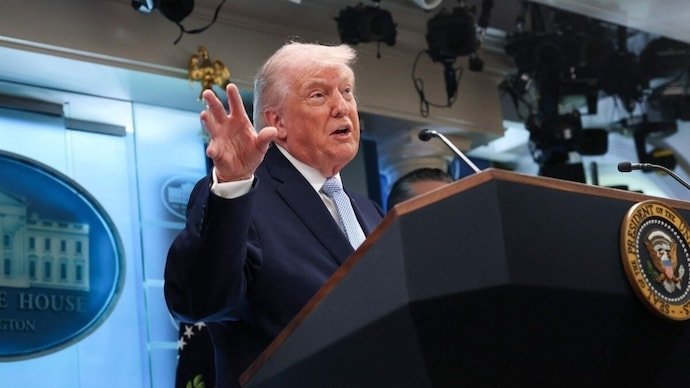
The possibility of Donald Trump receiving the Nobel Peace Prize in 2026 has reignited a global debate that sits at the intersection of politics, Diplomacy, and perception. While nominations for the prestigious award remain officially confidential, multiple political leaders have publicly claimed they nominated the US President, citing his role in Conflict resolution efforts.
At first glance, this might seem like another headline-grabbing moment in Trump’s political journey. But beneath the surface lies a more complex story one that touches on how peace is defined, who gets credit for it, and how global recognition is shaped by politics as much as principle.
Understanding the Nobel Peace Prize Process
Before diving into the Controversy, it’s important to understand how the Nobel Peace Prize works because much of the public confusion starts here.
Each year, the Norwegian Nobel Committee receives hundreds of nominations from eligible individuals, including politicians, academics, and international organizations. For 2026, the committee has confirmed 287 nominations, including both individuals and institutions.
However, a crucial detail often overlooked is this: being nominated does not imply endorsement or likelihood of winning.
In fact:
- Anyone meeting the eligibility criteria can submit a nomination
- The full list remains secret for 50 years
- Public claims of nomination are self-disclosed and cannot be independently verified
This means Trump’s reported nomination while significant places him in a large and highly competitive field.
Why Trump’s Nomination Is Drawing Attention
Donald Trump’s relationship with the Nobel Peace Prize has been long and, at times, vocal. He has repeatedly argued that his diplomatic initiatives deserved greater recognition on the global stage.
The current buzz stems from claims by leaders of countries such as Cambodia, Israel, and Pakistan, who have credited him with efforts to reduce tensions and broker peace in various regions.
Supporters point to several areas often associated with Trump-era diplomacy:
- Engagement with North Korea
- Normalization agreements in the Middle East
- Pressure-based negotiations with adversarial states
Critics, however, argue that these efforts were either incomplete, short-lived, or overshadowed by broader geopolitical instability.
The Bigger Debate: What Counts as “Peace”?
One reason Trump’s potential nomination generates strong reactions is that it forces a broader question: what exactly qualifies someone for the Nobel Peace Prize?
Historically, the award has recognized a wide range of contributions, including:
- Diplomatic breakthroughs
- Human rights advocacy
- Conflict mediation
- Disarmament efforts
But the criteria are not rigid. This flexibility allows the committee to adapt to changing global realities but it also opens the door to controversy.
In Trump’s case, the debate centers on whether assertive, pressure-driven diplomacy should be viewed as a legitimate path to peace.
Other Notable Names in the 2026 Race
Trump is far from the only high-profile figure reportedly in contention. According to public disclosures and reports, the 2026 nominations include a diverse group of candidates:
- Political leaders associated with ongoing conflicts
- Climate activists addressing long-term global risks
- Human rights advocates working in high-risk environments
- Organizations focused on humanitarian relief
This diversity highlights how the concept of “peace” has expanded in recent years from traditional diplomacy to include climate action, social justice, and global cooperation.
Comparison of Candidate Profiles
| Category | Focus Area | Approach to Peace |
|---|---|---|
| Political Leaders | Conflict resolution | Negotiation and diplomacy |
| Activists | Climate and social justice | Long-term systemic change |
| Organizations | Humanitarian aid | Direct impact on affected populations |
A Unique Insight: The Nobel Prize as a Political Signal
One angle often missed in mainstream coverage is that the Nobel Peace Prize is not just an award it’s also a signal.
When the committee selects a winner, it sends a message about what kind of actions the international community should value.
For example:
- A diplomat winning may emphasize negotiation over confrontation
- An activist winning may highlight grassroots change
- A controversial political figure winning may reflect a shift in global priorities
If Trump were to win, it would likely signal a broader acceptance of unconventional, high-pressure diplomacy as a legitimate tool for achieving peace.
That would represent a notable shift in how the prize is perceived.
The Iran Factor and Current Global Tensions
Trump’s reported nomination comes at a time of heightened geopolitical tension, particularly surrounding Iran. His approach to Iran characterized by strong rhetoric and firm policies has been both praised and criticized.
Supporters argue that a tough stance is necessary to prevent nuclear escalation. Critics warn that such strategies risk increasing instability.
This ongoing debate adds another layer to the Nobel discussion, as current global conflicts inevitably shape how past actions are evaluated.
Controversy Is Nothing New for the Nobel Peace Prize
The Nobel Peace Prize has a long history of sparking debate. Several past awards have been met with skepticism or criticism, often reflecting the complexity of global politics.
Examples include:
- Awards given before outcomes were fully realized
- Selections that prioritized symbolism over immediate results
- Decisions that divided public opinion across regions
In this context, Trump’s potential nomination fits a broader pattern where the prize becomes a focal point for larger ideological debates.
Real-World Impact: Why This Matters Beyond Headlines
For many people, the Nobel Peace Prize may seem symbolic. But its influence extends further than recognition alone.
Winning the prize can:
- Boost a leader’s global credibility
- Strengthen diplomatic leverage
- Shape international narratives
- Influence future policy discussions
In Trump’s case, even being associated with the nomination keeps his diplomatic record in global conversation something that carries political value in itself.
What Happens Next?
The Nobel Peace Prize process is deliberately opaque, ensuring independence and reducing external pressure. The final decision will be announced in October 2026, with the award ceremony scheduled for December in Oslo.
Until then, speculation will continue but definitive answers will remain out of reach.
Conclusion: Recognition, Controversy, and the Meaning of Peace
The question of whether Donald Trump could win the Nobel Peace Prize is about more than one ব্যক্তি it’s about how the world defines and rewards efforts toward peace.
His reported nomination highlights the evolving nature of diplomacy, where traditional approaches coexist with more assertive strategies.
Whether or not he ultimately wins, the debate itself is revealing. It underscores the complexity of modern Geopolitics, where achievements are rarely clear-cut and recognition is often contested.
In the end, the Nobel Peace Prize remains as much about shaping the future as it is about honoring the past. And in a world marked by uncertainty, that role may be more important and more debated than ever.
For breaking news and live news updates, like us on Facebook or follow us on Twitter and Instagram. Read more on Latest World on thefoxdaily.com.



COMMENTS 0