- What Triggered Trump’s Latest Warning?
- The Bigger Picture: What Is the “Non-Nuclear Deal”?
- Strait of Hormuz: The Pressure Point That Changes Everything
- A Strategy of Pressure, Not Immediate Conflict
- Why This Moment Matters More Than It Seems
- Timeline of Recent Developments
- The Messaging Strategy: Strong Words as Negotiation Tools
- Comparison: Pressure Strategy vs Traditional Diplomacy
- What Could Happen Next?
- The Real-World Impact: Why It Matters Globally
- Conclusion: A High-Stakes Waiting Game
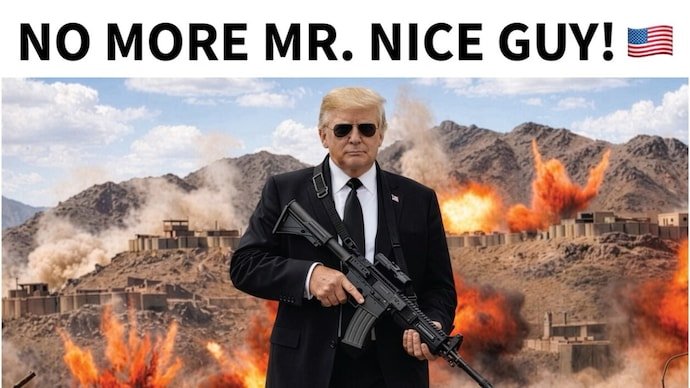
When negotiations stall in geopolitics, language often sharpens and that’s exactly what has happened in the latest chapter of U.S.-Iran tensions. Donald Trump has revived his now-familiar “no more Mr Nice Guy” warning toward Iran, signaling a shift toward a harder, less patient approach as nuclear deal discussions struggle to move forward.
But this is more than just rhetoric. Behind the words lies a complex mix of strategy, pressure tactics, economic leverage, and global consequences especially as tensions ripple through one of the world’s most critical energy corridors: the Strait of Hormuz.
What Triggered Trump’s Latest Warning?
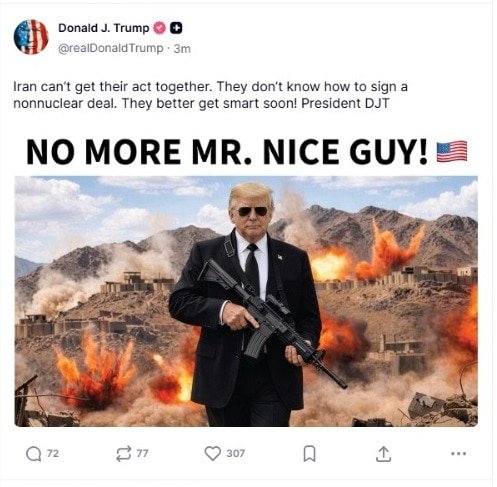
The immediate backdrop is a breakdown in diplomatic momentum. A second round of nuclear-related talks, expected to build on earlier discussions, was abruptly cancelled. That cancellation appears to have marked a turning point, with frustration on both sides spilling into the public domain.
Trump’s message was blunt: Iran, in his view, is failing to act decisively on a potential agreement. His criticism centers on Tehran’s inability or unwillingness to finalize what he describes as a “non-nuclear deal,” aimed at preventing uranium enrichment and eliminating the pathway to nuclear weapons.
This isn’t the first time such a warning has been issued. Earlier remarks hinted at patience running thin. Now, the tone suggests that patience may have run out.
The Bigger Picture: What Is the “Non-Nuclear Deal”?
At the heart of the standoff is a proposed agreement framework that goes beyond traditional nuclear limits. The idea is to create a stricter arrangement that not only curbs uranium enrichment but also imposes broader restrictions on Iran’s capabilities.
From Washington’s perspective, this represents a long-term security guarantee. From Tehran’s standpoint, however, such demands may be seen as excessive or one-sided.
This fundamental disagreement explains why negotiations have struggled to gain traction. Each side believes it is negotiating from a position of strength and neither appears ready to concede.
Strait of Hormuz: The Pressure Point That Changes Everything
While political statements dominate headlines, the real leverage lies in geography.
The Strait of Hormuz is one of the most strategically important waterways in the world. A significant portion of global Oil Supply passes through this narrow corridor. Any disruption here doesn’t just affect the region it sends shockwaves through global markets.
Recent developments suggest that maritime traffic has sharply declined, raising concerns about supply disruptions. This is where Trump’s strategy becomes clearer: economic pressure through restricted oil flow.
By tightening control over this chokepoint, the U.S. aims to squeeze Iran’s economy without immediately escalating into full-scale military conflict.
A Strategy of Pressure, Not Immediate Conflict
According to emerging reports, the current approach leans heavily on sustained pressure rather than direct confrontation.
This includes:
- Maintaining or extending blockades
- Restricting oil exports
- Applying economic strain over time
The logic is simple but high-risk: force compliance through pressure rather than war.
This strategy reflects a calculated decision. military escalation carries unpredictable consequences, while economic pressure offers a slower but potentially more controlled path.
Why This Moment Matters More Than It Seems
At first glance, this may appear to be just another episode in a long-running geopolitical rivalry. But several factors make this moment particularly significant:
1. Global Energy Markets Are at Risk
Any disruption in the Strait of Hormuz can quickly translate into higher fuel prices worldwide. For countries already dealing with Inflation, this adds another layer of economic stress.
2. Diplomatic Space Is Shrinking
With talks cancelled and rhetoric intensifying, the room for compromise is narrowing. Once positions harden, reversing course becomes politically difficult.
3. Regional Stability Is Under Pressure
Tensions involving maritime incidents and military posturing increase the risk of miscalculation where a small incident could trigger a larger conflict.
Timeline of Recent Developments
| Phase | Key Development |
|---|---|
| Early Talks | Initial discussions begin on a revised nuclear framework |
| Escalation | Iran reinstates blockade measures in Strait of Hormuz |
| Warning Issued | Trump signals tougher stance with “no more Mr Nice Guy” remark |
| Talks Collapse | Second round of negotiations cancelled |
| Current Phase | Increased economic pressure and stalled diplomacy |
The Messaging Strategy: Strong Words as Negotiation Tools
Trump’s communication style has always been direct and often deliberately provocative. But in diplomatic terms, such statements are rarely just emotional reactions. They serve a purpose.
Strong rhetoric can:
- Signal seriousness to the opposing side
- Reassure domestic audiences of firm leadership
- Shape the narrative before negotiations resume
However, it also carries risks. Harsh language can harden positions on the other side, making compromise even more difficult.
Comparison: Pressure Strategy vs Traditional Diplomacy
This situation highlights a broader shift in how negotiations are approached.
| Traditional Diplomacy | Pressure-Based Strategy |
|---|---|
| Gradual negotiations | Immediate economic pressure |
| Mutual concessions | One-sided demands initially |
| Long-term dialogue | Short-term leverage tactics |
| Lower immediate risk | Higher immediate tension |
The current approach leans heavily toward pressure faster, more forceful, but also more volatile.
What Could Happen Next?
Several scenarios are now in play, each with its own implications:
- Negotiations Resume: Both sides return to the table under increased pressure
- Extended Stalemate: Economic pressure continues without resolution
- Escalation: A miscalculation leads to military confrontation
Of these, the first remains the most stable but also the most uncertain given current tensions.
The Real-World Impact: Why It Matters Globally
This isn’t just a U.S.-Iran issue. The ripple effects are global.
For everyday people, the impact may show up in unexpected ways:
- Rising fuel prices
- Increased cost of goods due to transport expenses
- Market instability affecting investments and currencies
For governments, it adds pressure to manage both economic and security challenges simultaneously.
Conclusion: A High-Stakes Waiting Game
Donald Trump’s renewed warning to Iran is more than a headline it’s a signal that the current phase of diplomacy is shifting toward confrontation, even if indirectly.
With talks stalled, pressure mounting, and global markets watching closely, the situation has entered a delicate phase. Every move now carries weight, and every statement shapes what comes next.
The coming weeks will be critical. Whether this moment leads back to negotiation or further into confrontation will depend not just on strategy but on timing, restraint, and the willingness of both sides to step back from the edge.
For breaking news and live news updates, like us on Facebook or follow us on Twitter and Instagram. Read more on Latest World on thefoxdaily.com.





COMMENTS 0