Oil Prices edged higher on Tuesday as traders balanced two competing forces in the global crude market: stronger-than-expected Middle East exports and renewed security risks around key shipping routes. Brent crude remained close to the $100-a-barrel level, while West Texas Intermediate also gained slightly as geopolitical concerns kept a risk premium in prices.
Brent crude futures rose 27 cents, or 0.3%, to $100.59 a barrel at around 0330 GMT. US West Texas Intermediate crude futures increased 30 cents, or 0.3%, to $89.73 a barrel.
The modest gains came despite evidence that oil producers in the Middle East have managed to keep significant volumes moving even as the conflict has disrupted shipping and raised concerns about the security of energy infrastructure. Traders are increasingly focused on whether resilient exports can continue or whether further attacks on tankers and regional facilities could create fresh supply disruptions.
Middle East Oil Exports Remain Surprisingly Resilient
One of the most important developments for the oil market has been the continued movement of crude from the Middle East. Shipping data indicated that regional crude exports exceeded pre-war levels on several days during late September.
According to Priyanka Sachdeva, head of market insights at Phillip Nova, alternative shipping routes and logistical adjustments have helped producers maintain oil flows despite disruption around the Strait of Hormuz.
However, stronger exports do not necessarily mean that the regional oil market has returned to normal. Tanker operators are facing higher insurance costs, security risks and transportation expenses, while vessels may need to take alternative routes to avoid areas considered unsafe.
This distinction is important for oil traders. Physical barrels may still be reaching international markets, but the cost and complexity of transporting those barrels can remain elevated.
Gulf Oil Flows Recover Despite Regional Conflict
Data showed that Gulf oil flows excluding Iran surged to more than 81% of pre-war levels in September. The recovery was led by Saudi Arabia, one of the world’s most important oil exporters.
Saudi crude exports have recovered even as the kingdom has faced attacks on parts of its oil infrastructure and heightened security concerns across the region. The resilience of Saudi exports has helped reduce fears of an immediate global supply shortage.
Iran’s exports, by contrast, fell to zero amid a US blockade. The sharp difference between Iranian supply and the flows from other Gulf producers highlights how uneven the impact of the conflict has been across the regional oil industry.
For the global market, the key question is whether other producers can continue compensating for lost Iranian barrels while maintaining reliable shipments through vulnerable maritime routes.
G7 Emergency Oil and Diesel Release Adds Supply Cushion
Another factor limiting upward pressure on crude prices is the decision by G7 countries to release emergency fuel stocks. The group agreed on Friday to release 100 million barrels of diesel and crude from emergency reserves.
The move followed pressure from US President Donald Trump and was accompanied by a pledge to refrain from energy export restrictions. The announcement is designed to provide an additional supply cushion at a time when traders remain concerned about possible disruptions to Middle Eastern energy flows.
Emergency stockpile releases can influence oil markets by reducing fears of an immediate physical shortage. They can also give governments and refiners additional flexibility if commercial supplies become harder or more expensive to obtain.
Nevertheless, the release does not eliminate the underlying geopolitical risks. Traders remain concerned that an escalation involving major oil-producing countries or critical shipping routes could affect supplies more quickly than emergency stocks can compensate.
Strait of Hormuz Remains a Major Market Risk
The Strait of Hormuz remains central to the oil market because of its importance to global energy transportation. Any sustained disruption in the waterway could affect the movement of crude and refined products from major Gulf producers to international customers.
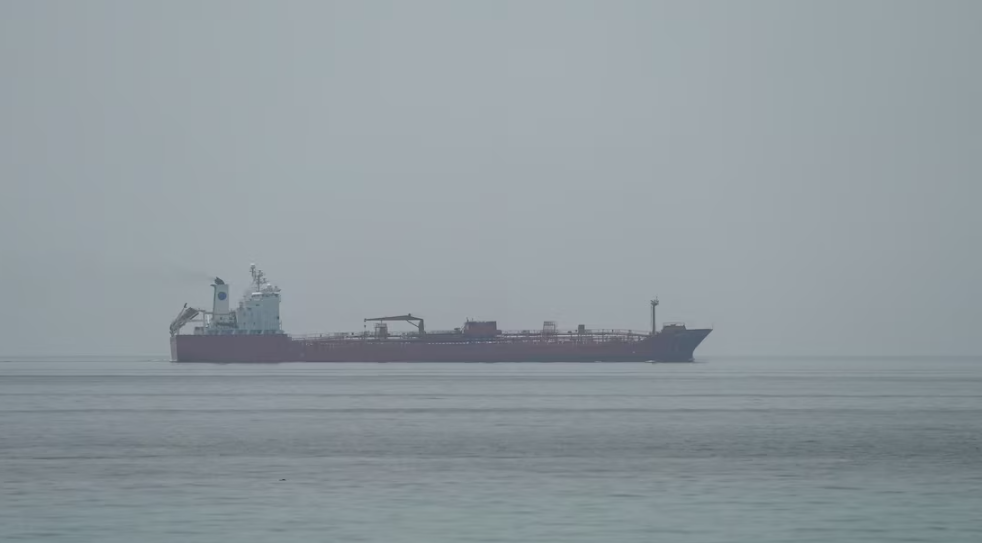
Recent attacks on tankers have increased concerns about the security of commercial shipping. Although crude continues to move, rising incidents are increasing the cost and risk associated with transporting oil.
Market participants are therefore watching tanker activity closely. A prolonged increase in attacks could force more vessels to change routes, raise insurance premiums and extend delivery times. These factors could push up the delivered cost of crude even if production remains relatively stable.
The market is consequently facing an unusual situation in which physical exports appear relatively resilient while the transportation system remains under significant pressure.
Saudi Arabia Faces Additional Supply Disruption Risks
Saudi Arabia is another major focus for traders because of its role as the world’s largest oil exporter and its exposure to regional security risks.
The conflict involving Saudi Arabia and Iran-backed Houthi forces in Yemen continued to create uncertainty over the safety of energy infrastructure and shipping routes.
Saudi-backed Yemeni government forces staged a rapid advance on Monday in an attempt to retake territory along the coast near the Bab el-Mandeb Strait, extending toward the city of Mocha.
The Houthis responded by saying they had attacked important locations in Saudi Arabia, including an Aramco refinery in Rabigh. The claims could not immediately be independently verified.
Any confirmed damage to major Saudi energy facilities would be closely watched by oil traders because disruptions in Saudi production, refining or exports could have a much larger impact on global prices than disruptions involving smaller producers.
US-Iran Talks Add Another Layer of Uncertainty
Oil markets are also monitoring the stalled discussions between the United States and Iran. The lack of progress has added to uncertainty over the direction of regional tensions.
For traders, a diplomatic breakthrough could reduce geopolitical risk and potentially improve expectations for future supply availability. On the other hand, a further deterioration in relations could increase the possibility of additional restrictions or disruptions affecting Iranian oil and regional shipping.
Iran’s exports have already been sharply affected by the US blockade, meaning that the market has largely removed those barrels from its near-term supply expectations.
The bigger concern is whether tensions spread beyond Iran and begin affecting the output or export infrastructure of other major producers in the Gulf.
Low Oil Inventories Keep Traders Cautious
While stronger Middle East exports and the planned emergency stockpile release are easing some supply concerns, oil prices have not fallen sharply because inventories remain relatively low.
Vivek Dhar, an analyst at Commonwealth Bank of Australia, said low oil inventories are one reason market participants remain reluctant to assume that lower prices can be sustained.
Low inventories can make the oil market more sensitive to unexpected disruptions. When commercial stocks are limited, even a temporary interruption at a major production facility, refinery or shipping route can have a greater influence on prices.
This helps explain why Brent crude continues to trade around the psychologically important $100-a-barrel level despite evidence of stronger regional exports.
Shipping Costs Signal Continued Supply Chain Pressure
Another warning sign for the oil market is the sharp increase in shipping rates between the Gulf and Asia.
Gulf-to-Asia shipping rates have reached new record highs, highlighting the pressure on the maritime transportation system. Higher freight costs can increase the final price paid by refiners even when the underlying crude price remains relatively stable.
Shipping disruptions also create challenges for refiners that depend on predictable delivery schedules. Longer routes, higher insurance costs and security precautions can all increase operating expenses.
For oil traders, the shipping market therefore provides an important indication of underlying stress that may not be visible from crude prices alone.
Why Oil Prices Are Holding Near $100
The current oil market is being shaped by a balance between improving physical supply and continuing geopolitical risks.
- Middle East crude exports have recovered substantially despite the conflict.
- Saudi Arabia has helped support regional supply after earlier disruptions.
- G7 countries plan to release 100 million barrels of diesel and crude from emergency reserves.
- Tanker attacks around key shipping routes are increasing transportation and security risks.
- Low oil inventories are making traders more sensitive to unexpected disruptions.
- Record-high Gulf-to-Asia shipping rates indicate continued pressure across the supply chain.
These factors are pulling prices in opposite directions. Stronger exports and emergency reserves reduce the risk of an immediate supply shortage, while geopolitical tensions and shipping disruptions prevent traders from becoming confident that oil prices can move significantly lower.
What Traders Will Watch Next
The next direction for crude prices will depend heavily on whether Middle East exports remain stable and whether security conditions around major shipping routes improve or deteriorate.
Traders will also watch developments involving Saudi Arabia, Iran and Yemen, particularly any confirmed attacks on oil infrastructure or commercial vessels. Evidence of sustained disruptions could quickly increase the geopolitical premium embedded in crude prices.
At the same time, continued high export volumes could reduce the market’s fear of a physical shortage and place downward pressure on prices. The pace at which G7 emergency stocks enter the market will also matter for near-term supply expectations.
For now, the market appears caught between relatively strong physical oil flows and elevated geopolitical risk. That combination is keeping Brent close to $100 a barrel while limiting the impact of improving export data.
Oil Market Outlook
The immediate outlook for crude remains highly sensitive to developments in the Middle East. If producers continue to maintain exports and shipping routes remain operational, supply concerns could gradually ease. However, repeated tanker attacks, damage to energy infrastructure or a wider regional escalation could quickly reverse that trend.
The resilience of Middle East exports has prevented a more severe supply shock so far, but transportation risks remain a critical weakness. As long as insurance, freight and security costs stay elevated, traders are likely to maintain a geopolitical risk premium in oil prices.
With Brent near $100 a barrel, the market is effectively pricing a balance between strong current supply flows and the possibility of future disruption. The coming days will show whether that balance can hold or whether renewed tensions force crude prices higher.
FAQs
Why did oil prices rise on October 6, 2026?
Oil prices edged higher because geopolitical risks in the Middle East continued to support a risk premium despite stronger regional crude exports and plans by G7 countries to release emergency fuel stocks.
What was the Brent crude price?
Brent crude futures were up 27 cents, or 0.3%, at $100.59 a barrel at around 0330 GMT on October 6.
What was the WTI crude price?
US West Texas Intermediate crude futures rose 30 cents, or 0.3%, to $89.73 a barrel at around 0330 GMT.
Are Middle East oil exports recovering?
Yes. Shipping data showed that regional crude exports exceeded pre-war levels on several days in late September, while Gulf oil flows excluding Iran recovered to more than 81% of pre-war levels in September.
Why is the Strait of Hormuz important for oil prices?
The Strait of Hormuz is a major energy shipping route. Any sustained disruption could make it more difficult and expensive to transport crude and refined products from Gulf producers to international markets.
What did the G7 decide about emergency oil stocks?
G7 countries agreed to release 100 million barrels of diesel and crude from emergency reserves and pledged to refrain from energy export restrictions.
Why are shipping costs important for the oil market?
Higher shipping costs increase the expense of transporting crude to major consuming regions. Record-high Gulf-to-Asia shipping rates indicate continued pressure on the oil transportation system.
What could push oil prices higher from here?
Further attacks on tankers, damage to major energy infrastructure, disruptions around key shipping routes or a wider escalation in the Middle East could increase supply concerns and push crude prices higher.
For breaking news and live news updates, like us on Facebook or follow us on Twitter and Instagram. Read more on Latest Business on thefoxdaily.com.






COMMENTS 0