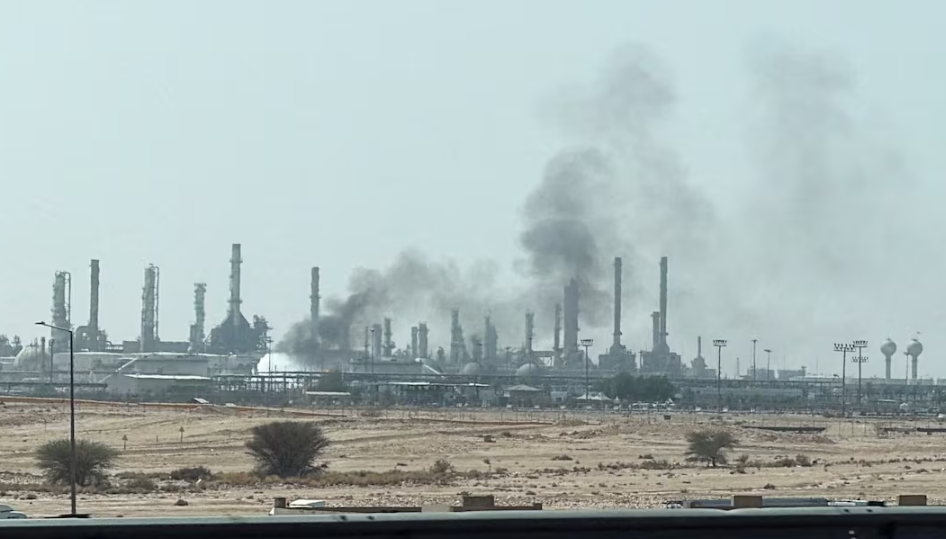
Oil Prices climbed on Wednesday as traders weighed fresh threats to global crude supplies from a storm approaching the US Gulf Coast and escalating attacks involving Yemen’s Iran-backed Houthis and Saudi Arabia. The latest risks come even as Middle East crude exports recover from earlier disruptions, leaving markets focused on whether additional supply losses could tighten already-sensitive Energy Markets.
Brent crude futures rose $1.05, or 1.04%, to $101.63 a barrel by 0400 GMT, while US West Texas Intermediate (WTI) crude gained 80 cents, or 0.89%, to $90.24 a barrel. The moves reflected renewed concern that weather disruptions and geopolitical tensions could affect production, refining and transportation.
US Gulf Storm Raises Fresh Oil Supply Concerns
A major factor supporting oil prices was a storm forming in the Gulf of Mexico. US forecasters said on Tuesday that the system was expected to become the first Atlantic hurricane of 2026 within two days and could affect oil and gas production facilities in the region.
The Gulf of Mexico is critical to the US energy industry. Offshore areas in the storm’s projected path account for around 15% of US Crude Oil production and 5% of US natural gas output.
A disruption to offshore platforms could temporarily reduce crude production. Storms can also complicate tanker movements, force producers to evacuate workers and affect infrastructure used to transport energy supplies.
For oil traders, the timing is particularly important because the market is already dealing with geopolitical risks in the Middle East. Even a temporary disruption in US production or refining could add another source of uncertainty to global supply conditions.
Refineries Could Also Face Disruptions
The potential impact of the storm extends beyond crude production. Several refineries could also be affected as the weather system approaches the US Gulf Coast.
Refineries located in the US Gulf states account for about half of the country’s total refining capacity of approximately 18.2 million barrels per day. Any significant interruption could therefore affect supplies of gasoline, diesel and other refined petroleum products.
Refinery disruptions can have a different impact from crude production outages. Even when enough crude is available, reduced refining capacity can tighten supplies of finished fuels and push refining margins higher.
KCM Trade chief analyst Tim Waterer described the storm as an unwelcome complication for the crude market because it raises the possibility of production and refining disruptions while the energy market is already dealing with several supply-side concerns.
US Crude Inventories Fall
Another factor supporting oil prices was a reported decline in US crude inventories. Market sources citing data from the American Petroleum Institute said US crude stocks fell by 2.09 million barrels in the week ended October 2.
A decline in inventories can provide support to oil prices because it suggests that available crude supplies may be tightening. However, the API figures are industry data, and traders typically look for confirmation from official US inventory data before drawing firm conclusions about nationwide stock levels.
Lower inventories could become more significant if the approaching storm causes additional production or refining disruptions. A combination of falling stocks and temporary supply interruptions could increase market sensitivity to further energy shocks.
Middle East Oil Supplies Are Recovering
Despite the latest risks, Middle East oil supplies have shown signs of recovery. Saudi Arabia’s East-West pipeline had reached a throughput of 5.8 million barrels per day, according to Saudi Energy Minister Prince Abdulaziz bin Salman.
The recovery is important because the region has experienced significant uncertainty surrounding oil production, exports and shipping routes during the conflict.
The head of oil trader Vitol said around 12 million barrels per day of crude oil and approximately 2 million barrels per day of refined petroleum products had left the Middle East on tankers during the previous seven to 10 days.
Those flows indicate that a substantial volume of energy products continues to reach international markets. Rising exports can reduce fears of an immediate global supply shortage and help limit upward pressure on crude prices.
Saudi Arabia Faces New Attacks
Geopolitical risks nevertheless remain elevated. Saudi Arabia’s airports in Jazan and Najran were targeted in two attacks on Monday evening, according to the Saudi aviation authority.
The attacks came as Saudi-backed Yemeni government forces continued an offensive against the Houthis. Saudi Arabia has increased airstrikes in support of the campaign following weeks of advances by Houthi forces.
Any expansion of the conflict creates concerns for energy markets because Saudi Arabia is one of the world’s largest oil producers and a major exporter of crude and refined petroleum products.
Traders are therefore monitoring not only direct attacks on energy facilities but also threats to airports, ports, pipelines, shipping routes and other infrastructure that could interfere with the movement of petroleum.
Shipping Risks Keep Oil Traders Nervous
Energy markets have become increasingly sensitive to attacks involving commercial shipping in and around the Middle East. Tankers are essential to moving crude and refined products from producing countries to major consuming markets in Asia, Europe and elsewhere.
Even when production continues normally, attacks or threats against shipping can increase transportation costs, delay deliveries and force vessels to take longer routes.
ING commodity strategists said the market was likely to remain nervous about potential supply disruptions, noting that Middle East supply risks remained significant amid continued attacks on ships.
Higher shipping costs can eventually feed into crude and refined-product prices. Traders therefore watch maritime security alongside production figures when assessing the outlook for oil.
Why Oil Prices Remain Above $100
Brent crude has remained around the psychologically important $100-a-barrel level as traders balance improving physical supplies against continuing geopolitical risks.
Mukesh Sahdev, chief oil analyst at X Analysts in Sydney, said attacks and refinery outages were likely to keep refining premiums elevated and allow scarcity in refined products to affect crude prices.
He also said crude prices could remain near $100 without a material reduction in geopolitical tensions.
This highlights the unusual balance currently facing the oil market. On one side, Middle East exports are recovering and significant volumes are reaching international markets. On the other, attacks, refinery outages and weather threats could quickly remove some of that available supply.
Saudi Pipeline Recovery Provides Some Relief
The recovery in Saudi Arabia’s East-West pipeline is one of the more positive developments for the global oil market. The pipeline is an important part of Saudi Arabia’s internal energy infrastructure and helps move crude from eastern production areas toward the Red Sea.
Higher pipeline throughput suggests that Saudi Arabia is restoring its ability to move crude efficiently despite the wider security environment.
However, traders remain cautious because infrastructure recovery does not eliminate risks elsewhere in the supply chain. Oil must still be transported by sea to reach many international buyers, leaving shipping security as a major concern.
US Storm and Middle East Risks Create a Complex Market
The simultaneous emergence of weather and geopolitical risks makes the current oil market particularly difficult to assess.
- US Gulf storm: The developing hurricane could disrupt crude production and refinery operations.
- Lower US inventories: Industry data showed a 2.09 million-barrel decline in crude stocks.
- Middle East exports: Large volumes of crude and refined products continue to leave the region.
- Saudi infrastructure: The East-West pipeline has recovered to 5.8 million barrels per day.
- Houthi attacks: Continued attacks are increasing concerns about regional security and shipping.
- Refinery risks: Outages could tighten refined-product supplies even if crude production remains strong.
The interaction between these factors will likely determine the direction of oil prices in the near term.
US-Iran Tensions Add to Market Uncertainty
US-Iran relations remain another source of uncertainty for energy traders. US President Donald Trump said on Tuesday that it was unclear who was running Iran during the eight-month US-Israeli war with Iran.
The comments underscore the continuing uncertainty surrounding the broader geopolitical situation in the Middle East.
For oil markets, developments involving major regional producers and shipping routes can have an immediate effect on prices because traders must assess not only current supply but also the possibility of future disruptions.
What Could Happen to Oil Prices Next?
The immediate direction of oil prices is likely to depend on whether the US storm causes meaningful production or refining losses and whether Middle East attacks escalate further.
If the storm passes without major damage, the temporary risk premium could fade. Similarly, continued recovery in Middle East exports could put downward pressure on prices by improving physical availability.
However, significant disruptions to US Gulf production or refining, combined with further attacks on energy infrastructure or commercial shipping, could strengthen the case for higher prices.
With Brent already above $100 a barrel, traders are likely to remain highly sensitive to new developments. The market is balancing recovering supplies against a series of potential disruptions, making geopolitical and weather developments especially important for crude prices.
Frequently Asked Questions
Why did oil prices rise on October 7, 2026?
Oil prices rose as traders assessed the potential impact of a storm approaching US Gulf oil-producing areas and continuing attacks involving Yemen’s Houthis and Saudi Arabia.
What was the price of Brent crude?
Brent crude futures rose $1.05, or 1.04%, to $101.63 a barrel by 0400 GMT on October 7.
What was the price of WTI crude?
US West Texas Intermediate crude futures rose 80 cents, or 0.89%, to $90.24 a barrel by 0400 GMT.
How could the US Gulf storm affect oil supplies?
The storm could disrupt offshore crude production and affect refineries and other energy infrastructure along the US Gulf Coast.
How much US crude oil production comes from offshore Gulf areas?
The offshore areas in the storm’s projected path produce about 15% of US crude oil output.
Did US crude inventories fall?
Yes. Industry data cited by market sources indicated that US crude inventories fell by 2.09 million barrels in the week ended October 2.
Are Middle East oil exports recovering?
Yes. Saudi Arabia’s East-West pipeline had recovered to 5.8 million barrels per day, while substantial volumes of crude and refined products were continuing to leave the Middle East.
Why are traders still concerned about Middle East oil supplies?
Traders remain concerned because attacks on energy facilities, airports and commercial shipping could disrupt production, refining or transportation even as regional oil exports recover.
For breaking news and live news updates, like us on Facebook or follow us on Twitter and Instagram. Read more on Latest Business on thefoxdaily.com.






COMMENTS 0