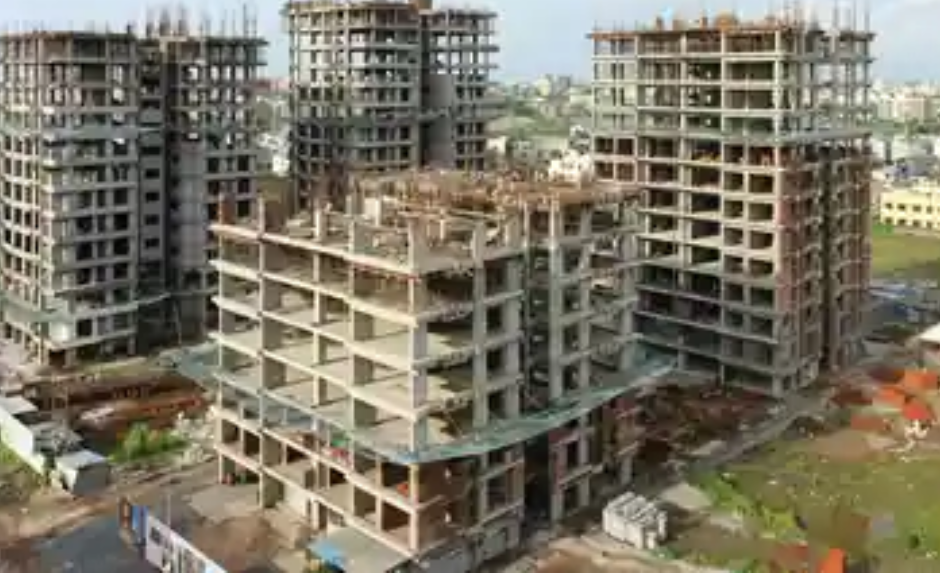
Uttar Pradesh’s real estate sector has received a significant boost after the Uttar Pradesh Real Estate Regulatory Authority (UP RERA) approved 13 residential and commercial projects involving an estimated investment of ₹2,380.04 crore across six districts. The approvals are expected to add 4,724 new residential and commercial units while increasing construction activity and employment across the state.
The projects have been approved in Barabanki, Lucknow, Varanasi, Ghaziabad, Gautam Buddh Nagar and Agra. Barabanki recorded the highest proposed investment, while Lucknow emerged as the district with the largest number of units. The approvals come as Uttar Pradesh continues to expand housing and urban infrastructure in response to growing demand around major cities and emerging urban centres.
UP RERA Approves 13 Projects Worth ₹2,380.04 Crore
The latest approvals were granted during the 212th and 213th meetings of UP RERA, held at the authority’s headquarters under the chairmanship of Sanjay Bhoosreddy.
According to the authority, the 13 projects collectively represent an estimated investment of ₹2,380.04 crore. Once developed, they are expected to provide 4,724 residential and commercial units across six districts.
The project approvals are significant not only because of the number of homes and commercial spaces involved but also because real estate construction has a multiplier effect on the wider economy. Developers require construction materials, engineering services, transportation, labour and several other supporting services, creating economic activity beyond the project sites themselves.
Barabanki Tops Uttar Pradesh in Proposed Real Estate Investment
Barabanki emerged as the biggest district in terms of proposed investment among the six locations covered by the latest approvals.
Two residential projects in the district have received approval with a combined estimated investment of ₹751.42 crore. Together, these projects are expected to create 591 residential units.
Barabanki’s position is particularly notable because the district is located next to Lucknow. Its proximity to the state capital gives it potential to benefit from the wider expansion of the Lucknow urban region, including demand for housing, infrastructure and supporting services.
The development pattern also shows how real estate growth can gradually move beyond the boundaries of a major metropolitan centre. As land availability, pricing and connectivity influence developers, adjoining districts can become increasingly important destinations for new housing projects.
Lucknow Leads in Number of New Units
While Barabanki has the highest proposed investment, Lucknow leads the latest approvals in terms of the number of units.
A single residential project in Lucknow has been approved with an estimated investment of ₹385.76 crore. The project is expected to contain 1,392 units.
The difference between investment value and unit count is important. It indicates that real estate activity cannot be measured through investment alone. The type of development, land value, unit size, project positioning and location can all influence the amount invested in a project.
For homebuyers, the addition of more units could eventually increase housing choices in the city, although the final impact will depend on project completion, pricing, location and actual market demand.
Varanasi Gets Three Residential Projects
Varanasi has also received a substantial share of the latest approvals. Three residential projects involving an estimated investment of ₹750.24 crore have been approved in the district.
These projects are expected to provide 1,189 residential units.
Varanasi has developed into an important urban, cultural, tourism and infrastructure centre in Uttar Pradesh. Continued investment in residential development reflects the broader transformation of the city and the demand created by population growth, economic activity and infrastructure development.
The scale of the proposed projects also suggests that developers are looking beyond traditional property markets and assessing opportunities in cities where urbanisation and infrastructure investment can support long-term housing demand.
Ghaziabad Projects Include Residential and Commercial Development
Ghaziabad has received approval for three projects, including two commercial developments and one residential project.
The combined estimated investment is ₹286.27 crore, with the projects expected to create 864 units.
Ghaziabad occupies a strategically important position within the National Capital Region. Its proximity to Delhi and its links with other parts of the NCR make it an important market for both residential and commercial real estate.
The inclusion of commercial projects is also significant because successful urban development requires more than housing. Offices, retail spaces and other commercial facilities can support employment and local economic activity while creating demand for nearby residential areas.
Gautam Buddh Nagar Adds Residential and Commercial Projects
Gautam Buddh Nagar, which includes Noida, has received approval for one residential and one commercial project.
The two projects involve an estimated investment of approximately ₹186 crore and are expected to create 564 units.
Noida and the wider Gautam Buddh Nagar region have become major centres for technology, business, manufacturing, offices and modern residential development. New project approvals in the district therefore add to an already active real estate ecosystem.
The combination of residential and commercial development can also strengthen the connection between where people live and where they work. This is particularly relevant in rapidly urbanising areas where employment centres and housing demand grow together.
Agra Receives Two Residential Project Approvals
Agra has received approval for two residential projects with an estimated combined investment of ₹20.35 crore. The projects are expected to provide 124 units.
Although Agra’s investment figure is considerably smaller than those of Barabanki, Varanasi and Lucknow, the approval still adds to the city’s formal housing supply.
Real estate development in cities such as Agra can be influenced by tourism, local employment, population growth and infrastructure improvements. Smaller projects can therefore play an important role in meeting local housing requirements even when their total investment is relatively modest.
District-Wise UP RERA Project Approvals
| District | Projects | Estimated Investment | Expected Units |
|---|---|---|---|
| Barabanki | 2 | ₹751.42 crore | 591 |
| Lucknow | 1 | ₹385.76 crore | 1,392 |
| Varanasi | 3 | ₹750.24 crore | 1,189 |
| Ghaziabad | 3 | ₹286.27 crore | 864 |
| Gautam Buddh Nagar | 2 | About ₹186 crore | 564 |
| Agra | 2 | ₹20.35 crore | 124 |
| Total | 13 | ₹2,380.04 crore | 4,724 |
Why the ₹2,380 Crore Investment Matters
The proposed investment represents more than a real estate headline. Large construction projects generate demand across multiple parts of the economy.
Developers require cement, steel, electrical equipment, plumbing products, tiles, glass, machinery and other construction materials. Projects also require architects, engineers, contractors, security personnel, maintenance workers, transport operators and other service providers.
As a result, the impact of ₹
For breaking news and live news updates, like us on Facebook or follow us on Twitter and Instagram. Read more on Latest Business on thefoxdaily.com.

COMMENTS 0