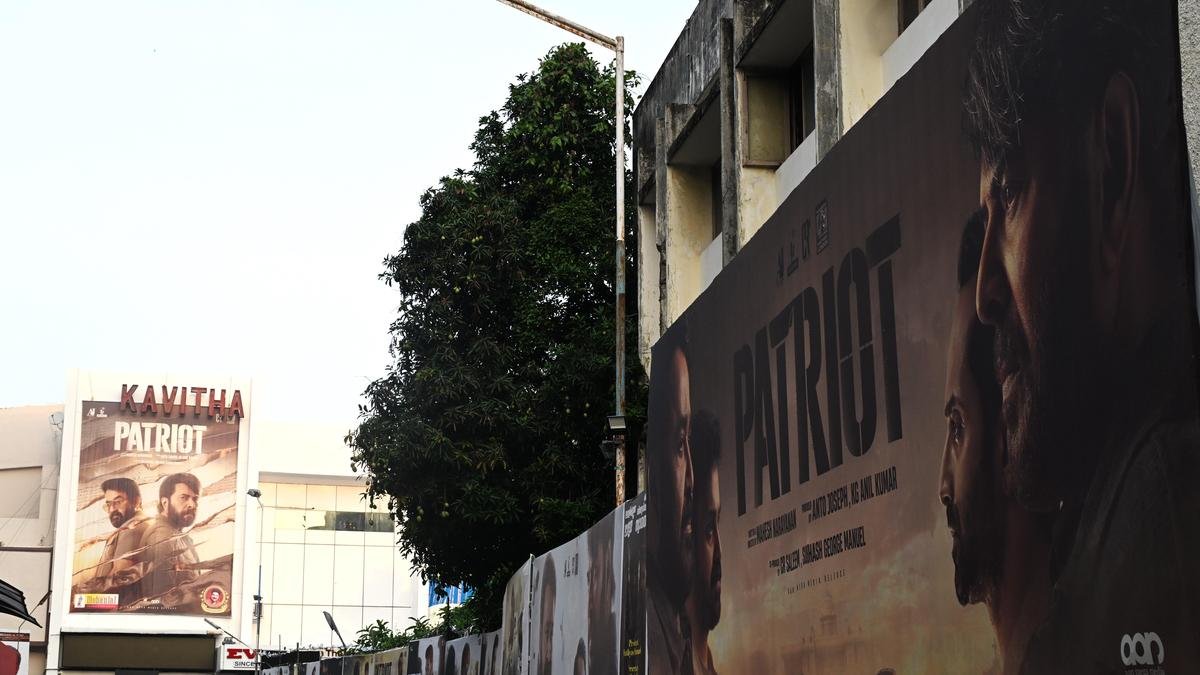
The first half of 2026 proved to be another reminder that the Malayalam film industry continues to be one of India’s most unpredictable yet creatively ambitious film ecosystems. While Mollywood has earned a reputation for consistently delivering critically acclaimed cinema, the commercial reality between January and the second week of July painted a mixed picture.
According to estimates from the Kerala Film Chamber of Commerce, nearly 80 Malayalam films were released during this period, but only around 10–12% managed to leave a significant mark at the box office. The figures underline a widening gap between the number of films being produced and the number that are able to attract audiences to theatres.
Despite the disappointing success ratio, the first six months also demonstrated why Malayalam Cinema continues to command national attention. Content-driven films, fresh storytelling, and a willingness to experiment remained Mollywood’s greatest strengths, even as several star-led productions struggled commercially.
The Numbers Tell a Challenging Story
The Malayalam film industry maintained a healthy production pipeline, but commercial returns failed to match the volume of releases.
| Category | First Half of 2026 |
|---|---|
| Total Malayalam releases | Around 80 films |
| Successful theatrical performers | Approximately 10–12% |
| Major trend | Content-driven films outperformed several star vehicles |
| Industry challenge | Low theatrical footfall for most releases |
The numbers reveal a difficult commercial environment where releasing a film no longer guarantees theatrical success. Competition from streaming platforms, rising production costs, changing audience preferences, and increasing marketing expenses have all contributed to a more competitive marketplace.
Quality Over Quantity Continues to Define Mollywood
Unlike industries that primarily depend on large-scale commercial entertainers, Malayalam cinema has traditionally prioritized storytelling. That identity remained intact throughout 2026.
Several smaller and mid-budget films managed to generate positive word-of-mouth despite limited promotional campaigns. Audiences continued rewarding originality over star power, reinforcing the industry’s long-standing belief that compelling narratives ultimately determine box-office success.
However, good reviews alone were not always enough. Many critically appreciated films struggled to convert praise into ticket sales, highlighting the growing disconnect between critical acclaim and commercial viability.
Why So Many Films Failed at the Box Office
The relatively low success rate cannot be attributed to a single factor. Instead, multiple industry-wide challenges combined to affect theatrical performance.
1. Overcrowded Release Calendar
With dozens of films releasing within a short period, several movies disappeared from theatres before audiences even became aware of them. Smaller productions found it especially difficult to secure adequate screens and show timings.
2. Audience Expectations Have Changed
Today’s viewers are more selective about spending money on theatrical experiences. Unless a film promises exceptional entertainment, emotional depth, or visual spectacle, many audiences prefer waiting for its streaming release.
3. Marketing Matters More Than Ever
Several well-made Malayalam films suffered because they lacked effective promotional campaigns. In an increasingly crowded entertainment landscape, visibility has become almost as important as quality.
4. Strong Competition Beyond Malayalam Cinema
Malayalam films are no longer competing only with each other. Pan-Indian releases, Hollywood blockbusters, Tamil and Telugu films, and streaming content all compete for viewers’ attention every week.
Star Power Alone Could Not Guarantee Success
One of the defining themes of the first half of 2026 was the limited ability of established stars to ensure commercial success purely through their presence.
Several high-profile projects opened with significant expectations but struggled to sustain momentum after the opening weekend. Meanwhile, films driven by strong writing and fresh concepts often enjoyed longer theatrical runs through positive audience recommendations.
This trend reflects a broader shift across Indian cinema, where audiences increasingly prioritize storytelling over celebrity appeal.
Content Remains Mollywood’s Biggest Strength
If there is one lesson from the first half of 2026, it is that Malayalam cinema continues to excel in creating meaningful stories.
Whether exploring family relationships, social issues, thrillers, comedy, or experimental narratives, filmmakers remained willing to take creative risks. This commitment to originality has helped Mollywood maintain its reputation as one of India’s most respected film industries.
Even films that underperformed commercially often received praise for their performances, screenplays, cinematography, or direction.
The Growing Importance of Word-of-Mouth
Marketing campaigns may create strong openings, but sustained theatrical success increasingly depends on audience recommendations.
Social media discussions, online reviews, and community conversations now influence ticket sales more quickly than traditional advertising. Positive word-of-mouth has become one of the most valuable promotional tools for Malayalam films.
Several successful releases in 2026 demonstrated that strong audience reactions can transform relatively modest openings into profitable theatrical runs.
Streaming Platforms Continue to Reshape Viewing Habits
The rapid expansion of OTT platforms has significantly changed audience behavior.
Many viewers now reserve theatre visits for films that offer a unique cinematic experience while choosing to watch smaller dramas at home after their digital release.
This shift has forced producers to rethink budgets, marketing strategies, and release windows. Instead of relying solely on theatrical collections, many projects now consider satellite rights and digital licensing as essential revenue streams.
Financial Pressure on Producers
Producing a Malayalam film has become increasingly expensive. Rising actor remunerations, technical costs, location expenses, visual effects, and promotional budgets have all contributed to higher production investments.
When theatrical revenues fail to recover these costs, producers face significant financial pressure, particularly for independent projects without substantial pre-release business.
This financial reality makes careful budgeting and strategic release planning more important than ever.
What Worked in the First Half of 2026?
- Original storytelling.
- Strong screenplays.
- Positive audience recommendations.
- Controlled production budgets.
- Fresh filmmaking approaches.
- Emotional and relatable narratives.
These qualities consistently helped successful films stand out in an increasingly crowded marketplace.
Major Challenges Facing Mollywood
- Too many theatrical releases.
- Limited screen availability.
- Competition from OTT platforms.
- Higher production costs.
- Changing audience expectations.
- Difficulty sustaining theatrical runs.
Why Malayalam Cinema Still Commands Respect
Despite commercial struggles, Malayalam cinema continues to influence filmmakers across India.
Its emphasis on realistic storytelling, memorable characters, socially relevant themes, and innovative filmmaking has inspired remakes and adaptations in multiple languages.
Even when box-office numbers fluctuate, Mollywood consistently contributes some of the country’s most critically appreciated films.
What the Second Half of 2026 Could Bring
The industry enters the second half of the year with cautious optimism. Several highly anticipated releases are expected to attract larger audiences, while producers hope that improved scheduling and stronger promotional strategies will help more films succeed.
Industry observers also believe that balancing theatrical releases with digital opportunities will become increasingly important for ensuring financial sustainability.
If filmmakers continue prioritizing quality storytelling while adapting to evolving audience habits, Mollywood remains well positioned to strengthen its reputation both domestically and internationally.
Final Verdict
The first half of 2026 reflected both the strengths and vulnerabilities of Malayalam cinema. Although only a small percentage of the roughly 80 releases emerged as commercial successes, the industry once again demonstrated its creative resilience.
Mollywood continues to prove that compelling storytelling remains its greatest competitive advantage. However, improving theatrical visibility, marketing efficiency, release planning, and financial sustainability will be essential if more quality films are to find commercial success.
As audiences become increasingly selective and entertainment options continue expanding, Malayalam cinema faces new challenges—but also significant opportunities to redefine success in an evolving film landscape.
Frequently Asked Questions
How many Malayalam films were released in the first half of 2026?
According to industry estimates, around 80 Malayalam films were released between January and the second week of July 2026.
What percentage of films became box-office successes?
Only about 10–12% of the releases managed to make a significant commercial impact.
Why did many Malayalam films underperform?
Factors included an overcrowded release schedule, changing audience preferences, competition from OTT platforms, limited marketing, and rising production costs.
Did star-driven films dominate the box office?
No. The first half of 2026 showed that strong content often performed better than films relying primarily on star power.
What remains Mollywood’s biggest strength?
Original storytelling, realistic characters, innovative filmmaking, and strong screenwriting continue to define Malayalam cinema.
How has OTT affected Malayalam cinema?
Streaming platforms have changed viewing habits, encouraging many audiences to wait for digital releases unless a film offers a compelling theatrical experience.
What lessons can the industry learn from the first half of 2026?
Better release planning, stronger marketing, controlled budgets, and continued investment in quality storytelling will be crucial for improving commercial success.
Can the second half of 2026 improve Mollywood’s fortunes?
Yes. With several major releases planned and growing audience demand for quality cinema, the industry has opportunities to achieve stronger box-office performance in the months ahead.
For breaking news and live news updates, like us on Facebook or follow us on Twitter and Instagram. Read more on Latest Entertainment on thefoxdaily.com.






COMMENTS 0