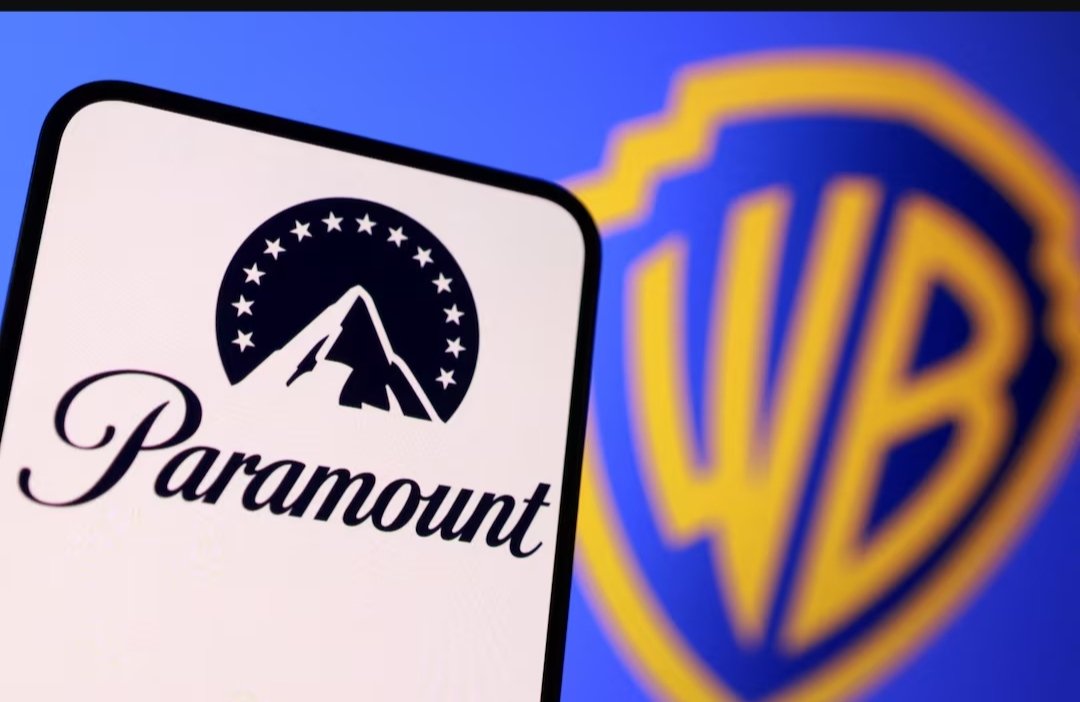
Paramount Skydance CEO David Ellison has revealed that the combined company created through the proposed merger with Warner Bros Discovery will be called Skydance once the deal closes. The decision is designed to preserve the identities of Paramount and Warner Bros as major studio brands while placing their broader film, television, news and streaming operations under a single corporate name.
The announcement comes as the entertainment industry watches one of Hollywood’s most significant proposed corporate combinations. The deal would bring together two extensive media portfolios, including major film studios, television networks and streaming platforms.
Paramount and Warner Bros to Operate Under Skydance
According to Reuters, Ellison said on October 2 that the combined entity would be named Skydance after the merger with Warner Bros Discovery is completed.
The naming decision is significant because both Paramount and Warner Bros have identities that are deeply established in global entertainment. Rather than creating a completely unfamiliar consumer-facing brand, the proposed structure would allow the two studios to retain their existing names while Skydance becomes the corporate identity of the combined business.
Ellison said the approach is intended to prevent a new corporate identity from overshadowing the Paramount and Warner Bros studios. For audiences, this could mean that the familiar studio names continue to appear prominently on movies and television productions even though ownership sits within a larger corporate organisation.
What the Paramount-Warner Bros Merger Would Bring Together
The proposed combination would create a broad entertainment company spanning movies, television, news and streaming.
Paramount brings major entertainment properties and businesses including CBS and Paramount+, while Warner Bros Discovery contributes assets such as Warner Bros, CNN and HBO Max. The combination would therefore extend across several parts of the modern media ecosystem.
The film businesses alone include some of Hollywood’s most recognisable franchises. Paramount is associated with the Mission: Impossible franchise, while Warner Bros has been closely linked with the Harry Potter film series.
Beyond individual franchises, both companies own extensive libraries of films and television programming. Those libraries can have long-term value through theatrical releases, television licensing, streaming and other forms of distribution.
Why the Skydance Name Matters
Corporate naming can appear cosmetic from the outside, but it can have strategic importance in a media merger. Paramount and Warner Bros are consumer-facing brands with decades of recognition.
Movie audiences may recognise a studio logo immediately without knowing the corporate structure behind it. Maintaining those identities can therefore allow the combined company to pursue corporate integration without necessarily disrupting the relationship between audiences and established studio brands.
Skydance, meanwhile, would become the name representing the larger corporate organisation. This creates a distinction between the parent company and the individual studios, allowing Paramount and Warner Bros to retain their own positioning within the broader business.
A Major Hollywood Entertainment Portfolio
The proposed Skydance structure would combine businesses that operate across almost every major segment of the entertainment industry.
Film studios would sit alongside broadcast television, cable and news networks and streaming services. This breadth could provide the combined company with multiple ways to distribute and monetise content.
A movie can generate theatrical revenue before potentially moving into home entertainment and streaming. Television programming can be distributed through broadcast or cable networks and later become part of a streaming catalogue. Established franchises can also be developed across multiple formats.
The larger portfolio could therefore give Skydance greater flexibility in how it uses intellectual property and distributes entertainment content.
Paramount+ and HBO Max in the Streaming Landscape
Streaming is likely to be one of the most closely watched areas following any completion of the merger.
Paramount+ and HBO Max represent two established streaming businesses with different content libraries and brand identities. Bringing their parent companies together could create opportunities to reassess how streaming assets are positioned, marketed and managed.
However, having more content does not automatically guarantee stronger streaming economics. Streaming companies face high production and technology costs, intense competition for subscribers and pressure to demonstrate sustainable returns from their direct-to-consumer businesses.
The proposed merger could give the combined company access to a larger content portfolio, but the long-term commercial outcome would depend on how effectively those assets are organised and monetised.
Company Targets $6 Billion in Cost Savings
Another major element of the proposed transaction is its cost-saving target. Reuters reported that the combined company is targeting approximately $6 billion in savings.
Large mergers often pursue savings by combining overlapping corporate functions and infrastructure. Areas such as administration, technology, marketing, distribution and other back-office operations can potentially be consolidated when two organisations become part of the same corporate structure.
For an entertainment company, however, cost reduction must be balanced against the need to continue investing in content. Movies, television shows, streaming programming and technology platforms require substantial ongoing expenditure.
That makes the execution of the cost-saving programme particularly important. The reported $6 billion figure is a target rather than a guarantee, and achieving it would require significant operational changes.
Roughly $80 Billion in Debt
The proposed combination also comes with a substantial financial obligation. Reuters reported that the combined company would carry roughly $80 billion in debt.
That debt burden places greater importance on the company’s ability to generate consistent cash flow and achieve the projected efficiencies.
The entertainment business can be unpredictable. A successful franchise film or hit television series can generate significant commercial value, while expensive productions that fail to connect with audiences can put pressure on financial performance.
At the same time, streaming requires continued investment in content and technology. Managing these competing financial demands would be an important challenge for the enlarged company.
Paramount and Warner Bros Brands Are Expected to Remain Important
Although the combined corporate entity would be called Skydance, that does not mean Paramount and Warner Bros would disappear as entertainment brands.
Both names carry significant historical value. Paramount has been a major Hollywood studio for generations, while Warner Bros has built one of the world’s best-known entertainment brands through films, television and franchises.
Preserving the two studio identities could allow the new corporate organisation to benefit from their existing recognition while developing Skydance as the name associated with the wider business.
This distinction between corporate identity and consumer-facing brands is particularly useful in entertainment, where audiences often interact with studios through individual movies and shows rather than through the parent company itself.
NYSE Move and the ‘SKYD’ Ticker
The corporate changes extend beyond the proposed merger. Reuters reported that Paramount Skydance’s Class B shares are scheduled to move from Nasdaq to the New York Stock Exchange on October 6 under the ticker symbol SKYD.
The listing change gives investors another visible marker of the company’s evolving corporate identity.
However, the stock exchange and ticker represent only a small part of the financial picture. Investors will also be watching the proposed merger’s closing process, debt management, cost savings, streaming performance and the financial performance of the combined entertainment businesses.
What the Merger Could Mean for Hollywood
The proposed Paramount-Warner Bros combination comes at a time when traditional media companies are adapting to major changes in how audiences consume entertainment.
Viewers now move between cinemas, broadcast television, cable channels, streaming services and digital platforms. As a result, large entertainment companies increasingly need to manage content across several distribution channels at the same time.
A combined Skydance organisation would have a particularly broad portfolio. It could potentially use film franchises, television programming, news content and streaming libraries across multiple platforms.
The scale of the company could also provide greater negotiating power and allow infrastructure and technology investments to be spread across a larger collection of businesses.
The Challenge of Combining Two Major Media Businesses
Scale alone does not determine whether a media merger succeeds. Combining large entertainment organisations can involve complex decisions about employees, production operations, technology, distribution, content strategy and corporate infrastructure.
There is also a creative dimension. Film and television studios depend heavily on relationships with actors, directors, writers, producers and other creative professionals. Maintaining those relationships while integrating businesses can be as important as achieving financial efficiencies.
The proposed Skydance structure therefore faces the challenge of combining operations without weakening the individual studio identities and creative capabilities that give Paramount and Warner Bros their value.
Mission: Impossible, Harry Potter and the Value of Franchises
The combination would bring together valuable intellectual property from both sides of the proposed transaction.
Paramount’s Mission: Impossible franchise and Warner Bros’ Harry Potter films illustrate the international reach of their respective entertainment libraries.
Franchises can generate value across multiple formats. Successful properties may support theatrical releases, television programming, streaming engagement, licensing and merchandise opportunities.
For a larger company, having a diverse collection of established properties can provide a broad foundation for future content strategies. At the same time, the performance of individual releases remains difficult to predict, meaning franchise ownership does not remove the risks associated with entertainment production.
What Happens Next?
The most important immediate milestone is the closing of the proposed merger. Until that happens, the final corporate structure and operational details remain subject to the transaction process.
If the merger closes, attention will likely shift toward how Skydance manages its newly combined portfolio and whether the company can deliver on its financial targets.
Key areas to watch include:
- Corporate integration: How Paramount and Warner Bros operations are brought together.
- Brand strategy: How the Paramount, Warner Bros and Skydance identities are positioned.
- Cost savings: Whether the company can achieve its reported $6 billion target.
- Debt management: How the combined company handles roughly $80 billion in debt.
- Streaming: How Paramount+ and HBO Max fit into the wider strategy.
- Content investment: Whether the company continues funding major films and television productions at scale.
Conclusion
David Ellison’s decision to name the proposed combined Paramount and Warner Bros Discovery company Skydance offers an early glimpse into the corporate strategy behind the merger. Rather than replacing two historic Hollywood studio names, the structure is intended to preserve Paramount and Warner Bros as distinct entertainment brands while creating Skydance as the identity of the larger organisation.
The proposed company would have an unusually broad entertainment portfolio, spanning major film franchises, television, news and streaming. At the same time, the reported $6 billion cost-saving target and roughly $80 billion debt highlight the financial challenges that will accompany its enormous scale.
For Hollywood, the proposed merger is about more than a new corporate name. It represents an attempt to combine major content libraries and distribution businesses at a time when traditional studios and television companies are being reshaped by streaming and changing audience habits.
If the transaction closes, the performance of the new Skydance organisation will ultimately depend on how effectively it balances financial discipline with investment in the films, shows, franchises and platforms that keep audiences engaged.
SEO Details
Primary Keyword: Paramount Warner Bros merger
Meta Title: Paramount Warner Bros Merger: Combined Company to Be Named Skydance
Meta Description: David Ellison says the combined Paramount and Warner Bros Discovery company will be named Skydance after the merger closes. Here’s what it means for Paramount, Warner Bros, streaming and Hollywood.
Related Keywords: David Ellison, Skydance merger, Paramount Skydance, Warner Bros Discovery merger, Paramount Warner Bros merger, Paramount and Warner Bros, Skydance company, Paramount+ HBO Max, Hollywood media merger
Disclaimer: The merger and related corporate changes described above are based on reported plans and statements. Proposed transactions and financial targets can change before completion, and projected cost savings should not be interpreted as guaranteed financial results.
For breaking news and live news updates, like us on Facebook or follow us on Twitter and Instagram. Read more on Latest Entertainment on thefoxdaily.com.




COMMENTS 0