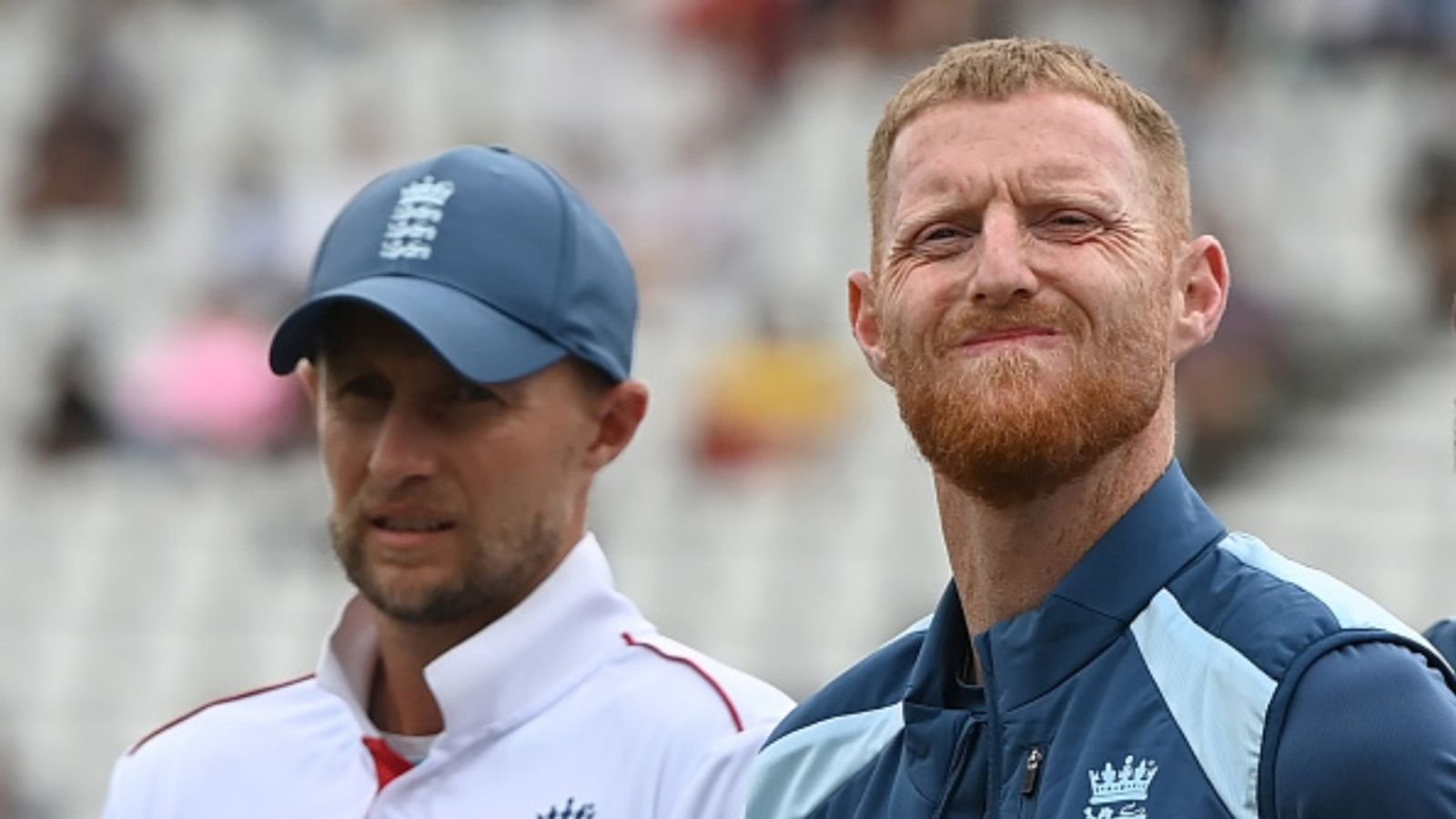
England cricket is entering a fresh chapter with Joe Root returning as Test captain, but one of his closest teammates, Ben Stokes, believes the role comes with challenges that extend far beyond tactics and team selection. While Stokes has publicly welcomed Root’s reappointment and expressed complete confidence in his leadership abilities, he has also shared a deeply personal concern—that Root’s habit of putting everyone else first could once again take a heavy emotional and mental toll.
The comments offer a rare insight into the pressures of modern cricket captaincy. Beyond leading on the field, today’s Test captains face relentless media attention, strategic planning, player management, and the expectations of millions of supporters. Stokes’ remarks suggest that the biggest challenge for Root may not be winning matches but maintaining the balance between leadership, personal performance, and life away from cricket.
Joe Root Returns to Lead England’s Test Team
Joe Root’s appointment marks the beginning of another significant phase for England’s red-ball setup. Having previously captained the side between 2017 and 2022, Root brings extensive leadership experience and a deep understanding of the demands associated with leading one of cricket’s most scrutinized teams.
Unlike a first-time captain learning on the job, Root returns with valuable lessons from his previous tenure. He understands the pressures of managing expectations, navigating difficult series, and balancing his own batting responsibilities with the broader needs of the team.
His second spell also begins under different circumstances, with experienced players around him and a new coaching structure expected to provide additional support.
Why Ben Stokes Supports Joe Root’s Appointment
Ben Stokes’ endorsement carries particular significance because of the close relationship the two players have developed over many years representing England.
Rather than focusing solely on Root’s tactical ability, Stokes highlighted the qualities that have made him one of England’s most respected leaders—selflessness, professionalism, and an unwavering commitment to the team.
According to Stokes, Root consistently places the interests of England ahead of his own. While that mindset inspires teammates, it can also become exhausting over a long period, especially when results do not go as planned.
That combination of admiration and concern explains why Stokes immediately reached out to Root following the appointment.
Stokes’ Biggest Concern: Root May Forget to Look After Himself
The central theme of Stokes’ comments is not cricketing ability but personal well-being.
He believes Root’s greatest strength—his willingness to sacrifice for the team—could also become his biggest challenge if he neglects his own physical and mental recovery.
Elite athletes often prioritize teammates before themselves, particularly when serving as captain. However, leadership responsibilities can gradually accumulate through travel, preparation, media commitments, tactical planning, and the emotional demands of international cricket.
Stokes hopes Root avoids repeating that pattern during his second spell in charge.
Looking Back at Root’s First Captaincy Stint
Joe Root’s first tenure as England’s Test captain was filled with memorable victories, difficult transitions, and periods of intense scrutiny.
While he remained one of the world’s finest batters, England experienced inconsistent results during several Test series. Like many captains before him, Root often carried the responsibility for both his own performances and the collective fortunes of the team.
Leadership in international cricket extends far beyond match days. Captains spend countless hours discussing tactics, analyzing opponents, managing player roles, and handling external expectations.
Those responsibilities inevitably increase both mental and emotional workloads.
How Captaincy Can Affect Batting Performance
One of the most fascinating aspects of cricket leadership is its impact on individual performance.
Batting requires complete concentration, patience, and clear decision-making. Captains, however, often arrive at the crease carrying additional mental responsibilities that ordinary players do not face.
Strategic decisions from earlier sessions, injury concerns, bowling changes, field placements, and team management issues can all occupy a captain’s mind before facing the first delivery.
For many elite batters, separating leadership responsibilities from batting preparation becomes one of the sport’s greatest psychological challenges.
| Captaincy Responsibility | Potential Impact on a Batter |
|---|---|
| Team Selection | Additional pre-match decision-making pressure. |
| Media Commitments | Reduced recovery and preparation time. |
| Match Strategy | Greater mental workload throughout a Test match. |
| Player Management | Constant communication beyond playing responsibilities. |
| Public Expectations | Higher scrutiny after both victories and defeats. |
Modern Cricket Leadership Is More Demanding Than Ever
The responsibilities of an international captain have expanded dramatically over the past decade.
Today’s leaders must work alongside analysts, sports psychologists, coaching staff, fitness specialists, and performance departments while also communicating with selectors and the media.
Every tactical decision is instantly analyzed by broadcasters, former players, supporters, and digital platforms, increasing the pressure surrounding every match.
This evolving environment explains why experienced teammates like Stokes are increasingly emphasizing player well-being alongside performance.
Stephen Fleming’s Arrival Could Ease the Pressure
One reason for optimism is England’s new coaching structure led by Stephen Fleming.
Widely respected for his calm leadership and tactical understanding, Fleming brings extensive experience as both an international captain and successful coach.
A collaborative relationship between Root and Fleming could distribute responsibilities more effectively than in previous eras, allowing the captain to focus more consistently on his own performances while maintaining strong leadership standards.
Effective partnerships between captain and head coach have become one of the defining characteristics of successful international teams.
The Importance of Leadership Support Systems
Elite teams increasingly recognize that captains cannot operate successfully without strong support networks.
Vice-captains, senior players, coaches, analysts, medical staff, and sports psychologists all contribute to reducing the burden carried by one individual.
If England’s leadership group functions collectively rather than relying solely on Root, it could help preserve both his batting form and long-term well-being.
Lessons From Cricket’s Greatest Captains
History has shown that successful captains rarely succeed alone.
- Strong coaching partnerships improve decision-making.
- Experienced senior players help share leadership responsibilities.
- Clear communication strengthens dressing-room culture.
- Mental recovery is as important as physical fitness.
- Personal performance often improves when leadership duties are balanced effectively.
Why Stokes’ Comments Matter
Stokes’ remarks stand out because they focus on friendship rather than cricket statistics.
Instead of discussing tactics or team combinations, he highlighted the human side of leadership—an area that is often overlooked despite its enormous influence on performance.
His comments also reflect a broader shift within professional sport, where mental health, workload management, and player welfare are increasingly viewed as essential components of sustained success.
What England Can Expect From Root’s Second Spell
Root’s experience should allow him to approach captaincy differently during his second tenure.
Having already navigated the pressures once before, he is likely to enter the role with greater perspective and a clearer understanding of where responsibilities can be shared.
If England successfully builds a collaborative leadership environment, Root may be able to enjoy both effective captaincy and the batting consistency that has established him among the world’s finest Test players.
The Bigger Picture for England Cricket
England’s decision to reappoint Joe Root reflects confidence in proven leadership rather than pursuing short-term experimentation.
Combined with an experienced coaching staff and a talented playing group, the move offers an opportunity to create greater stability as the team prepares for future Test challenges.
Success, however, will depend not only on tactical decisions but also on ensuring that leaders receive the support necessary to perform at their best over the long term.
Conclusion
Ben Stokes’ heartfelt support for Joe Root reveals far more than confidence in England’s new Test captain—it highlights the often-overlooked human cost of leadership at the highest level. While Stokes believes Root possesses every quality needed to guide England successfully, his greatest hope is that his close friend avoids repeating the personal sacrifices that accompanied his previous spell in charge.
With Stephen Fleming joining the coaching setup and a more experienced leadership environment around him, Root begins this new chapter with stronger support than before. If England can successfully balance leadership responsibilities while protecting their captain’s well-being, Root’s second tenure could become one of the defining success stories of modern Test Cricket.
For breaking news and live news updates, like us on Facebook or follow us on Twitter and Instagram. Read more on Latest Cricket on thefoxdaily.com.






COMMENTS 0