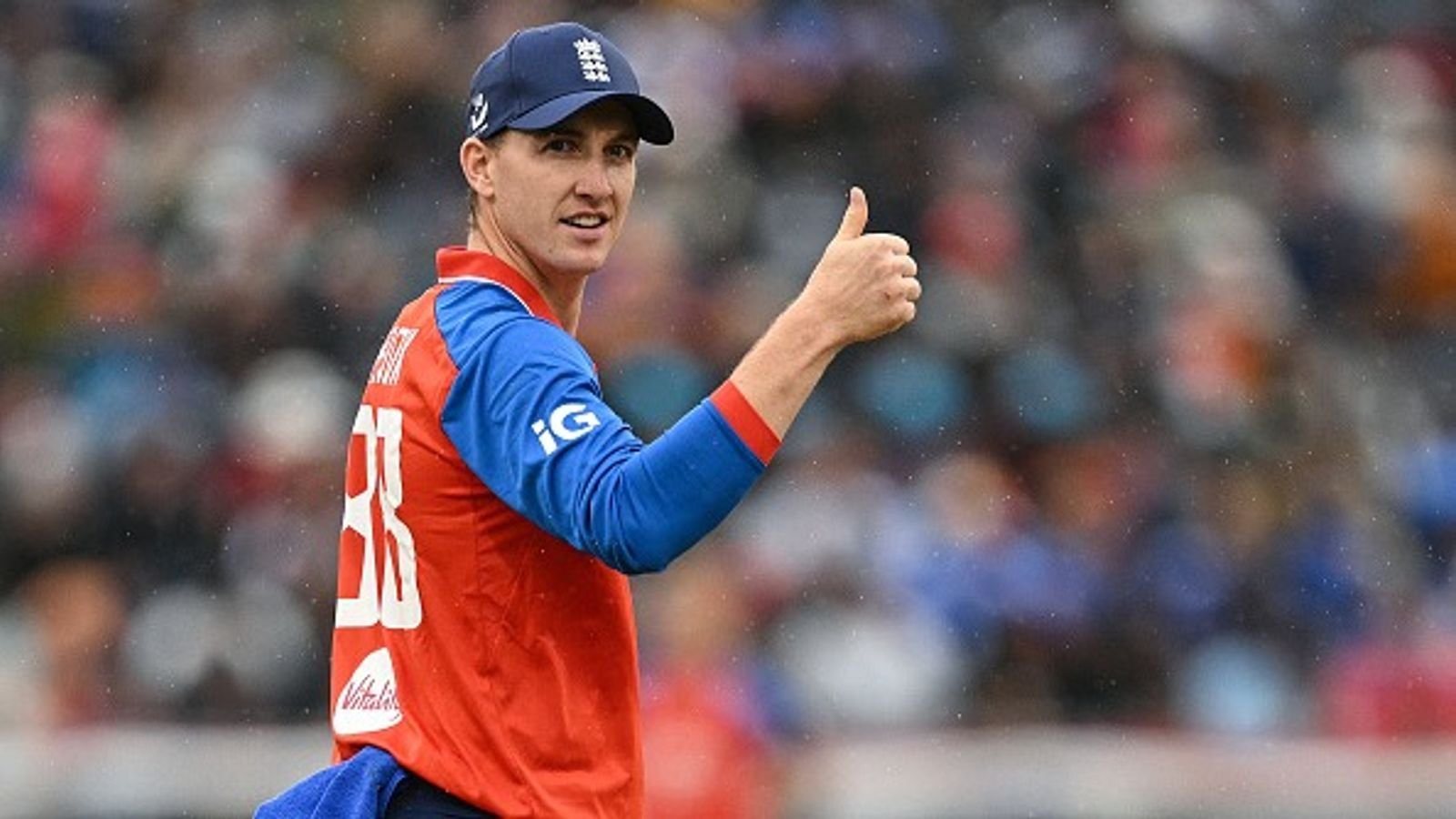
The England ODI squad vs India 2026 has been officially announced, and it offers a fascinating glimpse into England’s long-term plans. While the return of established stars such as Jofra Archer, Gus Atkinson, and Saqib Mahmood has grabbed headlines, the biggest talking point is the inclusion of Sussex all-rounder James Coles, who has received his maiden ODI call-up.
With the three-match series beginning on July 14, England are not simply preparing for a bilateral contest. They are building toward the 2027 ODI World Cup and evaluating the next generation of players capable of carrying the team into a new era.
Facing an Indian side strengthened by the presence of Rohit Sharma, Virat Kohli, and Jasprit Bumrah, England will receive an immediate test of their squad depth, tactical flexibility, and future planning.
England’s Squad Announcement Signals a New Phase
Over the past two years, England have gradually transitioned from the group that dominated white-ball cricket in the late 2010s toward a younger and more dynamic squad.
While experienced players such as Joe Root, Jos Buttler, and Adil Rashid remain integral to the setup, selectors have increasingly focused on identifying emerging talent capable of succeeding on the international stage.
The inclusion of James Coles reflects this strategy perfectly.
Rather than relying exclusively on established names, England are investing in players who could become key contributors over the next World Cup cycle.
Who Is James Coles?
James Coles enters the squad as one of England’s most promising young all-rounders.
His performances in domestic cricket have steadily elevated his reputation, earning praise for both his batting and bowling contributions.
Modern white-ball cricket increasingly values players who can influence multiple phases of a match, and Coles fits that profile.
His selection suggests that England’s management sees him as more than a squad player. Instead, he appears to be viewed as a potential long-term asset capable of providing balance to the team.
The upcoming series could therefore mark the beginning of a significant international career.
Why Jofra Archer’s Return Is So Important
While Coles represents the future, Jofra Archer remains one of England’s most important players in the present.
His return to ODI cricket strengthens England’s pace attack considerably.
When fully fit, Archer offers qualities few bowlers in world cricket can match:
- Express pace
- New-ball wicket-taking ability
- Death-over expertise
- Big-match temperament
- Versatility across formats
England’s white-ball success has often been built around aggressive batting supported by wicket-taking fast bowlers. Archer’s comeback restores an element of unpredictability and firepower that can trouble even the strongest batting lineups.
Harry Brook Continues as White-Ball Captain
The series also reinforces England’s faith in Harry Brook as their white-ball leader.
Brook has emerged as one of the most influential young cricketers in world cricket, combining attacking batting with a calm leadership style.
Many observers believe he could eventually become one of the defining captains of English cricket.
Leading against India provides another valuable opportunity to strengthen his credentials.
The challenge is significant because India remains one of the most tactically sophisticated teams in international cricket.
How England’s ODI Squad Balances Youth and Experience
One of the most impressive aspects of the squad is its balance.
England have successfully combined proven performers with emerging talent.
| Experienced Core | Emerging Talent |
|---|---|
| Joe Root | James Coles |
| Jos Buttler | Jacob Bethell |
| Jofra Archer | Josh Tongue |
| Adil Rashid | Rehan Ahmed |
| Sam Curran | Will Jacks |
This mixture allows England to remain competitive while simultaneously preparing for future tournaments.
The Fast Bowling Unit Looks Stronger Than Ever
Perhaps the biggest positive from England’s perspective is the depth of their pace attack.
Archer’s return is complemented by the recalls of Gus Atkinson and Saqib Mahmood, creating a group capable of challenging any batting lineup.
The pace unit offers variety:
- Raw speed from Archer
- Bounce and aggression from Atkinson
- Control and movement from Mahmood
- Additional support from Sam Curran
- Potential debut impact from Josh Tongue
Against a batting order featuring Rohit Sharma, Virat Kohli, and other world-class performers, England will require every available resource.
India Presents the Perfect Benchmark
There are few tougher examinations in modern ODI cricket than facing India.
India’s squad combines elite batting talent with one of the strongest bowling attacks in the game.
For England’s younger players, this creates an invaluable learning opportunity.
Performing well against India can accelerate development and provide confidence that translates into future international success.
Selectors will likely place significant emphasis on how newcomers handle pressure situations against high-quality opposition.
Why This Series Matters Beyond Bilateral Cricket
Although the series consists of only three matches, its significance extends far beyond immediate results.
Both teams are already planning for major ICC tournaments.
Every ODI now serves as an opportunity to refine combinations, identify weaknesses, and establish squad roles.
Key questions England will seek to answer include:
- Can James Coles succeed at international level?
- Is Jofra Archer fully ready for a major ODI workload?
- Which batting combinations provide maximum flexibility?
- How effective is the pace attack against elite opposition?
- Which players can become long-term World Cup contributors?
England’s World Cup Strategy Is Becoming Clear
One noticeable aspect of recent squad selections is England’s focus on building toward the 2027 Cricket World Cup.
Rather than making short-term decisions, selectors appear committed to establishing a stable core group.
The limited changes from previous squads support this approach.
Continuity often plays a major role in tournament success because players become familiar with defined responsibilities and tactical systems.
England seem determined to avoid constant experimentation and instead gradually strengthen an identifiable squad structure.
Players to Watch During the Series
Several cricketers could have a major impact on the outcome of the series.
James Coles
The newcomer will attract significant attention. Strong performances could immediately elevate his standing within England’s plans.
Jofra Archer
His return represents one of the biggest storylines of the series. If fully fit, he remains one of cricket’s most dangerous bowlers.
Harry Brook
As captain and one of England’s premier batters, Brook will be central to the team’s success.
Jacob Bethell
Another rising star who could strengthen his claim as a long-term fixture in England’s batting lineup.
Joe Root
His experience and consistency remain invaluable, particularly against high-quality opposition.
The Tactical Battle Against India
England’s success may ultimately depend on how effectively they manage India’s strengths.
Containing India’s top order will be essential, while England’s own batting unit must find ways to handle elite pace and spin bowling.
The series could be decided by several tactical areas:
- Powerplay performance
- Middle-over scoring rates
- Bowling execution at the death
- Spin versus pace matchups
- Fielding standards
With both teams possessing considerable firepower, small margins could prove decisive.
A Unique Insight: England Are Building a More Flexible Team
Perhaps the most overlooked aspect of the squad is its versatility.
Modern ODI cricket increasingly rewards teams capable of adapting quickly to changing match situations.
England’s selection reflects this reality.
Several players can perform multiple roles, allowing captains greater tactical freedom.
Whether through all-rounders, flexible batting positions, or varied bowling options, England appear focused on creating a squad that can adjust rather than relying on rigid structures.
That adaptability may become one of their greatest strengths over the next World Cup cycle.
Series Schedule
| Match | Date | Venue |
|---|---|---|
| 1st ODI | July 14, 2026 | Edgbaston, Birmingham |
| 2nd ODI | July 16, 2026 | Sophia Gardens, Cardiff |
| 3rd ODI | July 19, 2026 | Lord’s, London |
Conclusion
The England ODI squad vs India 2026 reflects a team balancing ambition, stability, and long-term planning. The inclusion of James Coles provides fresh excitement, while the return of Jofra Archer significantly strengthens England’s bowling attack.
With Harry Brook leading a talented group against one of the world’s strongest cricket teams, the series promises to deliver valuable insights into England’s future direction. More importantly, it could help define several key positions ahead of the road to the 2027 Cricket World Cup.
For England, this is not simply another ODI series—it is an opportunity to shape the next chapter of their white-ball cricket journey.
For breaking news and live news updates, like us on Facebook or follow us on Twitter and Instagram. Read more on Latest Sports on thefoxdaily.com.






COMMENTS 0