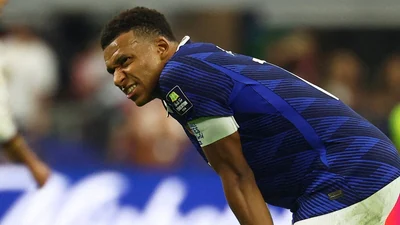
The France vs Spain FIFA World Cup 2026 semifinal was expected to be a clash of giants, featuring some of football’s most gifted players and two nations with genuine ambitions of lifting the trophy. Instead, it became a lesson in composure, tactical discipline, and seizing critical moments.
Spain’s 2-0 victory over France was not simply the result of superior finishing. It was the consequence of a team executing its game plan perfectly against an opponent that gradually lost confidence as the match progressed. While much of the pre-match attention focused on Kylian Mbappe‘s pursuit of World Cup glory and the possibility of another iconic performance, the night ultimately belonged to Spain’s collective brilliance and the growing influence of teenage sensation Lamine Yamal.
For France, the defeat marked the end of an era. For Spain, it confirmed their status as perhaps the most balanced side in the tournament. And for world football, it offered a glimpse into what the next decade may look like.
France vs Spain 2026 World Cup Semifinal: The Key Facts
| Category | France | Spain |
|---|---|---|
| Result | 0 | 2 |
| Tournament Stage | Semifinal | Semifinal |
| Star Player | Kylian Mbappe | Lamine Yamal |
| Key Turning Point | Penalty Conceded | Penalty Won |
| Outcome | Eliminated | Advanced to Final |
Why This Match Carried So Much Importance
Few World Cup semifinal matchups in recent memory carried as much intrigue. France entered the contest with arguably the tournament’s most feared attacking player in Kylian Mbappe, while Spain arrived with a squad many analysts considered the most tactically complete team remaining.
The narrative seemed straightforward. France possessed game-changing individual talent capable of deciding any match. Spain relied on collective organization, technical excellence, and relentless pressing.
What unfolded was a demonstration of why modern football increasingly rewards structure over star power.
While France possessed moments of quality, Spain controlled the rhythm, tempo, and emotional flow of the contest once they gained the advantage.
How France Started Strong Before Everything Changed
One of the biggest misconceptions likely to emerge from the final scoreline is that France were outplayed from the opening whistle. In reality, the match began with Les Bleus showing aggression, energy, and confidence.
France pressed aggressively, challenged every loose ball, and attempted to establish dominance early. The opening phase suggested a tightly contested semifinal between two evenly matched teams.
However, elite football often hinges on small moments rather than sustained superiority.
As Spain settled into the game, France began committing errors rarely associated with a side of their quality. Passes became rushed. First touches became uncertain. Decision-making deteriorated under pressure.
These mistakes were not isolated incidents. They signaled a growing inability to cope with Spain’s intensity.
The Turning Point: Lamine Yamal’s Intelligence Over Raw Skill
The moment that changed the semifinal did not involve a spectacular dribble or a stunning long-range strike. Instead, it showcased football intelligence at the highest level.
Lamine Yamal’s contribution highlighted why elite players often separate themselves through anticipation and awareness rather than athleticism alone.
By positioning himself cleverly inside the penalty area, Yamal forced a defensive error that resulted in a penalty and gave Spain the breakthrough they desperately wanted.
Many young players attempt to beat defenders through speed or flashy skills. Yamal demonstrated a more mature understanding of the game. He recognized vulnerability, anticipated the defender’s reaction, and created a situation that favored Spain.
That sequence ultimately transformed the entire match.
Once Spain moved ahead, France’s confidence visibly declined while Spain’s belief surged.
Lamine Yamal vs Kylian Mbappe: The Story Behind the Headlines
The semifinal was marketed as a showcase for some of football’s brightest stars, but it evolved into a symbolic contrast between the present and the future.
Mbappe entered the match as one of the world’s most established superstars and one of the leading scorers at the tournament. Yamal arrived carrying immense expectations but without the same level of global experience.
Yet football is rarely decided by reputation.
| Factor | Kylian Mbappe | Lamine Yamal |
|---|---|---|
| Role | France Leader | Spain Creator |
| Pre-Match Expectations | Very High | Rising Star |
| Match Influence | Limited | Decisive |
| Key Contribution | Few Clear Chances | Created Turning Point |
While Mbappe struggled to impose himself consistently, Yamal influenced the game’s most important moment.
This does not diminish Mbappe’s status as one of football’s elite talents. Rather, it highlights how quickly the sport evolves and how emerging stars continue to challenge established hierarchies.
Why Spain Have Been the Most Complete Team at the 2026 FIFA World Cup
Spain’s victory was not an isolated performance. It was the latest example of trends that have defined their entire tournament.
Unlike teams heavily dependent on individual brilliance, Spain have built success through tactical cohesion.
- Excellent pressing structure.
- High technical quality across the squad.
- Strong defensive organization.
- Efficient ball circulation.
- Ability to control momentum.
- Adaptability against different opponents.
These characteristics explain why Spain have consistently looked comfortable even against elite opposition.
When they gained the lead against France, they immediately shifted into a disciplined defensive shape that limited opportunities and frustrated their opponents.
Championship-winning teams often possess this ability to manage games rather than simply play them.
The Injury Factor and Mbappe’s Difficult Night
Elite athletes rarely make excuses, but physical condition can influence performance at the highest level.
Mbappe entered the semifinal carrying concerns after an ankle issue suffered during the quarterfinal stage. Although fit enough to start, he appeared less explosive than fans had become accustomed to seeing throughout the tournament.
Against a highly organized Spanish defense, even a slight reduction in pace or sharpness can make a significant difference.
Several opportunities that might normally favor Mbappe became difficult situations because Spain successfully reduced the spaces available to him.
Credit must also be given to Spain’s defensive planning. They understood that preventing Mbappe from running into open space was essential to their chances of reaching the final.
France’s Midfield Problems Changed the Entire Contest
While attention naturally focuses on attackers, semifinal matches are often decided in midfield.
France struggled to establish control in the center of the pitch, allowing Spain to dictate the game’s rhythm.
Once Spanish midfielders began winning second balls and forcing turnovers, France found themselves constantly reacting rather than initiating attacks.
This imbalance produced a chain reaction.
- Defenders faced more pressure.
- Attackers received less service.
- Possession became harder to maintain.
- Confidence gradually disappeared.
Football’s most successful teams typically dominate transitions between defense and attack. Spain excelled in those moments, while France struggled.
The Historical Comparison: Echoes of Past World Cup Shockers
Many observers compared France’s unexpected collapse to previous World Cup surprises where heavily favored teams failed to perform on the biggest stage.
History shows that World Cup semifinals and finals often produce outcomes that defy expectations.
The reason is simple: pressure magnifies weaknesses.
Technical mistakes that might go unnoticed during earlier tournament rounds become decisive when facing elite opposition.
France’s performance serves as another reminder that talent alone does not guarantee success at the World Cup.
The End of the Didier Deschamps Era?
Beyond the result itself, the defeat carries broader significance for French football.
Didier Deschamps helped build one of the most successful international teams of the modern era. Under his leadership, France consistently challenged for major trophies and remained among the world’s elite nations.
However, every successful cycle eventually reaches a transition point.
The semifinal defeat raises questions about the future direction of the national team, squad evolution, and leadership changes ahead of upcoming international tournaments.
Regardless of what happens next, Deschamps’ legacy remains secure as one of the most influential figures in French football history.
The Bigger Story Competitors Are Missing
Most coverage of the match has focused on Mbappe’s disappointment or Spain’s qualification for the final.
However, the deeper story is that international football appears to be entering a new strategic era.
For years, teams built around superstar forwards often dominated headlines. The 2026 World Cup has increasingly rewarded collective organization, tactical flexibility, and intelligent decision-making.
Spain embody these qualities better than any team remaining in the tournament.
Their semifinal victory suggests that future champions may be defined less by individual stardom and more by complete team structures.
That trend could shape international football for years to come.
What This Means for Spain’s World Cup Final Chances
Spain now enter the final with enormous momentum and growing belief.
Their ability to neutralize France’s attack while creating opportunities of their own demonstrates a level of balance rarely seen in major tournaments.
Championship teams typically possess three essential qualities:
- Defensive reliability.
- Midfield control.
- Match-winning creativity.
Spain have consistently displayed all three.
Whether facing Argentina or England, they will enter the final convinced they can defeat anyone.
Conclusion
The France vs Spain FIFA World Cup 2026 semifinal will be remembered as the match that showcased football’s changing landscape. Spain’s 2-0 victory was not simply a triumph of one team over another; it was a demonstration of how tactical discipline, intelligence, and collective execution can overcome even the most talented opponents.
For France, the defeat represents a painful missed opportunity and raises fresh questions about leadership, consistency, and the future direction of the national team. For Kylian Mbappe, it delays the dream of adding another World Cup title despite another remarkable individual tournament.
For Spain, however, the night belonged to a team that looked every bit like champions. Led by emerging stars such as Lamine Yamal and supported by a system that maximizes every player’s strengths, Spain have positioned themselves one victory away from football immortality.
If this semifinal taught the football world anything, it is that the future has already arrived—and Spain may be leading it.
For breaking news and live news updates, like us on Facebook or follow us on Twitter and Instagram. Read more on Latest Sports on thefoxdaily.com.






COMMENTS 0