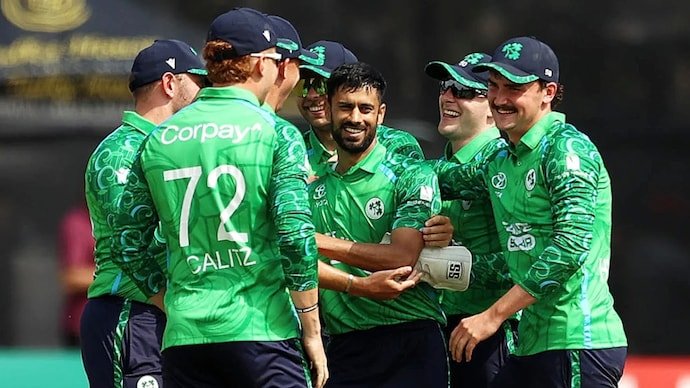
The Ireland T20 series win over India may go down as one of the most significant moments in Irish cricket history. By defeating the reigning T20 world champions 2-0 in Belfast, Ireland achieved far more than a memorable bilateral series victory. The result sent a powerful message to the cricketing world that Ireland is no longer merely an emerging nation hoping to compete with the sport’s elite—it is a team capable of defeating them.
The series triumph has sparked conversations across international cricket about Ireland’s future, its growing talent pool, and the opportunities that could arise from such a landmark achievement. Cricket Ireland officials believe the impact will extend well beyond the scoreboard, influencing player development, international scheduling, commercial opportunities, and the country’s long-term standing within the global game.
At a time when cricket is expanding beyond its traditional power centers, Ireland’s breakthrough could represent a turning point not only for the team itself but also for the broader evolution of the sport.
Why Ireland’s Series Victory Over India Matters So Much
Upsets happen in sports. However, winning an entire series against one of the world’s strongest cricket nations is an entirely different achievement.
India entered the contest as the reigning T20 world champions and one of the most dominant forces in international cricket. Their depth of talent, financial strength, and competitive experience place them among the most formidable opponents in the game.
For Ireland to secure a 2-0 series victory demonstrated consistency, composure, and the ability to perform under pressure across multiple matches.
More importantly, it challenged long-held perceptions about the gap between established cricket powers and emerging Full Member nations.
For years, Ireland has been regarded as a dangerous underdog capable of producing occasional surprises. This series victory suggests the team may be entering a new phase where success against elite opposition becomes increasingly achievable rather than exceptional.
The Evolution of Irish Cricket: From Giant Killers to Genuine Contenders
Ireland’s rise in international cricket has been gradual but remarkable.
Over the past two decades, the nation has produced several memorable moments on the world stage, including victories against major cricketing nations during global tournaments.
Those performances earned Ireland a reputation as one of cricket’s most competitive associate teams.
However, obtaining ICC Full Member status represented a far greater challenge. Competing consistently against top-tier nations requires stronger infrastructure, larger player pools, improved coaching systems, and sustainable financial investment.
The victory against India suggests that years of development work may finally be producing tangible results.
Key Factors Behind Ireland’s Recent Improvement
Ireland’s progress has not occurred by accident. Several important factors have contributed to the team’s development.
- Investment in cricket infrastructure
- Enhanced coaching pathways
- Improved talent identification programs
- Growing participation rates
- Greater exposure to international competition
- Development of professional playing opportunities
These improvements have helped create an environment where Irish cricketers can compete more effectively against higher-ranked opponents.
The India series victory serves as evidence that these investments are beginning to generate meaningful returns.
How Defeating India Could Change Ireland’s International Reputation
One of the most important consequences of the series win may be a shift in how other cricketing nations view Ireland.
International scheduling has long been a challenge for emerging Full Member nations. Elite teams often prioritize series against traditional rivals because of commercial considerations, broadcasting revenue, and fan interest.
By defeating a global powerhouse, Ireland has significantly strengthened its case for securing more fixtures against leading teams.
Strong opposition is essential for continued development. More matches against top-ranked nations provide valuable experience, expose players to higher standards, and help accelerate competitive growth.
The victory could therefore create opportunities that extend far beyond a single bilateral series.
The Financial Impact of a Landmark Cricket Achievement
Success on the field often generates benefits off the field.
For cricket boards operating outside the sport’s traditional financial giants, major victories can attract sponsors, increase fan engagement, and strengthen commercial partnerships.
A higher international profile can lead to:
- Increased sponsorship interest
- Greater media coverage
- Enhanced broadcasting opportunities
- Higher attendance figures
- Expanded grassroots participation
- Improved investment in facilities
These factors contribute to a positive cycle in which sporting success supports financial growth, which in turn enables further investment in player development.
The Importance of the European T20 Premier League
One of the most intriguing developments for Irish cricket is the emergence of the European T20 Premier League.
Franchise competitions have transformed cricket worldwide by providing players with opportunities to compete alongside international stars while earning significant income.
For Irish cricketers, participation in a high-quality regional league could provide several advantages:
- Exposure to world-class coaching
- Experience under high-pressure conditions
- Opportunities to learn from cricket legends
- Improved tactical understanding
- Additional financial security
The presence of respected figures from the cricket world could further accelerate player development and strengthen Ireland’s cricket ecosystem.
Jai Moondra and the Growing Diversity of Irish Cricket
The emergence of Indian-born fast bowler Jai Moondra highlights another important aspect of modern cricket: globalization.
Many successful international teams increasingly benefit from multicultural player pathways and diverse talent pools.
Ireland’s willingness to embrace players who qualify through residency or ancestry reflects a modern approach that prioritizes merit, development, and opportunity.
This strategy allows cricket boards to strengthen their squads while creating pathways for talented players who may not have opportunities elsewhere.
As cricket continues to expand globally, flexible talent identification systems could become increasingly important for emerging nations seeking to remain competitive.
The Coaching Transition: Why Leadership Matters
Successful cricket programs require more than talented players.
Strong leadership and coaching structures play a crucial role in long-term development.
The appointment of a new head coach following the India series represents an important moment for Ireland as it seeks to build upon recent success.
Continuity, cultural understanding, and experience within the national setup can provide stability during periods of transition.
Developing local coaching expertise may prove particularly valuable as Ireland aims to establish sustainable success rather than relying on short-term improvements.
The Persistent Challenge of Test Cricket
While Ireland’s white-ball progress is encouraging, the country’s struggles in Test cricket reveal the complexity of becoming a complete cricketing nation.
Test cricket remains the sport’s most demanding format, requiring technical excellence, tactical sophistication, physical endurance, and extensive competitive experience.
Ireland’s limited number of Test matches since gaining Full Member status has made progress difficult.
Without regular exposure to five-day cricket, players have fewer opportunities to develop the skills required at the highest level.
Why More Test Matches Are Essential
Experience remains one of the most important ingredients in Test cricket development.
Regular matches help players learn how to:
- Build long innings
- Manage workloads over multiple days
- Adapt to changing pitch conditions
- Execute long-term tactical plans
- Handle pressure over extended periods
Countries such as India, England, Australia, and New Zealand benefit from extensive domestic structures and consistent Test schedules.
Emerging nations often struggle because they lack comparable opportunities.
Until Ireland secures more frequent red-ball fixtures, closing the gap with established Test powers will remain challenging.
The Domestic Cricket Question
One of the most significant issues facing Irish cricket is the absence of a fully operational domestic first-class competition.
Domestic cricket serves as the foundation for international success. It provides players with opportunities to refine techniques, gain experience, and prepare for higher levels of competition.
| Development Area | Current Situation | Potential Benefit |
|---|---|---|
| International T20 Cricket | Strong Progress | Greater Global Recognition |
| Test Cricket | Limited Opportunities | Long-Term Competitiveness |
| Domestic First-Class Structure | Under Evaluation | Improved Player Development |
| Infrastructure Investment | Expanding | Sustainable Growth |
| Franchise Exposure | Increasing | Enhanced Player Experience |
The challenge for Cricket Ireland is balancing limited resources while ensuring both short-term competitiveness and long-term sustainability.
A Comparison With Other Emerging Cricket Nations
Ireland’s journey mirrors challenges faced by several newer Full Member nations.
Countries outside cricket’s traditional power structure often face similar obstacles:
- Limited funding
- Fewer international fixtures
- Smaller player pools
- Restricted domestic opportunities
- Competition for sporting attention
What makes Ireland’s recent success particularly notable is that it has been achieved despite many of these structural challenges.
The series victory against India demonstrates that strategic investment and patient development can produce meaningful results even without the resources available to cricket’s wealthiest boards.
The Bigger Picture: What This Means for Global Cricket
The growth of teams like Ireland is essential for the long-term health of international cricket.
A more competitive global landscape creates stronger tournaments, more compelling rivalries, and increased interest among fans worldwide.
If emerging nations continue to challenge established powers, cricket could become more balanced and unpredictable, enhancing its appeal across different markets.
The sport’s future depends not only on the success of traditional giants but also on the continued development of ambitious nations seeking to join the elite.
Future Outlook: Can Ireland Build on This Historic Breakthrough?
The Ireland T20 series win over India represents a milestone, but sustaining progress will require continued investment, strategic planning, and patience.
The next phase of development will likely focus on securing stronger opposition, expanding player pathways, strengthening domestic structures, and improving performance across all formats.
If these objectives are achieved, Ireland could emerge as one of the most competitive mid-tier cricket nations over the next decade.
The challenge now is turning a historic achievement into a foundation for lasting success.
Conclusion
The Ireland T20 series win over India is far more than a headline-grabbing upset. It is a statement about how far Irish cricket has progressed and how much potential still remains untapped.
By defeating the reigning world champions, Ireland has strengthened its international reputation, created new opportunities for players, and demonstrated that sustained investment can deliver meaningful results.
While challenges remain—particularly in Test cricket and domestic development—the momentum generated by this landmark victory could shape the future of Irish cricket for years to come. In a sport increasingly seeking broader global competitiveness, Ireland’s breakthrough may prove to be one of the most important stories of the modern cricket era.
For breaking news and live news updates, like us on Facebook or follow us on Twitter and Instagram. Read more on Latest Sports on thefoxdaily.com.






COMMENTS 0