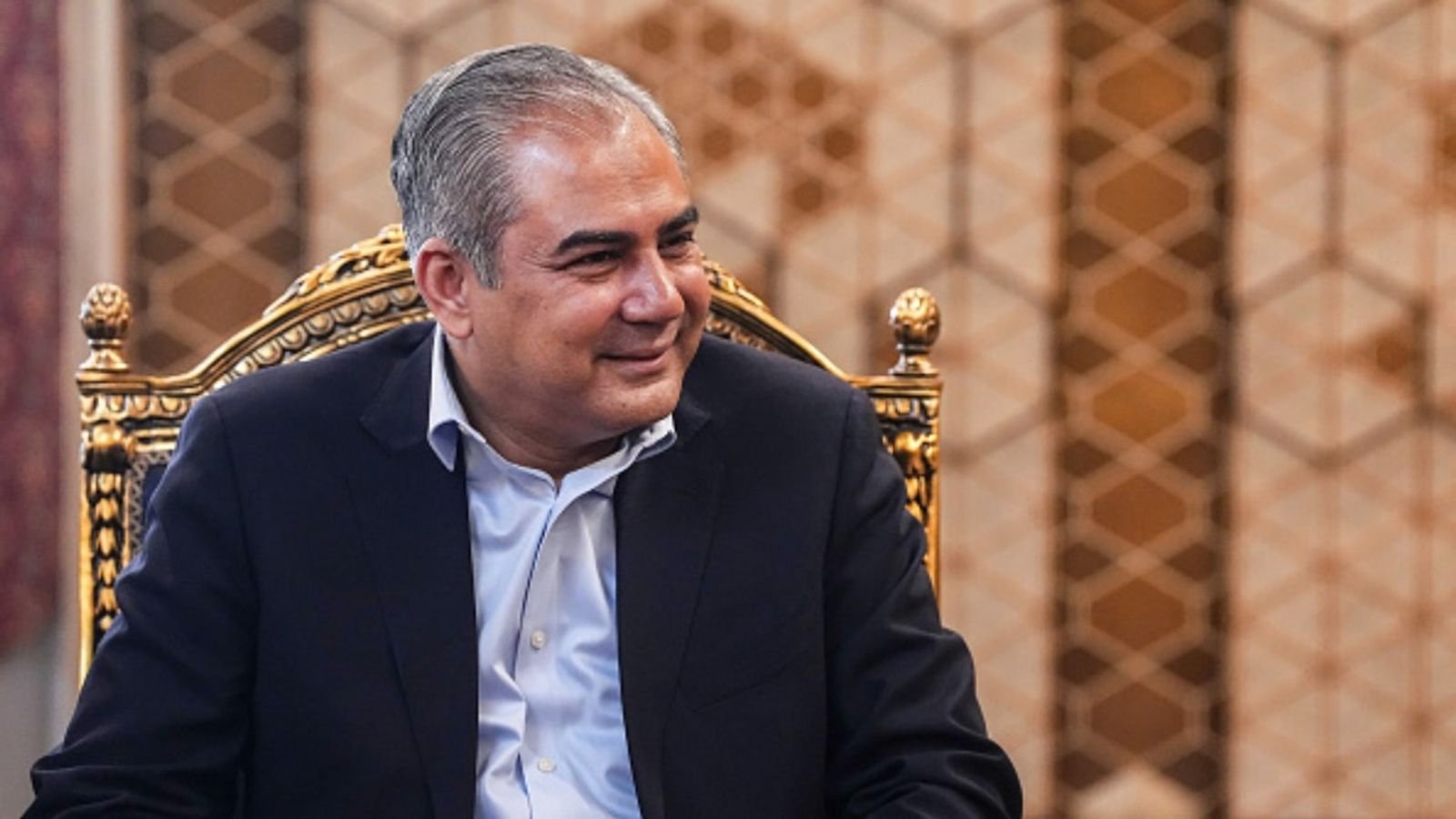
Major League Cricket (MLC) has quickly emerged as one of the most ambitious franchise tournaments in the world, attracting international stars and significant investment as cricket expands across the United States. However, a fresh controversy involving the Pakistan Cricket Board (PCB) and its chairman Mohsin Naqvi has threatened to create a major rift between MLC franchises and Pakistani cricketers.
Reports suggest that several MLC franchise owners are increasingly frustrated with the PCB’s alleged demand for substantial payments before issuing No-Objection Certificates (NOCs) to Pakistani players. While the dispute revolves around administrative procedures, its consequences could extend far beyond paperwork, potentially affecting player opportunities, franchise recruitment strategies, and even the relationship between emerging franchise leagues and national cricket boards.
If the disagreement escalates, Pakistani players could become the biggest losers despite having little direct involvement in the dispute itself.
What Is the MLC-Pakistan Cricket Board Controversy?
The central issue revolves around No-Objection Certificates, commonly known as NOCs. These documents are required when players participate in overseas franchise leagues outside their national commitments.
According to reports, MLC franchises were allegedly informed that they would need to pay approximately $25,000 per Pakistani player before the PCB would issue the necessary NOC.
The controversy is not necessarily about whether boards should receive compensation. Many cricket boards have mechanisms that regulate player participation in foreign leagues. Instead, franchise owners are reportedly concerned about transparency and timing.
The complaint centers on claims that teams discover these costs only after recruiting players, making it difficult to alter squad plans without significant disruption.
For franchise owners operating under budgets and roster restrictions, unexpected costs can create logistical and financial challenges.
Understanding the Importance of NOCs in Modern Cricket
To understand why this dispute matters, it is important to understand the role NOCs play in global cricket.
Unlike football, where players are generally contracted to clubs, elite cricketers often balance commitments between national teams and multiple franchise competitions.
National boards use NOCs to:
- Manage player workload.
- Protect international schedules.
- Prevent conflicts between domestic and franchise commitments.
- Ensure player participation aligns with board policies.
- Maintain oversight of contracted players.
In theory, NOCs help maintain order in an increasingly crowded cricket calendar. However, disputes arise when boards and leagues disagree on compensation structures, timing, or player availability.
The MLC-PCB situation appears to be one of the most significant examples of that tension.
Why MLC Is Becoming Increasingly Important in World Cricket
The significance of this dispute is amplified by the rapid growth of Major League Cricket.
Although still a relatively young tournament, MLC has attracted investors, international broadcasters, and some of the biggest names in cricket.
The league represents a strategic effort to establish cricket in the world’s largest sports market: the United States.
Unlike traditional cricket nations where the sport already dominates headlines, the American market offers enormous commercial potential.
Success in the United States could generate:
- New sponsorship opportunities.
- Massive broadcasting revenues.
- Expanded fan bases.
- Greater global visibility for players.
- Long-term financial growth for the sport.
As a result, participation in MLC is increasingly viewed as valuable for international players seeking both exposure and earnings.
Why Pakistani Players Could Be Most Affected
One of the most concerning aspects of the controversy is that Pakistani cricketers themselves may bear the consequences.
If franchises decide that signing Pakistani players involves too much uncertainty or additional cost, they may simply target players from other countries.
This would not necessarily be an official ban.
Instead, it would function as a market-driven decision where franchises avoid potential complications during squad building.
Such an outcome could reduce opportunities for Pakistani stars in one of cricket’s emerging global leagues.
Players who have spent years building reputations through international performances could find themselves excluded from opportunities because of administrative disputes beyond their control.
The Bigger Issue: Cricket’s Fragmented Global Ecosystem
The controversy also highlights a broader challenge facing modern cricket.
Unlike many global sports, cricket lacks a fully unified framework governing franchise participation across countries.
Each national board maintains its own rules regarding:
- NOC approvals.
- Player availability.
- Compensation structures.
- Workload management.
- Contractual obligations.
This creates an environment where leagues and boards often negotiate on a case-by-case basis.
As franchise cricket continues expanding into new markets, including the United States, Saudi Arabia, and other emerging regions, these conflicts may become increasingly common.
Why Franchise Owners Are Concerned
For franchise owners, squad planning is a complex process that begins months before tournaments start.
Recruitment decisions involve:
- Player availability.
- Salary budgets.
- Team balance.
- Marketing value.
- International schedules.
Unexpected administrative costs can disrupt these plans.
Even if teams are willing to pay additional fees, uncertainty creates risk.
Franchises generally prefer predictable systems where regulations, costs, and requirements are clearly defined before player contracts are finalized.
The reported frustration among MLC owners appears to stem from the perception that these conditions were not sufficiently transparent during recruitment discussions.
Could This Impact Pakistan Cricket’s Global Reputation?
While the PCB’s primary responsibility is protecting Pakistan cricket’s interests, prolonged disputes with international leagues can create reputational challenges.
Modern cricket increasingly operates within a global marketplace where boards, leagues, sponsors, and broadcasters must cooperate.
If franchises begin avoiding Pakistani players due to administrative concerns, it could indirectly affect:
- Player market value.
- International visibility.
- Commercial partnerships.
- Future league negotiations.
- Pakistan cricket’s influence in franchise ecosystems.
This is why transparency and communication are often as important as the policies themselves.
A Comparison With Other Cricket Boards
One of the notable aspects of the reports is the claim that other boards participating in MLC have not imposed similar compensation demands.
| Area | Typical Franchise Expectation | Reported MLC Concern |
|---|---|---|
| NOC Process | Clear approval guidelines | Unexpected additional costs |
| Player Recruitment | Known financial commitments | Post-signing payment requests |
| Availability Planning | Stable participation terms | Potential uncertainty |
| League Operations | Predictability | Additional administrative complexity |
Whether these concerns ultimately lead to policy changes remains uncertain, but the discussion itself reflects the growing importance of governance in franchise cricket.
Why Haris Rauf’s Situation Matters
The current MLC season reportedly features Haris Rauf as the only Pakistani player participating.
This detail is significant because it demonstrates that franchises are still interested in Pakistani talent when agreements can be reached.
Pakistan continues to produce some of the world’s most exciting white-ball cricketers, particularly fast bowlers.
Players such as Haris Rauf offer skills that are highly valued in franchise competitions.
The issue, therefore, is not player quality.
The concern appears to revolve around the broader framework governing player participation.
The Financial Side of the Debate
From a business perspective, both sides have understandable interests.
National boards invest heavily in player development and may seek compensation when their contracted players participate in commercial tournaments.
Meanwhile, franchise owners argue that unexpected costs reduce financial certainty and complicate roster management.
The challenge lies in finding a balance that benefits:
- Players.
- National boards.
- Franchise leagues.
- Broadcasters.
- Fans.
As cricket becomes increasingly commercialized, these negotiations will likely become more common across the sport.
What Happens Next?
The immediate future will depend on whether MLC franchises and the PCB can find common ground.
Several outcomes remain possible:
- Formal clarification of NOC policies.
- Creation of transparent compensation structures.
- Direct negotiations between MLC and PCB officials.
- Reduced recruitment of Pakistani players.
- Long-term agreements governing future participation.
Given the financial growth of franchise cricket, all parties have strong incentives to avoid prolonged conflict.
Players, leagues, and boards ultimately benefit when elite talent can participate in major tournaments without administrative uncertainty.
The Unique Angle: A Warning Sign for Cricket’s Future
The most important aspect of this controversy may not be the immediate dispute itself.
Instead, it serves as a warning about cricket’s increasingly crowded ecosystem.
Over the next decade, more leagues will emerge, more money will enter the sport, and players will face growing demands on their schedules.
Without globally consistent frameworks for player movement and league participation, similar conflicts could become routine.
The MLC-PCB dispute may therefore represent an early example of a challenge that cricket’s governing bodies will need to address collectively.
Conclusion: More Than Just an NOC Dispute
The reported disagreement between Major League Cricket franchises and the Pakistan Cricket Board extends far beyond paperwork and fees.
At its core, it reflects the growing tension between national cricket boards and the rapidly expanding franchise economy.
For MLC owners, the issue is transparency and predictability. For the PCB, it may be about protecting its interests and retaining control over player participation. Caught in the middle are Pakistani cricketers whose opportunities could be affected by decisions they do not control.
As cricket continues its global expansion, particularly in emerging markets such as the United States, disputes like this will shape how the sport balances national priorities with commercial growth.
The outcome of this controversy could influence not only the future of Pakistani players in MLC but also broader discussions about player mobility, league governance, and the future structure of international cricket itself.
For breaking news and live news updates, like us on Facebook or follow us on Twitter and Instagram. Read more on Latest Sports on thefoxdaily.com.






COMMENTS 0