With the ICC ODI World Cup 2027 still more than a year away, discussions surrounding India’s ideal 15-man squad have already gathered momentum. Former players and analysts are weighing in on which combination gives India the best chance of ending its long wait for another 50-over world title.
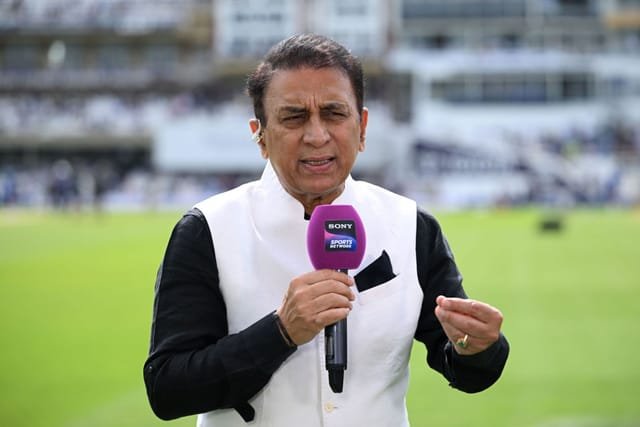
One of the latest debates features cricket legend Sunil Gavaskar, who selected his preferred India squad for the tournament, and former opener Aakash Chopra, who carefully evaluated every selection. Rather than simply agreeing with the list, Chopra analyzed the squad’s balance, versatility, and suitability for conditions expected during the 2027 World Cup before awarding it an impressive 8.5 out of 10.
The discussion provides valuable insight into how India’s squad could evolve over the next year and what selectors may prioritize when assembling a title-challenging team.
Sunil Gavaskar’s Proposed India Squad for ODI World Cup 2027
Gavaskar’s selection combines experienced match-winners with players who have established themselves across formats in recent seasons.
| Role | Players |
|---|---|
| Top-order batters | Shubman Gill, Rohit Sharma, Virat Kohli, Shreyas Iyer, KL Rahul |
| Additional batter/Wicketkeeper | Ishan Kishan |
| All-rounders | Hardik Pandya, Nitish Kumar Reddy, Axar Patel, Ravindra Jadeja |
| Fast bowlers | Jasprit Bumrah, Mohammed Siraj, Harshit Rana, Arshdeep Singh |
| Spinner | Kuldeep Yadav |
The squad blends proven performers with emerging talent while maintaining depth in every department.
Why Aakash Chopra Gave the Squad 8.5/10
Chopra’s biggest takeaway was the balance between batting, pace, spin, and all-round options.
He noted that the batting order remains largely unchanged from the combinations India has trusted in major ICC tournaments, reflecting confidence in players who have already performed under pressure.
Rather than introducing wholesale changes, Gavaskar’s squad builds around an experienced core while adding flexibility through multiple all-rounders.
“This looks like a balanced squad with players who can cover similar roles without weakening the team’s overall combination.”
The Strength of India’s All-Round Department
One area that particularly impressed Chopra was the all-round unit.
Hardik Pandya and Nitish Kumar Reddy provide right-handed batting alongside seam bowling, giving India valuable pace-bowling depth without sacrificing batting strength.
Meanwhile, Axar Patel and Ravindra Jadeja offer left-handed batting combined with reliable left-arm spin, creating excellent tactical flexibility.
This structure allows India to adjust its playing XI according to pitch conditions without dramatically altering team balance.
Why Similar Skill Sets Can Be an Advantage
Chopra highlighted that having players with comparable skill sets is not necessarily a weakness.
If injuries occur during a long ICC tournament, selectors can replace one player with another capable of performing a similar role, minimizing disruption to the team’s strategy.
Such depth becomes especially valuable during multi-week tournaments where workload management and fitness often influence selection decisions.
The Importance of a Left-Arm Fast Bowler
Among Gavaskar’s selections, Chopra particularly appreciated the inclusion of Arshdeep Singh.
Left-arm fast bowlers provide a different angle that can trouble right-handed batters and create greater tactical variety.
Historically, India’s left-arm seamers have enjoyed memorable performances in overseas conditions, particularly in South Africa, where pace and movement often play significant roles.
That historical success strengthens the argument for maintaining variety within India’s pace attack.
Fast Bowling Looks Well Covered
The pace attack proposed by Gavaskar features both experience and youth.
Jasprit Bumrah remains India’s strike bowler across formats, while Mohammed Siraj continues to provide consistency with the new ball.
Harshit Rana represents emerging pace talent capable of generating bounce and aggression, while Arshdeep adds left-arm variation that complements the right-arm options.
Together, the quartet offers flexibility across different match situations and playing conditions.
Experience Still Anchors the Batting Line-up
Perhaps the most notable aspect of Gavaskar’s squad is his continued faith in experienced batters.
Shubman Gill leads a batting unit that also includes Rohit Sharma, Virat Kohli, Shreyas Iyer, and KL Rahul—players who have featured prominently in India’s recent ICC campaigns.
The combination values stability, experience, and proven performance under pressure while maintaining enough depth to build substantial totals or chase challenging targets.
Comparing Gavaskar’s Squad With Ravi Shastri’s Selection
Chopra also evaluated former India head coach Ravi Shastri’s preferred World Cup squad, awarding it a slightly lower rating of 8 out of 10.
The primary difference between the two selections centered on the pace attack.
| Area | Sunil Gavaskar’s Squad | Ravi Shastri’s Squad |
|---|---|---|
| Left-arm pacer | Includes Arshdeep Singh | No specialist left-arm seamer |
| Pace attack | Balanced right and left-arm options | Entirely right-arm fast bowlers |
| Overall Rating by Aakash Chopra | 8.5/10 | 8/10 |
According to Chopra, that additional variation gives Gavaskar’s squad a tactical edge.
Can This Become India’s Actual World Cup Squad?
Although the tournament remains some time away, Chopra believes Gavaskar’s selection is remarkably close to what India’s final squad could look like.
However, plenty can change before the World Cup begins. Injuries, form, emerging young players, and performances in bilateral series could all influence the final selections.
Selectors will also monitor players’ fitness, workload, and adaptability to conditions expected during the tournament.
Key Questions Before the 2027 World Cup
- Can India’s experienced batting core maintain consistency over the next year?
- Will younger players force their way into contention with standout performances?
- Can the pace attack remain fully fit heading into the tournament?
- Will India’s all-round options continue delivering balance across formats?
These questions will shape the final squad far more than any early predictions.
Conclusion
Aakash Chopra’s assessment of Sunil Gavaskar’s proposed India squad offers an insightful look into what selectors may prioritize ahead of the 2027 ODI World Cup. By combining experienced batters, versatile all-rounders, a varied pace attack, and proven match-winners, Gavaskar has assembled a squad that Chopra believes closely resembles a realistic World Cup blueprint.
While plenty of cricket remains before the tournament begins, India’s core appears to be taking shape. The challenge over the coming months will be maintaining form, managing fitness, and identifying the final pieces needed to build a squad capable of competing for cricket’s biggest prize.
For breaking news and live news updates, like us on Facebook or follow us on Twitter and Instagram. Read more on Latest Cricket on thefoxdaily.com.






COMMENTS 0